
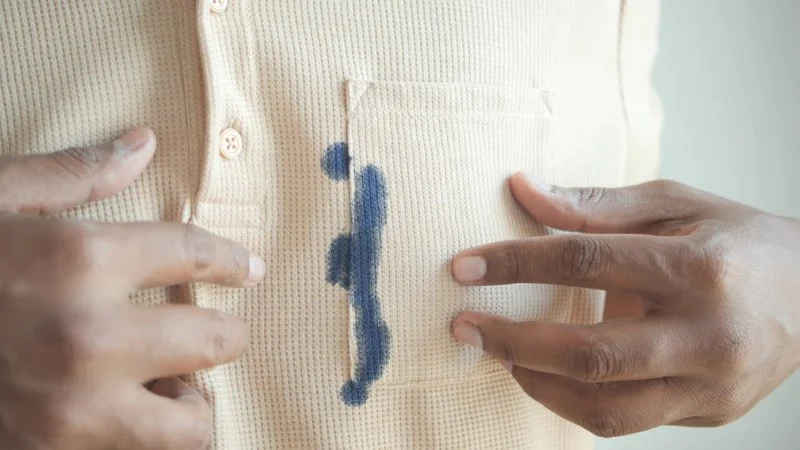
- understanding-ink-stains-on-synthetic-fabrics
- why-synthetic-fabrics-react-differently
- step-by-step-ink-stain-removal-process
- common-mistakes-to-avoid
- real-life-example-ink-stain-accident
- preventing-future-ink-stains
- when-to-seek-professional-help
Understanding Ink Stains on Synthetic Fabrics
Ink stains are one of the most frustrating types of stains, especially when they land on synthetic fabrics like polyester, nylon, or acrylic. These materials are widely used in everyday clothing due to their durability and affordability, but they also tend to hold onto ink pigments tightly.
To successfully remove ink stains from synthetic fabrics, it’s important to act quickly and use the right techniques. Unlike natural fibers, synthetic fabrics don’t absorb liquids in the same way, which means improper cleaning can actually spread the stain instead of removing it.
Why Synthetic Fabrics React Differently
Synthetic fabrics are made from petroleum-based fibers, which behave differently compared to cotton or wool. Understanding this difference helps you choose the right cleaning method.
1. Low Absorbency but Strong Surface Binding
Ink tends to sit on the surface of synthetic fibers but bonds tightly, making it stubborn to remove. This is why rubbing too aggressively can push the stain deeper.
2. Heat Sensitivity
High temperatures can set ink stains permanently on synthetic fabrics. Using hot water too early in the cleaning process is a common mistake that makes removal much harder.
3. Chemical Compatibility
Synthetic fabrics respond better to alcohol-based or solvent-based cleaners rather than heavy detergents alone, which often fail to break down ink properly.
Step-by-Step Ink Stain Removal Process
If you’re wondering how to remove ink stains from synthetic fabrics effectively, follow this structured approach:
1. Blot the Stain Immediately
As soon as the ink spill happens, gently blot the stain with a clean cloth or paper towel. Avoid rubbing, as this spreads the ink further across the fabric.
2. Apply Alcohol-Based Solution
Use rubbing alcohol or hand sanitizer and apply it directly onto the stain. Let it sit for a few minutes to break down the ink particles.
3. Dab Gently to Lift the Ink
Using a clean cloth, dab the area repeatedly. You should start to see the ink transferring from the fabric onto the cloth. Repeat this process until the stain fades significantly.
4. Rinse With Cold Water
Rinse the fabric under cold running water from the back side of the stain. This helps push the ink out rather than deeper into the fibers.
5. Wash With Mild Detergent
Wash the garment using a gentle detergent suitable for synthetic fabrics. Avoid hot water at this stage.
6. Air Dry and Inspect
Allow the fabric to air dry completely. Do not use a dryer until you are sure the stain is fully gone, as heat can permanently set any remaining ink.
Common Mistakes to Avoid
Even with the best intentions, many people make simple mistakes that worsen ink stains:
1. Using Hot Water Too Early
This can lock the stain into the fabric permanently, making removal nearly impossible.
2. Scrubbing Aggressively
Scrubbing spreads the stain and damages the fibers, especially in delicate synthetic blends.
3. Skipping the Pre-Treatment Step
Going straight to washing without treating the stain first often results in incomplete removal.
Real-Life Example: Ink Stain Accident
A college student in Colombo once shared how a leaking pen ruined his favorite polyester shirt just before an important presentation. Instead of panicking, he used hand sanitizer from his backpack, gently dabbed the stain, and followed up with a cold rinse later at home. The result? The shirt was saved, and the stain was barely noticeable.
This simple story highlights how knowing the right method at the right moment can make all the difference.
Preventing Future Ink Stains
While accidents happen, a few smart habits can reduce the chances of ink stains on synthetic fabrics:
1. Check Pockets Before Washing
Always inspect clothing for pens before placing them in the washing machine.
2. Use Pen Cases or Holders
Keeping pens stored properly reduces the risk of leaks in bags or pockets.
3. Choose Stain-Resistant Fabrics
Some modern synthetic fabrics come with stain-resistant coatings, making them easier to maintain.
When to Seek Professional Help
If the ink stain is large, old, or resistant to home remedies, professional cleaning services may be the best option. Experts have specialized solvents and techniques that can remove stubborn stains without damaging the fabric.
For reliable and effective solutions, you can explore services from Sigiri Laundry, where professional care ensures your garments are treated safely and thoroughly.


 Senanayaka2.0 (17 reviews)
 Colombo Cleaners4.0 (18 reviews)
 land sale4.0 (1 reviews)
 Clean Wash Laundry Service3.0 (9 reviews)
 Wash Hub Professional Laundry Service4.0 (55 reviews)
 Yogan stores & Laundry Service4.0 (43 reviews)
 Tips for Removing Berry Stains From Cotton Pants Quickly
 How to Wash Denim Without Losing Color or Fit
 How to Remove Oil Stains From Cotton Shirts Quickly
 How to Wash Cotton Shirts to Keep Them Crisp and Fresh
 Clever Hacks for Washing Cotton Towels Softly and Safely
 How to Remove Chocolate Stains From Polyester Pants