
- Understanding-Cotton-Towel-Fibers-and-Why-They-Need-Gentle-Care
- Smart-Washing-Methods-That-Keep-Towels-Soft
- Common-Mistakes-That-Make-Towels-Rough
- Natural-Tricks-Used-in-Home-Laundry-Routines
- Real-Life-Laundry-Stories-and-Practical-Lessons
- Choosing-the-Right-Laundry-Products-and-Services
Understanding Cotton Towel Fibers and Why They Need Gentle Care
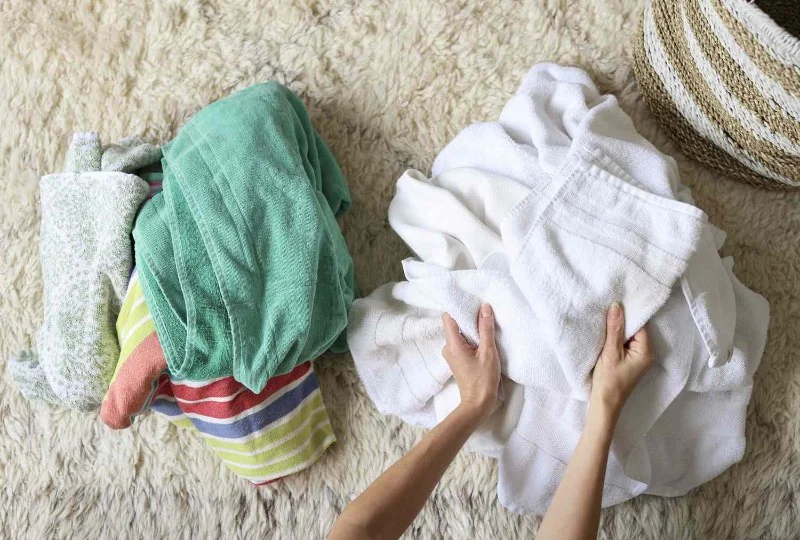
Cotton towels are a daily essential in most households across Sri Lanka. From early morning showers to late-night face washing routines, these simple pieces of fabric quietly support our hygiene and comfort. However, many people notice that after a few washes, their once-fluffy cotton towels start to feel stiff or rough.
This problem usually begins with a misunderstanding of how cotton fibers work.
Kunam Loundry service
No 31 lotus park road, aless garden, Trincomalee, Sri Lanka
1. The Structure of Cotton Fibers
Cotton is a natural fiber made of cellulose. Each thread contains tiny loops designed to absorb moisture efficiently. These loops are what make towels soft and highly absorbent.
When washed incorrectly, detergent residue, minerals in hard water, or excessive heat can flatten these loops. Once that happens, towels lose their softness and absorbency.

2. Climate Factors in Sri Lanka
Humidity plays a surprisingly important role in towel care. In coastal regions such as Colombo or Galle, moisture in the air can cause towels to dry more slowly. Slow drying can lead to trapped detergent residue or musty smells.
Because of this, proper washing cotton towels requires slightly different care routines compared with colder or drier countries.
3. The Balance Between Clean and Gentle
Many people assume that stronger detergent or hotter water will clean towels better. In reality, over-washing and harsh chemicals often damage cotton fibers.
The real goal should be maintaining the structure of the cotton loops while removing dirt, oils, and bacteria safely.
Smart Washing Methods That Keep Towels Soft
Keeping towels soft does not require expensive machines or complicated laundry routines. In fact, many of the best techniques are simple habits practiced by experienced home launders.
1. Separate Towels from Other Laundry
Cotton towels should always be washed separately from clothing. Mixing them with synthetic fabrics such as polyester can create friction during the wash cycle.
This friction weakens the cotton fibers and leads to faster wear.
2. Use the Right Amount of Detergent
One of the biggest mistakes in washing cotton towels is using too much detergent.
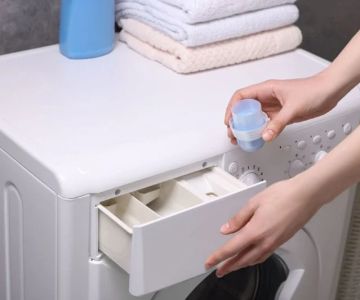
Excess detergent does not rinse away completely. Instead, it builds up inside the fibers and makes towels stiff. A smaller amount of detergent combined with a thorough rinse cycle is usually far more effective.
3. Choose Warm Water Instead of Hot
Warm water is ideal for cleaning towels because it removes oils and dirt without damaging the cotton structure. Extremely hot water can shrink fibers and reduce softness.
For households washing towels frequently, warm water offers the best balance between hygiene and fabric protection.
4. Avoid Fabric Softener
This advice often surprises people.
Fabric softeners coat cotton fibers with a thin layer of chemicals. While this initially feels smooth, it actually blocks the towel’s ability to absorb water.
Over time, towels washed with fabric softener become less effective and may develop unpleasant odors.
Common Mistakes That Make Towels Rough
Even careful households unknowingly damage their towels through everyday laundry habits.
1. Overloading the Washing Machine
When the machine is too full, towels cannot move freely. This prevents proper rinsing and leaves detergent trapped inside the fibers.
A loosely filled drum allows water to circulate properly and clean the fabric more effectively.
2. Skipping the Second Rinse
In humid regions, detergent residue becomes a bigger issue. A second rinse cycle helps remove leftover soap and minerals.
This small adjustment alone can noticeably improve towel softness.
3. Drying Towels Incorrectly
Some households leave towels indoors for long periods after washing. Without proper airflow, cotton fibers remain compressed.
Outdoor drying under gentle sunlight helps towels regain their natural fluffiness while also eliminating bacteria.
Natural Tricks Used in Home Laundry Routines
Long before modern detergents became popular, families relied on natural cleaning methods. Interestingly, many of these traditional techniques are still highly effective today.
1. Vinegar Rinse for Removing Detergent Residue
A small amount of white vinegar added during the rinse cycle helps dissolve soap buildup inside cotton fibers.
The vinegar smell disappears completely after drying, leaving towels noticeably softer.
2. Baking Soda for Deep Cleaning
Baking soda works as a natural deodorizer and mineral remover. When used occasionally in the wash cycle, it helps restore old towels that have become stiff over time.
This method is especially useful for households dealing with hard water.
3. Sunlight as a Natural Disinfectant
In Sri Lanka, sunlight is a powerful and free laundry tool. Gentle sun exposure helps eliminate bacteria while maintaining fabric freshness.
However, extremely long exposure under harsh midday sun can fade colored towels, so timing matters.
Real-Life Laundry Stories and Practical Lessons
Sometimes the best lessons come from everyday experiences.
A small guesthouse owner in Kandy once shared a common challenge: their towels felt rough despite being washed daily. Guests occasionally mentioned that the towels did not feel as comfortable as expected.
1. Identifying the Real Problem
After reviewing the washing routine, the issue turned out to be simple. Staff members were using large amounts of detergent, believing it would keep the towels extra clean.
Instead, the detergent buildup was damaging the fibers.
2. A Small Adjustment with Big Results
Once the guesthouse reduced detergent usage and added an extra rinse cycle, the towels became softer within a few weeks.
This small change also reduced laundry costs and extended the lifespan of their towels.
Stories like this demonstrate that proper cotton towel care is less about expensive equipment and more about understanding fabric behavior.
Choosing the Right Laundry Products and Services
While home washing works well for most families, there are times when professional laundry solutions can help maintain fabric quality.
1. Selecting Gentle Laundry Products
When purchasing detergents, look for formulas designed for cotton fabrics. Mild detergents clean effectively without damaging fibers.
Products that leave minimal residue are particularly useful in humid environments.
2. Professional Laundry Support
Hotels, guesthouses, and busy households often rely on professional laundry providers to maintain consistent towel quality.
Reliable services use commercial machines, balanced detergents, and proper drying techniques to keep cotton towels soft and hygienic.
Many people across Sri Lanka explore laundry solutions through Sigiri Laundry, where they can find suitable cleaning products, towel care advice, and services tailored for maintaining cotton fabrics.
3. Building a Sustainable Laundry Routine
Proper towel washing is not just about comfort. It also reduces fabric waste and saves money over time.
By using the right washing methods, reducing chemical buildup, and maintaining healthy cotton fibers, households can keep their towels soft, safe, and long-lasting.
In the end, caring for towels is a small daily habit that makes a noticeable difference in everyday comfort.


 LOTUS LAUNDRY CHEMICALS5.0 (1 reviews)
 Vishlight detergent5.0 (1 reviews)
 Colombo Cleaners4.0 (18 reviews)
 Seya Laundry Mart5.0 (1 reviews)
 Yogan stores & Laundry Service4.0 (43 reviews)
 Romantic laundry outlet5.0 (1 reviews)
 How to Wash Curtains Without Shrinking or Wrinkling Them
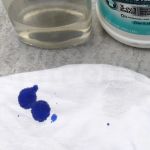 How to Remove Ink Stains From Cotton Clothing at Home
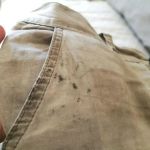 How to Remove Oil Stains From Cotton Pants
 How to Wash Clothes to Avoid Pilling on Soft Fabrics
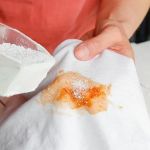 Easy Hacks to Remove Tomato Sauce Stains From White Cotton
 How to Remove Red Wine Stains From Dark Fabrics