
- 1. Why Sorting Laundry is Important
- 2. Types of Clothes to Sort for Washing
- 3. Steps to Avoid Color Bleeding
- 4. Common Mistakes to Avoid When Sorting Laundry
- 5. Real-Life Case Study: Avoiding Color Bleeding in Laundry
1. Why Sorting Laundry is Important
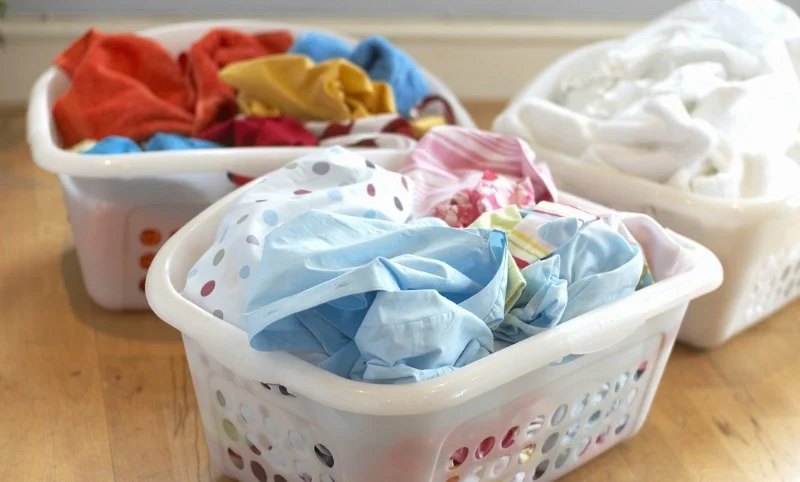
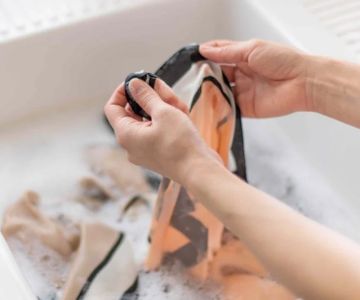
Sorting laundry is one of the most important steps in maintaining the quality of your clothes. Many people overlook this step, thinking it’s not necessary, but improperly sorting clothes can lead to disastrous results. One of the most common issues is color bleeding, where dyes from one piece of clothing transfer to others, leaving stains or discoloration.
Proper sorting ensures that you wash clothes of similar colors and fabric types together, minimizing the chances of damage. By separating your laundry correctly, you not only protect your clothing but also increase the longevity of the fabrics and keep colors looking fresh.
2. Types of Clothes to Sort for Washing
To avoid color bleeding and other laundry mishaps, it’s essential to sort your clothes based on a few key factors: color, fabric type, and washing instructions.
Kunam Loundry service
No 31 lotus park road, aless garden, Trincomalee, Sri Lanka
2.1 Color Sorting
The most important factor in avoiding color bleeding is separating your laundry by color. Here’s how to sort:
- Light Colors: Whites and pastels should be washed together. Light-colored clothes are less likely to bleed, but it's still important to avoid mixing them with darker colors.
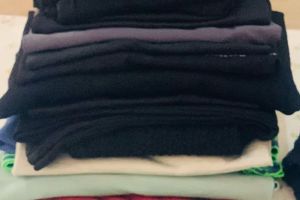
- Dark Colors: Dark clothing like black, navy, and deep reds should be washed together. These clothes are more prone to color bleeding, so it’s essential to keep them separate.
- Bright Colors: Bright colors, including reds, oranges, and greens, should be washed separately from whites or lighter fabrics. These colors are more likely to bleed onto other clothing.
2.2 Fabric Type Sorting
Sorting by fabric type is another essential part of laundry organization. Different fabrics require different washing conditions to prevent damage or poor cleaning results.
- Delicates: Wash delicate fabrics, such as silk and lace, separately in a mesh bag or on a gentle cycle to prevent damage.
- Heavy Fabrics: Towels, blankets, and jeans should be washed separately from lighter fabrics to ensure they get cleaned properly without overloading the washer.
2.3 Washing Instructions
Always check the care labels on your clothes before washing. Some fabrics require cold water, while others are fine with warm or hot water. Similarly, some items may need to be air-dried, while others can go in the dryer. Sorting based on washing instructions helps preserve your clothes.
3. Steps to Avoid Color Bleeding
Avoiding color bleeding during laundry isn’t just about sorting your clothes. There are additional steps you can take to protect your garments from damage.
3.1 Use Cold Water
Washing clothes in cold water is a simple yet effective way to prevent color bleeding. Cold water helps prevent dyes from running, especially with new clothes or those made of delicate fabrics.
3.2 Consider Using Color Catchers
Color catchers are sheets that you can add to your laundry to absorb any loose dye during the wash cycle. These are especially useful if you accidentally mix light and dark clothes, as they trap dye and prevent it from staining other items.
3.3 Wash New Clothes Separately
New clothes, especially brightly colored or dark garments, are more likely to bleed. It’s a good idea to wash them separately for the first few washes, or at least until you’re sure the color is set.
3.4 Turn Clothes Inside Out
Turning your clothes inside out helps minimize friction and reduces the likelihood of color bleeding. This is especially important for garments with bright colors or printed designs.
4. Common Mistakes to Avoid When Sorting Laundry
While sorting laundry is essential, there are some common mistakes that people make that can still lead to color bleeding or other laundry mishaps. Here are a few things to avoid:
4.1 Overloading the Washing Machine
Overloading your washing machine can cause clothes to rub together too much, increasing the risk of color bleeding. It’s important to give your clothes enough space to move freely for a proper wash.
4.2 Ignoring Care Labels
Ignoring the care labels on your clothes can lead to unnecessary damage. Always check the washing instructions before throwing your clothes in the washer to ensure they’re being cleaned under the right conditions.
4.3 Mixing Too Many Fabrics
Mixing heavy fabrics like towels with lightweight fabrics like t-shirts can cause an uneven wash. Heavy items may not get cleaned properly, and lighter items may become stretched or damaged.
5. Real-Life Case Study: Avoiding Color Bleeding in Laundry
A recent customer, Sarah, shared her experience of dealing with color bleeding in her laundry. She had a favorite red shirt that accidentally bled onto her white towels during the wash. After seeking advice, Sarah started sorting her laundry based on color and fabric type, and she began using a color catcher in every load. As a result, her laundry became much more organized, and she no longer had issues with color bleeding.
If you’re experiencing similar problems, consider implementing these sorting methods to avoid color bleeding and keep your clothes looking fresh. You can also check out Sigiri Laundry for laundry services and products to help you maintain your clothes in great condition.




 LAUNDERETTE BY DOBI MASTER4.0 (371 reviews)
 Laundry4.0 (20 reviews)
 Rajarata Washing Industries (Pvt) Ltd5.0 (3 reviews)
 The laundry room2.0 (7 reviews)
 Nilaveli Laundry Service5.0 (5 reviews)
 Laundry service3.0 (3 reviews)
 How to Wash Towels Without Leaving Lint
 Quick Ways to Remove Oil Stains From Wool Sweaters
 How to Wash Workout Clothes Without Retaining Smell
 How to Keep Black Clothes From Fading After Washing
 How to Remove Coffee Stains From Dark Fabrics
 How to Wash Hoodies Without Causing Color Fading