
Understanding the Annoying Stickiness: Why Clothes Feel Sticky After Drying
- -Causes-of-Stickiness-#Causes-of-Stickiness
- -Effect-of-Washing-Machines-#Effect-of-Washing-Machines
- -Role-of-Detergents-and-Softeners-#Role-of-Detergents-and-Softeners
- -Environmental-Factors-#Environmental-Factors
- -Practical-Solutions-#Practical-Solutions
- -Preventive-Care-Tips-#Preventive-Care-Tips
- -Personal-Experience-and-Story-#Personal-Experience-and-Story
1. Causes of Clothes Feeling Sticky After Drying
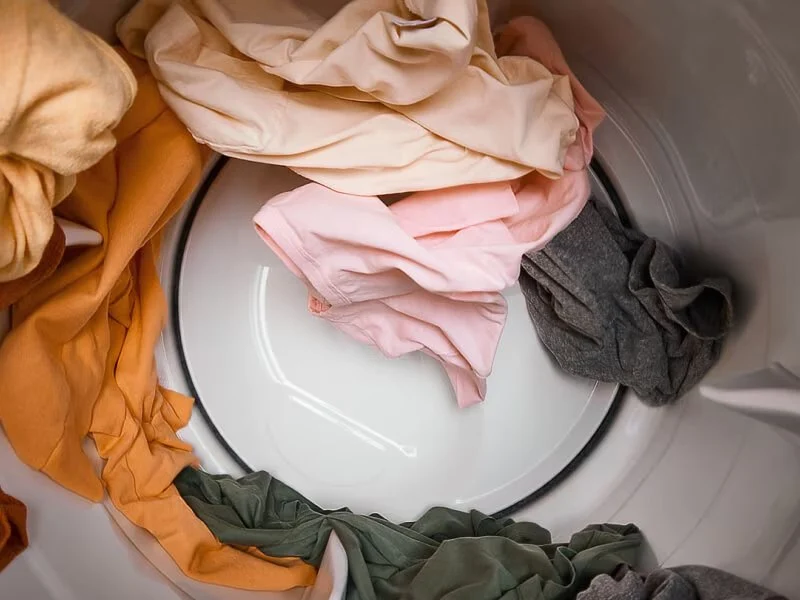
Many people encounter the frustrating sensation of sticky clothing after laundry. This often happens when residual detergent, fabric softener, or minerals in the water create a thin film on fabrics. Over time, repeated washing with high detergent levels or hard water can cause fabrics to cling uncomfortably to your skin. Sticky clothes are not just uncomfortable—they can also accelerate wear and tear on delicate fibers.
1.1 Residual Detergent Build-Up
Detergents are designed to remove dirt, but if not fully rinsed, they leave behind a sticky residue. This residue is especially noticeable on synthetic fabrics like polyester or blends. Users often report that even after drying, the clothing feels like it is coated in a faint layer of soap.
1.2 Hard Water Minerals
High levels of calcium and magnesium in water interact with detergents, forming insoluble deposits. These deposits cling to the fabric, resulting in a rough or sticky sensation. Many households with hard water notice this effect more prominently during summer months when sweating increases awareness of sticky fabrics.
2. How Washing Machines Contribute to Stickiness
Modern washing machines are convenient, but they can sometimes worsen sticky fabrics. Overloading machines prevents thorough rinsing, leaving detergent trapped in clothing. In addition, certain washing cycles may not provide enough water for effective cleaning.
2.1 Overloaded Washers
When the drum is packed tightly, clothes don’t get sufficient movement, meaning residues aren’t fully flushed away. The result is sticky surfaces and even uneven drying.
2.2 High-Efficiency Machines
High-efficiency washers use less water, which is environmentally friendly but sometimes insufficient for removing detergent thoroughly, particularly in areas with hard water. This combination can leave fabrics feeling tacky after drying.
3. Role of Detergents and Fabric Softeners
Detergent choice and fabric softeners play a critical role. Liquid detergents often rinse out more cleanly than powders, but using too much softener can create a waxy film that attracts dust and feels sticky. Understanding the right amount and type of laundry product is key.
3.1 Using Appropriate Detergent
Experts recommend using detergents suitable for your water type and fabric. For instance, high-efficiency liquid detergents for low-water machines minimize residue buildup.
3.2 Fabric Softeners: Friend or Foe?
Softener can improve texture but excessive use leaves a coating that may become sticky when mixed with dust or body oils. Alternative solutions like vinegar rinses can soften fabrics without the sticky effect.
4. Environmental Factors That Affect Fabric Texture
Humidity, drying conditions, and ambient air quality can make sticky clothes more noticeable. Clothes dried indoors in a poorly ventilated room or under direct sunlight in polluted air may retain a sticky feel due to lingering moisture and dust.
5. Practical Solutions to Eliminate Stickiness
5.1 Proper Rinsing Techniques
Double-rinse cycles or adding extra water during the final rinse helps wash away leftover detergent and minerals. For high-efficiency washers, consider an extra rinse to ensure all residues are removed.
5.2 Vinegar or Baking Soda Rinse
Adding half a cup of white vinegar or baking soda in the rinse cycle neutralizes detergent residue and softens fabrics naturally, reducing the sticky sensation.
5.3 Air Drying in Optimal Conditions
Dry clothes in well-ventilated spaces to allow moisture and detergent residue to evaporate. Avoid high humidity indoors which can make fabrics cling to the skin.
6. Preventive Care Tips for Softer, Residue-Free Clothes
- Use the recommended amount of detergent.
- Choose appropriate washing cycles for fabric type.
- Rinse twice if you have hard water.
- Consider softener alternatives like vinegar for sensitive skin.
- Maintain your washing machine to avoid residue buildup.
7. Personal Experience: From Sticky Frustration to Smooth Comfort
A friend once complained that her favorite polyester shirts always felt sticky after drying, despite following washing instructions. After switching to a liquid detergent, adding a vinegar rinse, and adjusting her washing load, the stickiness disappeared completely. Her experience highlights how small changes can dramatically improve comfort and garment longevity. If you’re struggling with the same issue, trying these steps might make a huge difference.
For those eager to make laundry less frustrating, exploring high-quality detergents and softener alternatives can be transformative. Discover more about products designed to prevent clothes from feeling sticky after drying and keep your fabrics soft, fresh, and comfortable.






 Colombo Cleaners4.0 (18 reviews)
 Super Clean Laundry Services4.0 (48 reviews)
 Sigiri Super Shine Laundry5.0 (6 reviews)
 Jashvin’s Laundry Service4.0 (91 reviews)
 Yogan stores & Laundry Service4.0 (43 reviews)
 Sun Shine Laundry3.0 (12 reviews)
 How to Wash Silk Blouses Without Stretching the Fabric
 How to Wash Gym Clothes to Remove Sweat and Odor Forever
 How to Remove Red Wine Stains From Upholstery: Effective Cleaning Methods
 What’s the Best Way to Sort Laundry to Avoid Color Bleeding
 How to Wash Kids’ Uniforms So They Stay Bright
 Laundry Mistakes You Didn't Realize You're Making