
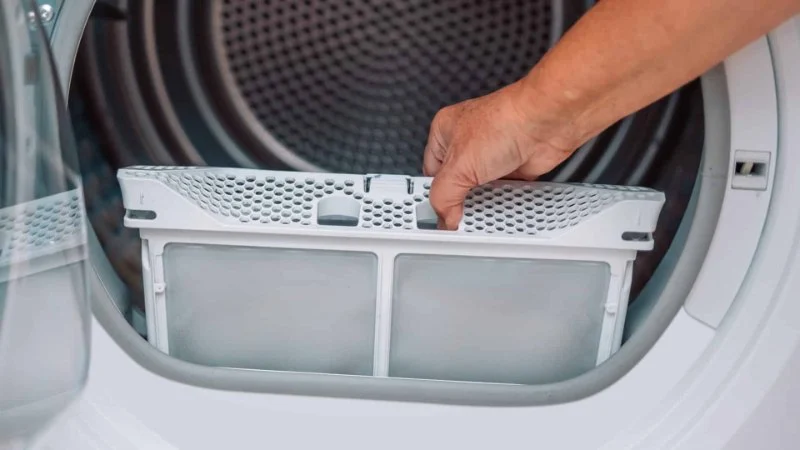
Why Proper Airflow is Crucial for Your Laundry
- 1 - Understanding Laundry Airflow and Its Importance
- 2 - Common Airflow Problems in Home Laundry
- 3 - Practical Tips to Improve Airflow and Drying Efficiency
- 4 - Preventing Mold and Lingering Odors
- 5 - Real-Life Examples and Recommendations
1. Understanding Laundry Airflow and Its Importance
1.1 The Science Behind Drying
Airflow plays a vital role in drying laundry efficiently. Proper ventilation allows warm, moist air to escape while circulating dry air around fabrics. Without adequate airflow, clothes remain damp longer, which can lead to unpleasant odors and even mildew growth.
1.2 Impact on Dryer Performance
A dryer without sufficient airflow works harder to remove moisture, consuming more energy and potentially shortening the appliance’s lifespan. Improving ventilation ensures your dryer operates efficiently, saving time and energy costs.
2. Common Airflow Problems in Home Laundry
2.1 Blocked or Kinked Dryer Vents
Many households suffer from blocked dryer vents due to lint buildup or vent pipe kinks. This restriction drastically reduces airflow, slowing drying times and increasing the risk of overheating.
2.2 Poor Laundry Room Ventilation
Bathrooms, basements, and small laundry spaces often lack proper ventilation. Without a source of fresh air, humidity accumulates, making laundry drying inefficient and encouraging mold growth.
3. Practical Tips to Improve Airflow and Drying Efficiency
3.1 Clean and Maintain Dryer Vents Regularly
Ensure lint screens are cleaned after every load and inspect vent pipes for blockages. For optimal airflow, schedule a professional vent cleaning annually.
3.2 Enhance Room Ventilation
Use exhaust fans, open windows, or add a small circulating fan to increase airflow in your laundry area. This simple step accelerates drying and reduces humidity levels.
3.3 Avoid Overloading Appliances
Overloading your washer or dryer restricts airflow between clothes. Load items in smaller batches to ensure every garment dries evenly and efficiently.
4. Preventing Mold and Lingering Odors
4.1 Dry Clothes Promptly
Leaving wet laundry in the washer or dryer for extended periods encourages bacterial growth. Prompt drying reduces the risk of mold and keeps fabrics fresh.
4.2 Store Laundry in Well-Ventilated Areas
After drying, store clothes in spaces with adequate air circulation. Avoid tightly packed closets or damp areas to maintain freshness and prevent musty odors.
5. Real-Life Examples and Recommendations
One homeowner noticed that their laundry consistently smelled musty and took hours to dry. By cleaning the dryer vent, adding a small fan, and reducing load sizes, they restored proper airflow and cut drying times in half. For comprehensive guides, tools, and professional recommendations, Reliable Laundry Solutions provides expert advice to ensure your laundry room maintains proper airflow and optimal drying performance.





 Thambuttegama Laundry5.0 (2 reviews)
 Wash Master4.0 (69 reviews)
 Crystal linen laundry servise5.0 (19 reviews)
 Kishanthy Laundry3.0 (3 reviews)
 Jashvin’s Laundry Service4.0 (91 reviews)
 Sarurshiya0.0 (0 reviews)
 Clothes Not Drying Even After Hours? Try This Practical Solution
 Quick Ways to Remove Oil Stains From Wool Sweaters
 Effective Ways to Remove Yellow Stains from White Clothes | BrightCare Tips
 Tips for Removing Berry Stains From Cotton Pants Quickly
 How to Wash Clothes With Delicate Lace Trim
 How to Wash Kids’ Uniforms So They Stay Bright