
1. Understanding Fabric Pilling and Why It Happens
Pilling is a common issue, especially for soft fabrics like cotton, wool, and synthetic blends. Over time, you might notice small, fuzzy balls forming on the surface of your clothes, which can be unsightly and damaging to the fabric. But why does this happen?
When clothes rub against rough surfaces or each other during washing, the fibers loosen and form small balls, or "pills". This is particularly common in fabrics made of shorter fibers or materials like fleece, knitwear, or flannel. The good news is that with proper care and washing techniques, you can avoid or significantly reduce pilling.

2. Best Washing Practices for Soft Fabrics
To prevent pilling and keep your clothes looking their best, it's important to adopt the right washing habits. Here are some essential tips:

2.1. Turn Clothes Inside Out
One of the easiest and most effective ways to prevent pilling is to turn your clothes inside out before washing them. This reduces the friction between the fabric's exterior and the washer drum, minimizing the chances of fibers loosening and forming pills.
2.2. Use a Gentle Cycle
Washing your clothes on a gentle cycle with cold water helps protect delicate fabrics from the intense agitation of a normal cycle. The gentle wash cycle uses slower spins and reduced friction, which reduces the likelihood of pilling.
2.3. Use a Mesh Laundry Bag
A mesh laundry bag can provide extra protection for your soft fabrics. It reduces friction between clothes and also helps prevent garments from rubbing against each other. For particularly delicate items like wool sweaters or silk blouses, a mesh bag is highly recommended.
2.4. Avoid Overloading the Washing Machine
Overloading your washing machine may seem like an easy way to save time, but it actually increases the chances of your clothes rubbing against each other, causing more friction. This friction leads to fiber damage and ultimately pilling. Always follow your machine's load capacity for optimal results.
2.5. Choose a Mild Detergent
Using a mild detergent is crucial for preserving the integrity of your fabrics. Harsh detergents or bleach can weaken fibers, making them more susceptible to pilling. Choose a gentle detergent designed for delicate fabrics to maintain the softness and appearance of your clothes.
3. Drying Techniques to Prevent Pilling
Proper drying techniques are just as important as washing when it comes to preventing pilling. The way you dry your clothes can significantly impact the longevity and smoothness of soft fabrics.
3.1. Air Dry When Possible
Air drying is the gentlest method for drying soft fabrics. It reduces friction and prevents the heat from a dryer from causing further damage to delicate fibers. Hang your clothes on a clothesline or lay them flat to air dry, and avoid wringing or twisting them to retain their shape.
3.2. Use the Lowest Heat Setting in a Dryer
If you must use a dryer, always choose the lowest heat setting. High heat can damage fabrics and cause them to pill more easily. For soft fabrics like cotton or polyester, using a tumble dry setting on low heat will prevent unnecessary wear and tear.
3.3. Avoid Fabric Softener
While fabric softeners may seem like a good way to keep clothes feeling soft, they can actually cause more harm than good when it comes to pilling. Fabric softeners can leave a residue on the fabric that attracts dirt and increases the likelihood of pilling. Skip the fabric softener, and opt for natural alternatives like vinegar if you want to soften your clothes.
4. Extra Tips for Special Fabrics
Some fabrics require additional care to prevent pilling. Here's how you can handle these specific materials:
4.1. Wool and Cashmere
Wool and cashmere are particularly prone to pilling due to their delicate fibers. To prevent this, always hand wash wool garments or use the delicate cycle on your machine with cold water. After washing, reshape them and dry flat to avoid stretching or pilling.
4.2. Fleece and Polar Fleece
Fleece fabric can pill easily due to its synthetic fibers. Always wash fleece items separately from other clothes, and avoid using fabric softeners. Dry them in a low-heat tumble dryer or air dry to maintain their texture and prevent pilling.
4.3. Knitted Fabrics
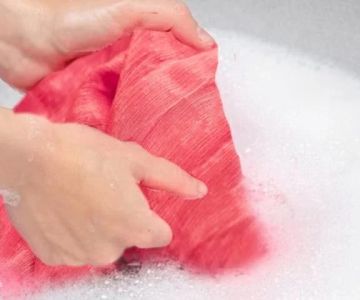
Knitted fabrics, such as cardigans and sweaters, are more susceptible to pilling because of their looped structure. Hand wash or use a mesh bag for knitted garments, and always air dry them to reduce the risk of pilling.
5. When Pilling Happens: How to Handle It
Despite your best efforts, sometimes pilling is inevitable. However, there are ways to fix it:
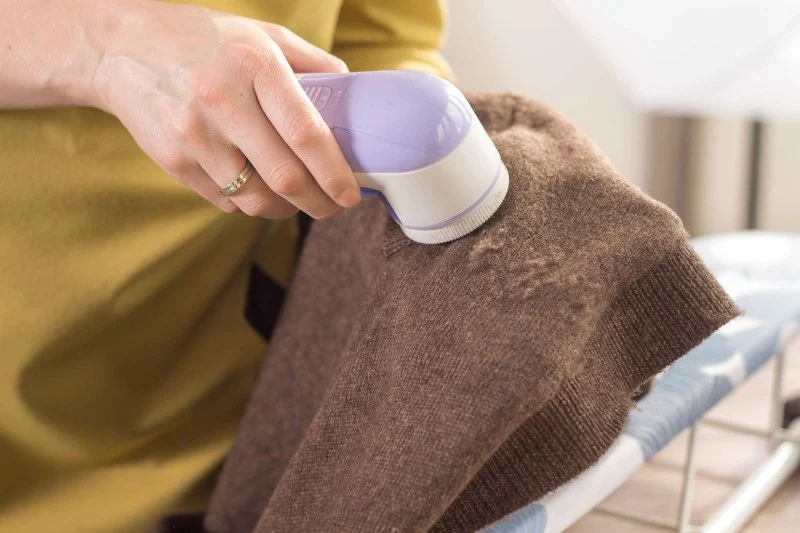
- Fabric Shaver: A fabric shaver is an easy tool to remove pills from your clothes. Simply run the shaver over the fabric to remove pills without damaging the garment.
- Pumice Stone: A pumice stone can also be used to gently rub away pilled fibers from soft fabrics. Make sure to test it on a small area first to avoid damage.
- Clothing Comb: A clothing comb can help remove pills from knitted fabrics by gently combing the surface to pull off the excess fibers.
6. Conclusion: Keep Your Soft Fabrics Looking Great
By following these washing and drying techniques, you can prevent pilling on your soft fabrics and ensure that your clothes stay looking smooth and fresh. Remember, the right care can prolong the life of your garments, saving you time and money in the long run. For more laundry tips and top-quality laundry services in Sri Lanka, visit Sigiri Laundry – your go-to source for all your laundry needs.


 Spin and Shine Laundry2.0 (5 reviews)
 University Laundry0.0 (0 reviews)
 Spin & Dry Laundry4.0 (12 reviews)
 Wash Master4.0 (69 reviews)
 Laundry service3.0 (3 reviews)
 FASHION DRY CLEAN - LAUNDRY MART4.0 (1 reviews)
 Proven Methods to Remove Red Wine Stains From Dark Fabrics Efficiently
 How to Remove Oil Stains From Wool Sweaters: Easy and Effective Methods
 Quick Ideas to Remove Red Wine Stains From Cotton Shirts
 How to Keep Black Clothes From Fading After Washing
 How to Wash Silk Scarves Without Fraying
 What’s the Best Way to Sort Laundry to Avoid Color Bleeding