
- -Why-Red-Wine-Stains-Are-So-Difficult-to-Remove
- -What-to-Do-Immediately-After-a-Wine-Spill
- -Safe-Methods-for-Removing-Stains-from-Dark-Fabrics
- -Common-Mistakes-That-Make-Wine-Stains-Worse
- -Real-Life-Laundry-Stories-and-Lessons
- -When-Professional-Laundry-Services-Are-the-Best-Option
- -How-to-Protect-Dark-Clothing-from-Future-Stains
1. Why Red Wine Stains Are So Difficult to Remove
1.1 The Chemistry Behind Red Wine Stains
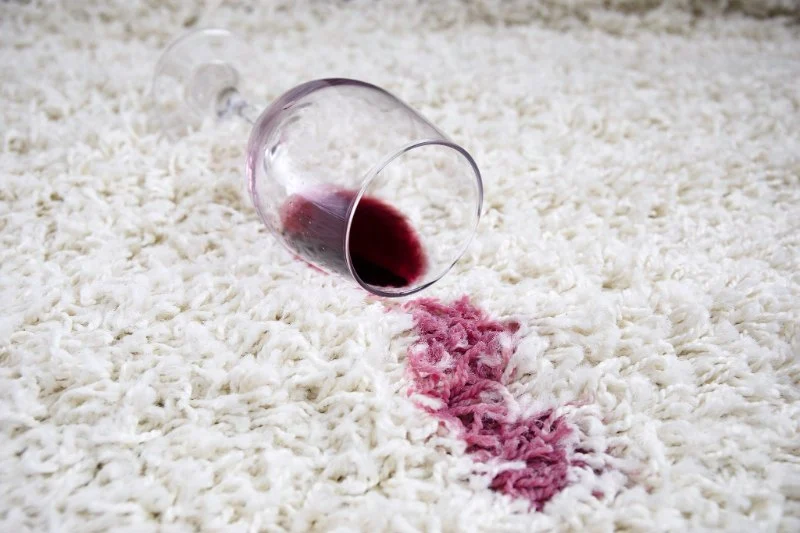
Red wine stains can be particularly stubborn, especially when they land on dark fabrics. The pigments in red wine come from compounds called anthocyanins, which easily bind to textile fibers. Once the liquid soaks into the fabric, the color particles settle deep within the material, making the stain difficult to remove.
Unlike simple beverage spills such as tea or juice, red wine contains both natural dyes and tannins. These compounds react quickly with fabric fibers and can set permanently if not treated properly.

1.2 Why Dark Fabrics Require Special Care
Many people assume stains are easier to hide on dark clothing. In reality, red wine can still leave visible patches or faded areas if treated incorrectly. Harsh cleaning chemicals may remove the stain but also damage the original color of the fabric.
This is why proper cleaning techniques are especially important for dark garments such as navy dresses, black shirts, or dark evening wear.

1.3 A Situation Many People Experience
Imagine attending a dinner gathering or wedding reception where a glass of red wine accidentally spills onto a dark outfit. At first, the stain might look minor. However, if it dries before being treated, it becomes much harder to remove later.
Laundry professionals often note that most stain problems occur not because the spill was severe, but because the cleaning steps were delayed or done incorrectly.
2. What to Do Immediately After a Wine Spill
2.1 Act Quickly Before the Stain Sets
The first rule when dealing with red wine stains on dark fabrics is to act quickly. Fresh stains are much easier to treat than dried ones. As soon as the spill occurs, gently blot the area with a clean cloth or paper towel.
2.1.1 Avoid Rubbing the Fabric
Rubbing spreads the stain deeper into the fibers and increases the affected area. Instead, gently press the cloth against the stain to absorb as much liquid as possible.
2.2 Use Cold Water First
Cold water helps dilute the wine pigments without setting the stain further. Carefully rinse the stained area from the backside of the fabric to push the stain out of the fibers.
2.2.1 Why Hot Water Should Be Avoided
Hot water can cause the wine pigments to bond more strongly with the fabric. This may make the stain permanent, especially on delicate materials.
2.3 Apply Mild Cleaning Agents
If available, apply a small amount of mild laundry detergent or stain remover. Gently work it into the stained area using your fingers or a soft cloth.
3. Safe Methods for Removing Stains from Dark Fabrics
3.1 Using Salt to Absorb the Stain
Salt is a traditional stain removal technique often recommended for red wine spills. Sprinkling salt over a fresh stain helps absorb moisture and draw the wine pigments away from the fabric fibers.
3.1.1 How the Salt Method Works
1. Blot excess wine from the fabric.
2. Sprinkle a generous layer of salt over the damp stain.
3. Allow it to sit for several minutes.
4. Brush away the salt and rinse the fabric with cold water.
3.2 Baking Soda Paste Treatment
Another gentle method involves mixing baking soda with a small amount of water to create a paste. This paste can be applied to the stain and left to sit before rinsing.
3.2.1 Why This Method Is Suitable for Dark Clothing
Baking soda is less likely to bleach or discolor dark fabrics compared to stronger chemical cleaners.
3.3 Vinegar and Detergent Combination
White vinegar can help break down wine pigments while neutralizing odors. When combined with a small amount of laundry detergent, it can be effective for treating deeper stains.
4. Common Mistakes That Make Wine Stains Worse
4.1 Waiting Too Long to Treat the Stain
One of the most common mistakes people make is waiting until the next day to clean the garment. By then, the stain has already set into the fibers.
4.2 Using Strong Bleach on Dark Fabrics
Bleach is often used to remove stains, but it can permanently damage dark clothing. Instead of removing the wine mark, bleach may leave a lighter patch that cannot be reversed.
4.3 Over-Scrubbing the Fabric
Scrubbing aggressively may damage delicate materials such as silk or synthetic blends. Gentle cleaning methods preserve the fabric’s structure and color.
5. Real-Life Laundry Stories and Lessons
5.1 A Wedding Reception Mishap
A common scenario shared by many laundry professionals involves formal events. One guest at a wedding spilled red wine on a dark evening dress. Initially, she tried to wipe it off with a napkin, which only spread the stain further.
Later, a professional cleaner successfully removed the stain using specialized fabric treatment techniques. The experience highlighted how delicate fabrics often require careful cleaning methods.
5.2 Why Professional Laundry Services Sometimes Save the Day
Some fabrics—especially silk, wool, or designer garments—require professional treatment to prevent permanent damage. In such cases, expert laundry services can remove stains while protecting the integrity of the material.
In Sri Lanka, many households rely on trusted providers such as Sigiri Laundry when dealing with difficult stains or delicate clothing that requires careful cleaning.
6. When Professional Laundry Services Are the Best Option
6.1 Stains on Delicate or Expensive Clothing
If the stained garment is valuable or made from delicate fabric, attempting aggressive cleaning methods at home can make the damage worse.
6.2 Large or Deep Stains
Some wine spills soak through multiple layers of fabric. Professional cleaning equipment and specialized detergents are often more effective in these situations.
6.3 Reliable Laundry Expertise
Professional laundry specialists understand how different fabrics react to various cleaning solutions. Many people in Sri Lanka trust services like Sigiri Laundry for handling stubborn stains while preserving garment quality.
7. How to Protect Dark Clothing from Future Stains
7.1 Use Protective Fabric Sprays
Some fabric protection sprays create a barrier that helps repel liquids. While not foolproof, they can reduce the risk of permanent staining.
7.2 Be Mindful During Social Gatherings
Spills often occur in crowded environments such as parties or dinner events. Holding glasses away from clothing and using napkins carefully can help prevent accidents.
7.3 Develop a Quick Response Habit
The most effective stain removal strategy is quick action. Treating the spill immediately significantly increases the chances of completely removing the stain.
Understanding how to remove red wine stains from dark fabrics can save valuable clothing and prevent frustration. With proper techniques and, when necessary, professional assistance from services such as Sigiri Laundry, even stubborn stains can often be successfully removed while keeping your garments looking their best.




 Saman cleaners3.0 (37 reviews)
 Thambuttegama Laundry5.0 (2 reviews)
 Moris Laundry0.0 (0 reviews)
 University Laundry0.0 (0 reviews)
 Wash Master4.0 (69 reviews)
 LOTUS LAUNDRY CHEMICALS5.0 (1 reviews)
 How to Wash Clothes to Avoid Pilling on Soft Fabrics
 What’s the Best Way to Sort Laundry to Avoid Color Bleeding
 How to Remove Ink Stains From Cotton and Linen
 How to Wash Hoodies Without Causing Color Fading
 How to Remove Tomato Sauce Stains From Kids’ Clothes
 How to Keep Black Clothes From Fading After Washing