

Why Your Clothes Aren't Looking Clean and How to Fix It
- 1 - Common-Laundry-Mistakes
- 2 - Choosing-the-Right-Detergent
- 3 - Washing-Machine-Settings-and-Loads
- 4 - Stain-Prevention-and-Treatment
- 5 - Water-Quality-and-Temperature
- 6 - Fabric-Care-and-Maintenance
- 7 - Real-Life-Laundry-Cases
- 8 - Expert-Tips-for-Clean-Clothes
- 9 - Resources-and-Products
1. Common Laundry Mistakes
One of the most frequent reasons clothes don't look clean is improper washing practices. Overloading machines, incorrect sorting of fabrics, and skipping pretreatment for stains often result in dull, dingy clothing. Understanding these mistakes is the first step to improving laundry outcomes.
1.1 Overloading and Underloading
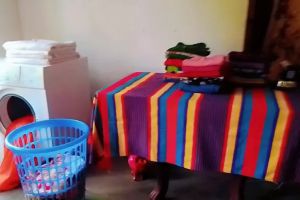
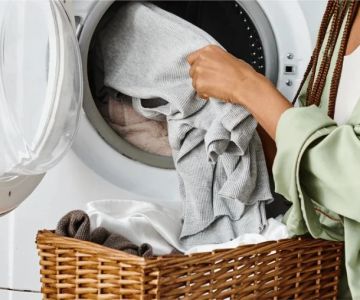
Too many clothes in the machine prevent water and detergent from circulating properly, while underloading may reduce washing efficiency. Both affect the cleanliness of fabrics.
Thambuttegama Laundry
MeegalewaAnuradhapuraNorth Central Province
Pasal junction, kurigas wewa, Meegalewa 60750, Sri Lanka
1.2 Incorrect Sorting
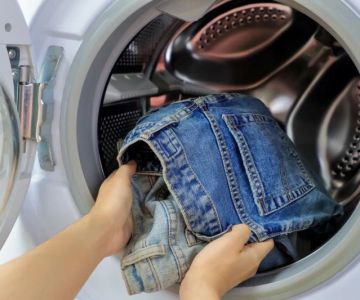
Mixing colors, fabrics, and soil levels can lead to uneven cleaning and potential color transfer. Sorting laundry by color and material ensures optimal results.
2. Choosing the Right Detergent
Using the wrong detergent or incorrect amount can leave residue and stains behind.
2.1 Powder vs Liquid Detergent
Powder detergents are effective for removing ground-in dirt, while liquids dissolve easily and work well on greasy stains. Selecting the right type for your fabric and stain type enhances cleanliness.
2.2 Detergent Dosage
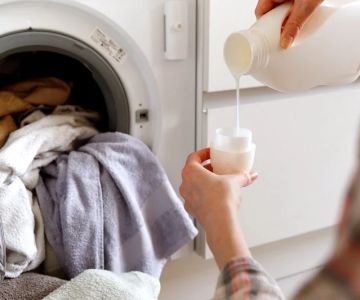
Excess detergent leaves residue and can trap dirt, while too little may fail to remove stains. Follow manufacturer instructions and adjust based on load size and water hardness.
3. Washing Machine Settings and Loads
Proper machine settings play a crucial role in achieving clean clothes.
3.1 Cycle Selection
Use gentle cycles for delicate fabrics, normal cycles for everyday clothes, and heavy cycles for soiled items. Incorrect cycle selection can leave clothes looking unclean.
3.2 Water Temperature
Hot water removes tough stains and kills bacteria, but may shrink or fade some fabrics. Cold water preserves color and is suitable for most modern detergents. Selecting the right temperature is essential.
4. Stain Prevention and Treatment
Treating stains promptly improves overall laundry results.
4.1 Pre-Treatment Solutions
Apply stain remover or a small amount of detergent to spots before washing. Allow it to sit for several minutes for optimal stain lift.
4.2 Specialized Treatments
Use enzyme-based cleaners for protein stains like blood or sweat, and oxygen bleach for colored fabrics. Targeted treatments enhance fabric cleanliness and longevity.
5. Water Quality and Temperature
Water hardness and temperature impact detergent effectiveness and fabric brightness.
5.1 Hard Water Issues
Minerals in hard water can prevent soap from lathering and leave residue. Consider using a water softener or liquid detergent designed for hard water conditions.
5.2 Optimal Temperature
Warm water generally balances cleaning efficiency and fabric safety, while very hot water is reserved for whites or heavily soiled items. Cold water works well with modern detergents but may require longer cycles.
6. Fabric Care and Maintenance
Proper care ensures fabrics look fresh and last longer.
6.1 Reading Labels
Follow care instructions for washing, drying, and ironing. Ignoring labels can lead to color fading, shrinkage, or lingering dirt.
6.2 Regular Machine Cleaning
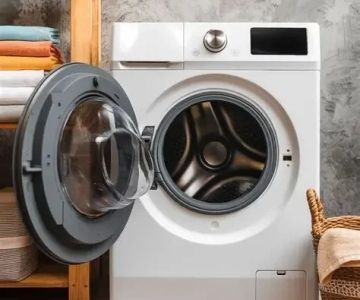
Wash your machine monthly to remove detergent buildup, mold, and lint. A clean machine contributes to cleaner laundry.
7. Real-Life Laundry Cases
Examples illustrate common laundry challenges and solutions.
7.1 Office Attire
Jessica noticed her white blouses appeared gray despite frequent washing. Switching to liquid detergent, adjusting water temperature, and pretreating collar stains restored brightness.
7.2 Family Laundry
The Johnson family struggled with muddy sports uniforms. Sorting by soil level and using enzyme-based pretreatment improved cleanliness and preserved colors.
8. Expert Tips for Clean Clothes
Experts recommend systematic laundry practices to ensure consistent results.
8.1 Consistent Sorting
Sort by color, fabric type, and soil level. Keep whites, darks, and delicates separate for best results.
8.2 Correct Dosage and Temperature
Follow detergent instructions and adjust cycles and water temperature based on load characteristics.
8.3 Immediate Stain Management
Address stains as soon as possible with appropriate pretreatment to prevent permanent marks.
9. Resources and Products
Using quality laundry products and reliable guidance improves outcomes. Platforms like Reliable Damage Hub offer curated recommendations for detergents, stain removers, and washing techniques. Incorporating these expert resources ensures your clothes look clean, fresh, and well-maintained.
If your clothes are not looking clean, applying these techniques and using recommended products from Reliable Damage Hub can transform your laundry routine. For detailed guidance and the latest laundry solutions, explore the available resources today and achieve consistently clean and vibrant fabrics.

 Kani loundry4.0 (39 reviews)
 Kishanthy Laundry3.0 (3 reviews)
 Laundry4.0 (20 reviews)
 Red Rose Washing Hub🌹5.0 (4 reviews)
 Senanayaka2.0 (17 reviews)
 Quick & clean laundry2.0 (5 reviews)
 How to Remove Tomato Sauce Stains From Polyester Fabrics
 How to Wash Hoodies Without Causing Color Fading
 How to Wash Gym Clothes to Remove Sweat and Odor Forever
 Clothes Smell Bad After Drying? Here's What to Do Next
 How to Remove Chocolate Stains From Polyester Pants
 How to Remove Oil Stains From Cotton Pants