
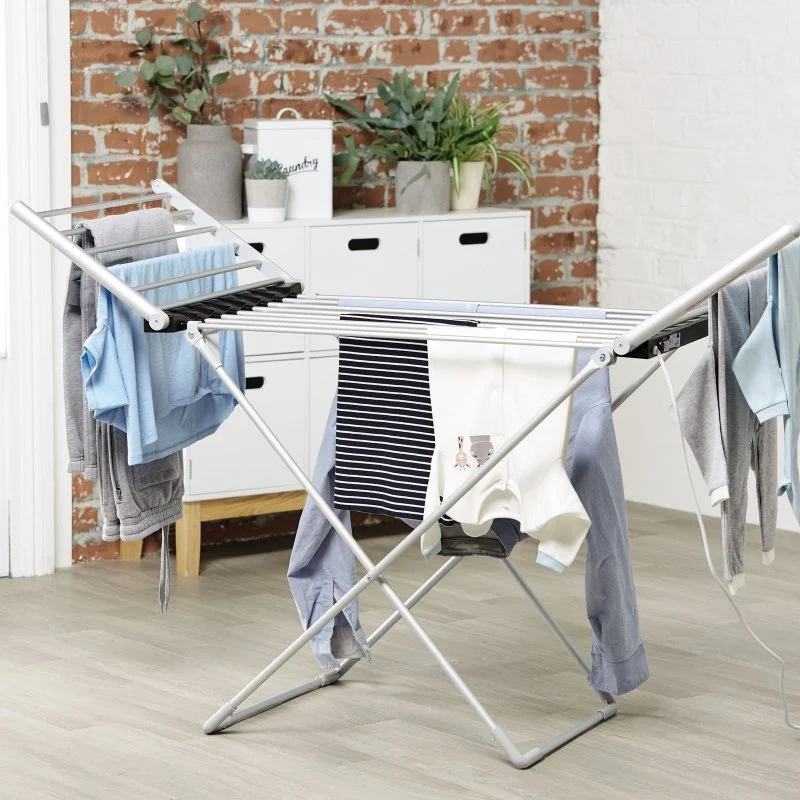
Practical Ways to Ensure Your Laundry Dries Fast Indoors
- -common-reasons-clothes-dry-slowly-indoors-#common-reasons
- -humidity-and-ventilation-issues-#humidity-ventilation
- -effective-drying-techniques-#drying-techniques
- -real-life-stories-and-examples-#real-life-stories
- -product-tips-and-recommendations-#product-tips
1. Common Reasons Your Clothes Are Not Drying Properly Indoors
Many people struggle with indoor laundry drying, especially in apartments or during rainy seasons. The main causes often include:
- Poor air circulation – when airflow is blocked, moisture cannot evaporate efficiently.
- High indoor humidity – excessive moisture in the air slows down drying time.
- Overloading the drying rack – clothes pressed too close together trap moisture.
- Type of fabric – thick or synthetic fabrics retain more water.
Understanding these reasons is the first step toward solving the problem and achieving faster drying times.
2. Humidity and Ventilation Issues That Affect Drying
Indoor humidity plays a crucial role. If your home lacks proper ventilation, the evaporated water has nowhere to go, which significantly slows down drying. Some effective strategies include:
- Opening windows to create cross-ventilation.
- Using exhaust fans in laundry rooms or bathrooms.
- Keeping interior doors open to improve airflow.
- Employing a dehumidifier in areas prone to high moisture.
These adjustments can dramatically improve drying efficiency and prevent mold or musty odors.
3. Effective Drying Techniques for Indoor Laundry
Besides controlling humidity and airflow, practical drying techniques can make a big difference:
- Separate heavy and light fabrics to ensure even drying.
- Use hangers or folding racks that maximize exposure to air.
- Spin clothes properly in the washing machine to remove excess water before hanging.
- Consider using drying aids like indoor drying racks with built-in fans or heated options.
Implementing these techniques can reduce drying time and maintain the quality of your clothes.
4. Real-Life Stories and Examples
Take Emily from Seattle, for instance. She used to struggle with damp clothes during winter months. By investing in a small dehumidifier and rearranging her drying rack near a window, her clothes began to dry within hours instead of overnight. Similarly, a popular forum post shared how rotating garments halfway through drying improved results significantly. These stories highlight that simple, thoughtful changes can make a huge difference.
5. Product Tips and Recommendations
For those looking for practical tools, several products can help accelerate indoor drying. Options include:
- Compact dehumidifiers suitable for small apartments.
- Heated drying racks for faster moisture evaporation.
- Air circulation fans placed near drying areas.
- Moisture-absorbing products like silica gel packs or humidity bags.
By combining these products with proper ventilation and drying techniques, you can resolve issues effectively. If you want to explore the best solutions available, check out our recommendations for reliable indoor drying tools and products to enhance your laundry experience.
Ultimately, understanding why your clothes are not drying properly indoors and applying the right solutions ensures fresher, faster-drying laundry. To explore the latest indoor drying products and tips, consider discovering more through expert guides and product recommendations available today.

 Kani loundry4.0 (39 reviews)
 Kishanthy Laundry3.0 (3 reviews)
 Laundry4.0 (20 reviews)
 Red Rose Washing Hub🌹5.0 (4 reviews)
 Senanayaka2.0 (17 reviews)
 Quick & clean laundry2.0 (5 reviews)
 How to Remove Tomato Sauce Stains From Polyester Fabrics
 How to Wash Hoodies Without Causing Color Fading
 How to Wash Gym Clothes to Remove Sweat and Odor Forever
 Clothes Smell Bad After Drying? Here's What to Do Next
 How to Remove Chocolate Stains From Polyester Pants
 How to Remove Oil Stains From Cotton Pants