
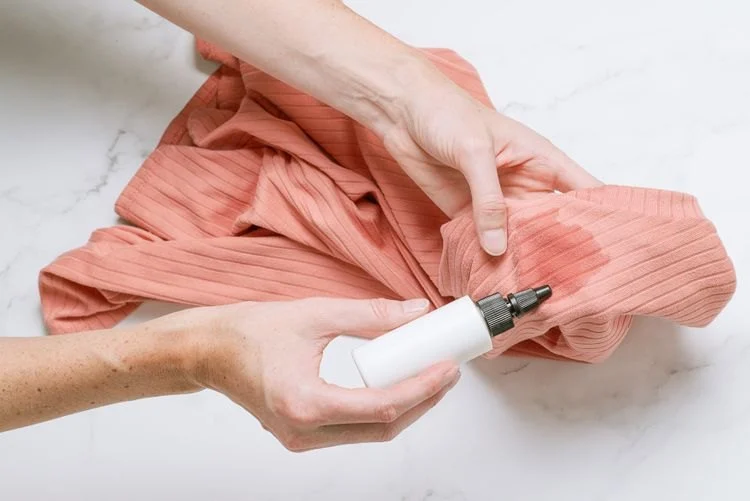
Why Do Clothes Smell Strange and What You Can Do About It
- 1 - Common Causes of Odd Clothing Smells
- 2 - Laundry Machine and Detergent Issues
- 3 - Fabric Type and Storage Factors
- 4 - Tips for Removing Unpleasant Smells
- 5 - Preventing Future Odor Problems
- 6 - Real-Life Examples and Case Studies
- 7 - Choosing Effective Products for Fresh Clothes
1 - Common Causes of Odd Clothing Smells
Clothes that smell strange are a common issue in households. Understanding the root causes is key to effectively addressing the problem.
1.1 Residual Sweat and Body Oils
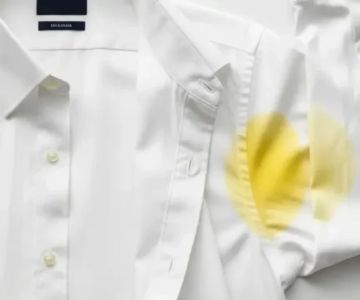
Even after washing, sweat and natural body oils can linger in fabrics, especially in synthetic materials. Over time, these residues create a musty or sour odor.
1.2 Mold and Mildew Growth
Damp clothing left in the washer or laundry basket can develop mold and mildew. This is particularly prevalent in humid climates or when clothes are stored wet for extended periods.
1.3 Environmental Odors
Smoke, cooking smells, or exposure to outdoor pollutants can cling to fabrics. These odors are often absorbed into clothing fibers and persist even after washing.
2 - Laundry Machine and Detergent Issues
The washing machine itself can be a source of odors if not properly maintained.
2.1 Residue Build-Up in Machines
Detergent, fabric softener, and mineral deposits can accumulate in the drum or detergent drawer, creating foul smells that transfer to laundry.
2.2 Incorrect Detergent Use
Using too little or too much detergent, or using the wrong type for your machine, can lead to ineffective cleaning, leaving behind odors.
2.3 Water Temperature and Wash Cycle
Cold water washes may not eliminate bacteria or oils effectively. Choosing the appropriate cycle and temperature for the fabric type ensures deeper cleaning and reduces odors.
3 - Fabric Type and Storage Factors
Fabrics and how you store clothes play a major role in odor retention.
3.1 Synthetic Fabrics
Polyester and nylon can trap sweat and bacteria more than cotton or natural fibers, requiring extra attention in washing.
3.2 Improper Storage
Storing damp clothes, or tightly packed clothing in closets or drawers without ventilation, encourages bacterial growth and lingering smells.
3.3 Frequent Use Without Proper Cleaning
Repeatedly wearing the same garments without thorough washing can amplify odors over time.
4 - Tips for Removing Unpleasant Smells
Several practical strategies help restore freshness to clothes:
4.1 Pre-Soaking
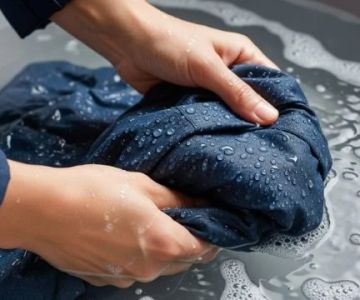
Soak clothes in a mixture of water and vinegar or baking soda before washing. This helps neutralize odors and break down residues.
4.2 Proper Detergent and Additives
Use a high-quality detergent suitable for your fabric type. Adding oxygen-based bleach or laundry boosters can help eliminate stubborn smells.
4.3 Machine Maintenance
Regularly clean the washing machine drum, seals, and detergent drawers. Run an empty hot-water cycle with vinegar or bleach monthly to remove build-up.
4.4 Sun-Drying
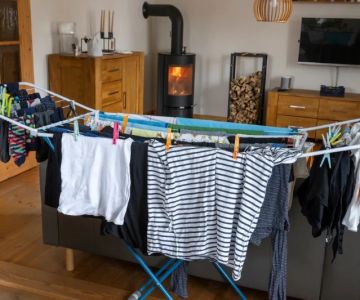
Drying clothes in direct sunlight helps kill bacteria and remove odors naturally. For items sensitive to sun, use well-ventilated indoor drying.
5 - Preventing Future Odor Problems
Consistency in laundry routines and proper garment care prevents recurring smells:
5.1 Wash Clothes Promptly
Don’t leave sweaty or wet garments in laundry baskets for extended periods.
5.2 Use Proper Ventilation
Ensure your laundry area is ventilated and consider dehumidifiers in humid climates to reduce mold growth.
5.3 Rotate Clothing
Regularly rotate garments to ensure even wear and reduce odor accumulation in frequently used items.
6 - Real-Life Examples and Case Studies
Practical experiences illustrate common causes and solutions:
6.1 College Dorm Laundry
Emily noticed her workout clothes had a persistent sour smell despite regular washing. She discovered her small dorm washer had a mold buildup. After cleaning the machine and using pre-soaks with baking soda, the odors disappeared.
6.2 Family Household Case
The Smith family found their gym clothes smelled musty. Switching to a hotter wash cycle for synthetic fabrics and sun-drying outside eliminated the problem, while regular machine maintenance prevented recurrence.
6.3 Professional Advice
Laundry experts recommend using odor-neutralizing additives, choosing proper detergents, and ensuring proper drying. Following these steps keeps clothes smelling fresh and extends garment life.
7 - Choosing Products to Freshen Clothes
Using the right products enhances results and convenience:
7.1 Laundry Boosters
Oxygen-based laundry boosters, vinegar, and baking soda are effective in neutralizing persistent odors in both synthetic and natural fabrics.
7.2 Fabric Sprays and Deodorizers
After washing, fabric sprays can provide a quick refresh for lightly worn garments. Choose products free from harsh chemicals for sensitive skin.
7.3 Trusted Brands and Resources
Platforms like FastBite Guide and reputable home care guides recommend high-quality odor-removing products and pre-treatment solutions. Explore these resources to find reliable solutions that suit your household needs.
If your clothes smell strange, identifying the source and using effective cleaning techniques can restore freshness and maintain fabric quality. From machine maintenance to pre-soaks and proper storage, these strategies ensure your garments stay odor-free. Discover the best products for your laundry needs and explore expert recommendations today to keep your clothes smelling clean and fresh.
 Kani loundry4.0 (39 reviews)
 University Laundry0.0 (0 reviews)
 Romantic laundry outlet5.0 (1 reviews)
 Kleen Laundry5.0 (74 reviews)
 The laundry room2.0 (7 reviews)
 FASHION DRY CLEAN - LAUNDRY MART4.0 (1 reviews)
 Why Your Laundry Might Be Too Heavy and How to Fix It | Laundry Tips
 How to Wash Hoodies With Fleece Lining Safely
 Best Ideas for Washing Linen Pants Without Creases
 What's the Difference Between Hand Wash and Machine Wash?
 Easy Hacks to Remove Tomato Sauce Stains From White Cotton
 How to Remove Ink Stains From Cotton and Linen