

Why Your Laundry Might Be Too Damp and How to Solve It
- 1 - Common Causes of Damp Laundry - Understanding the Problem
- 2 - How to Dry Laundry Effectively - Expert Techniques
- 3 - Real-Life Examples of Damp Laundry - Stories and Lessons
- 4 - Preventing Damp Laundry in the Future - Tips and Tricks
- 5 - Recommended Products to Help Laundry Dry Faster - Enhance Your Routine
- 6 - Expert Advice on Maintaining Fresh Laundry - Professional Insights
- 7 - Take Action Now for Perfectly Dry Clothes - Your Next Steps
1 - Common Causes of Damp Laundry - Understanding the Problem
1.1 Overloading Your Washing Machine
One of the main reasons your laundry might be too damp is overloading your washing machine. When too many clothes are packed into the drum, water cannot drain properly, leaving garments wetter than expected. Learning to respect load limits ensures each item is rinsed and spun efficiently.
1.2 Inadequate Spin Cycles
Sometimes, your laundry may feel damp because the spin cycle is insufficient. Using lower spin speeds or skipping the spin altogether results in excess moisture trapped in fabrics. Adjusting settings based on fabric type can dramatically improve drying outcomes.
1.3 Washer Malfunctions
Occasionally, damp laundry is a sign of machine issues such as clogged drainage pipes or worn-out belts. Regular maintenance and timely repairs prevent repeated frustrations with soggy clothes.
2 - How to Dry Laundry Effectively - Expert Techniques
2.1 Using a High-Quality Dryer
A reliable dryer with customizable heat and time settings ensures clothes dry thoroughly without damage. For delicate fabrics, use lower heat and longer drying cycles to retain softness and shape.
2.2 Air-Drying Tips
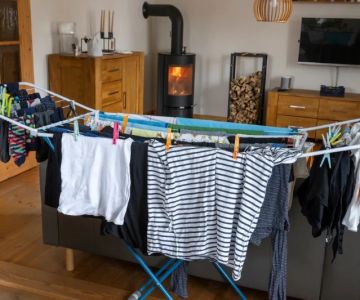
Air-drying can be effective when done correctly. Space garments apart on racks, avoid overcrowding, and position them in areas with good airflow. Using fans or opening windows speeds up drying while reducing the risk of mildew.
2.3 Combining Methods
For stubbornly damp laundry, combining spin cycles, dryers, and air-drying often produces the best results. Layering these methods guarantees clothes emerge fully dry and ready to wear.
3 - Real-Life Examples of Damp Laundry - Stories and Lessons
3.1 A Busy Parent’s Laundry Nightmare
Sarah, a mother of two, noticed her towels and kids’ clothes remained damp after washing. She realized she was overloading her washer and underestimating drying times. By reducing load sizes and using a higher spin speed, she solved the problem within a week.
3.2 College Student Solutions
Jake, a college student, had limited access to dryers and relied on communal laundry rooms. His clothes often stayed damp due to poor ventilation. Adding a portable fan and rotating clothes halfway through drying completely eliminated the issue.
4 - Preventing Damp Laundry in the Future - Tips and Tricks
4.1 Regular Machine Maintenance
Keep your washing machine and dryer in top condition with routine checks and cleanings. Removing lint, inspecting hoses, and ensuring proper drainage prevents recurring damp laundry problems.
4.2 Sorting by Fabric Type
Drying times vary between heavy towels and lightweight shirts. Sorting laundry by weight and fabric type allows each load to dry evenly, avoiding partial dampness.
4.3 Timing and Environmental Awareness
Understanding seasonal and indoor humidity levels helps you plan laundry schedules. Sunny, low-humidity days speed up air-drying, while rainy or humid days may require dryer use to prevent damp smells and mildew.
5 - Recommended Products to Help Laundry Dry Faster - Enhance Your Routine
5.1 Dryer Balls and Moisture Sensors
Use dryer balls to separate clothes and improve air circulation. Moisture sensors detect when garments are dry, preventing over-drying and saving energy.
5.2 Portable Drying Racks and Dehumidifiers
Portable racks positioned near fans or heaters accelerate air-drying. Dehumidifiers reduce room moisture, creating optimal conditions for faster drying indoors.
5.3 High-Performance Laundry Appliances
Modern washing machines with strong spin cycles and advanced dryers provide consistent results. Investing in quality appliances ensures laundry is perfectly dry each time.
6 - Expert Advice on Maintaining Fresh Laundry - Professional Insights
6.1 Avoiding Mildew and Odors
Professionals recommend removing laundry promptly from the washer, using proper detergent, and drying fully to prevent damp-related odors. Quick attention preserves fabric quality and freshness.
6.2 Proper Storage Post-Drying
Once clothes are dry, store them in a ventilated space to maintain dryness. Avoid crowded closets where moisture can linger, especially in humid climates.
7 - Take Action Now for Perfectly Dry Clothes - Your Next Steps
7.1 Assess Your Current Routine
Check load sizes, spin cycles, and drying methods. Small adjustments can make a huge difference in eliminating damp laundry.
7.2 Explore Recommended Products
Invest in quality dryers, dryer balls, or dehumidifiers to ensure your laundry is never too damp again. Explore solutions and product recommendations to find what fits your household best.
7.3 Start Enjoying Fresh, Dry Clothes Today
Take control of your laundry experience. Learn more about the best products and strategies to prevent damp laundry by clicking here and ensuring every load is fresh, dry, and ready to wear.



 Saman cleaners3.0 (37 reviews)
 Dammi Laundry5.0 (14 reviews)
 Kunam Loundry service5.0 (3 reviews)
 Laundry4.0 (20 reviews)
 Red Rose Washing Hub🌹5.0 (4 reviews)
 University Laundry0.0 (0 reviews)
 Clothes Not Drying Indoors? Here's What Helps
 Clothes Smell Bad After Drying? Here's What to Do Next
 Why Clothes Lose Texture After Washing and How to Restore It
 How to Wash Towels Without Leaving Lint
 How to Wash Wool Sweaters to Keep Them Soft and Fluffy
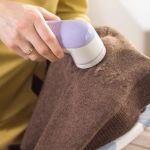 How to Wash Clothes to Avoid Pilling on Soft Fabrics