
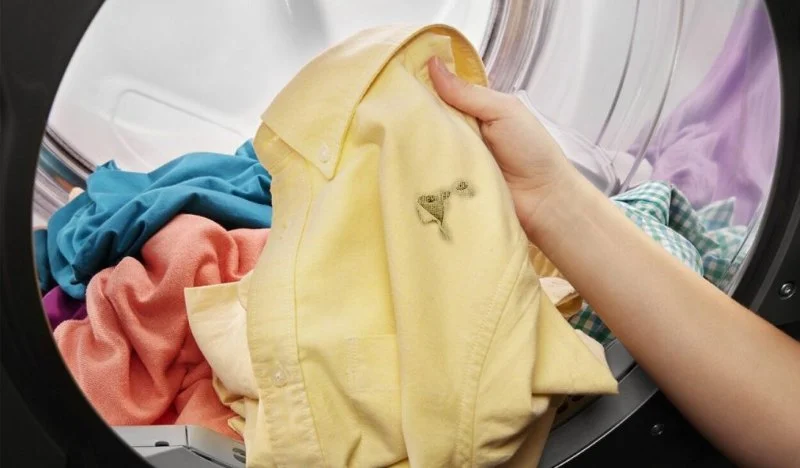
Understanding When Your Laundry Might Be Too Heavy
- 1-Common-Causes-of-Heavy-Laundry
- 2-Effects-on-Washing-Machines
- 3-Identifying-Overloaded-Loads
- 4-Tips-to-Reduce-Laundry-Weight
- 5-Proper-Sorting-and-Preparation
- 6-Using-Appropriate-Washing-Cycles
- 7-Recommended-Products-for-Heavy-Laundry
- 8-Real-Life-Examples-and-Stories
- 9-Final-Advice-and-Buying-Guidance
1. Common Causes of Heavy Laundry
Heavy laundry loads often result from combining multiple thick items such as towels, bedding, or jeans in a single wash. Using improper washing techniques or ignoring machine capacity limits also contributes to overloaded loads. Seasonal clothing, blankets, and extra layers can significantly increase the weight.

1.1 Mixing Fabric Types
Combining delicate fabrics with heavy items can lead to uneven weight distribution, causing strain on the machine and suboptimal cleaning. Understanding how different fabrics affect load weight is essential for effective washing.

Laundry service nilaveli
NilaveliTrincomaleeEastern Province
Cardamon Hotel, Ward 2, Nilaveli 31010, Sri Lanka
1.2 Ignoring Machine Capacity
Every washing machine has a maximum recommended load weight. Exceeding this limit can reduce washing efficiency and increase wear and tear on your appliance.
2. Effects on Washing Machines
Overloading your washing machine can cause mechanical problems, decreased cleaning performance, and shortened machine lifespan.
2.1 Strain on the Motor
Heavy loads require more power to rotate, potentially overheating the motor and causing malfunctions. This may result in costly repairs or reduced machine efficiency.
2.2 Uneven Cleaning
Overloaded machines prevent clothes from moving freely, leading to uneven detergent distribution and partially cleaned items. Heavier loads may also cause increased wrinkling and fabric damage.
3. Identifying Overloaded Loads
Recognizing when your laundry is too heavy prevents damage to both clothes and appliances.
3.1 Observing Machine Behavior
Signs of overload include excessive vibration, prolonged cycles, or error messages. If the drum struggles to spin, it’s likely that the load is beyond capacity.
3.2 Physical Indicators
Items tightly packed in the drum without space to move freely indicate that the load should be split into smaller portions for optimal cleaning.
4. Tips to Reduce Laundry Weight
Managing laundry weight efficiently improves cleaning and prolongs machine life.
4.1 Divide and Conquer
Split large or bulky items into separate loads. Towels, bedding, and heavy clothing should be washed in smaller batches to prevent strain.
4.2 Use Mesh Laundry Bags
Placing delicate or small items in mesh bags keeps them contained and evenly distributed, reducing load imbalance.
5. Proper Sorting and Preparation
Sorting laundry by weight, fabric type, and soil level is critical to avoid overloading.
5.1 Sort by Fabric Weight
Separate heavy fabrics from light ones. This ensures uniform movement within the drum and reduces stress on the washing machine.
5.2 Pre-Treat Stains
Pre-treating heavily soiled areas avoids the need for re-washing, which can add extra weight to subsequent loads.
6. Using Appropriate Washing Cycles
Selecting the right cycle accommodates load weight and fabric type.
6.1 Heavy Duty Cycle
For thicker items like towels or jeans, use the heavy-duty or bedding cycle. These cycles are designed for larger, heavier loads.
6.2 Gentle Cycle for Light Items
Delicate fabrics require lighter cycles to prevent stretching or tearing. Separate these items to maintain machine balance and proper cleaning.
7. Recommended Products for Heavy Laundry
Using suitable detergents, boosters, and washing aids enhances cleaning performance.
7.1 High-Efficiency Detergents
Detergents formulated for high-efficiency machines help maintain cleaning power without over-sudsing. These are particularly effective for heavy loads.
7.2 Fabric Softeners and Conditioners
These products reduce fabric stiffness and make drying easier, improving the overall laundry experience.
8. Real-Life Examples and Stories
One household discovered that washing full bedding sets together caused the washing machine to emit unusual sounds and incomplete rinsing. By splitting the load and using mesh laundry bags for smaller items, they achieved cleaner laundry with less machine strain. This story highlights practical strategies to handle heavy laundry efficiently.
8.1 Lessons Learned
Regularly assessing load weight, sorting items, and using appropriate cycles prevents machine wear and ensures optimal laundry results.
9. Final Advice and Buying Guidance
Understanding that your laundry might be too heavy is the first step toward efficient washing. Adopting proper sorting, splitting bulky loads, and using high-quality detergents ensures better cleaning, reduces appliance strain, and prolongs the life of clothing. Platforms like Reliable Damage Hub offer product recommendations, washing tips, and expert guidance to optimize your home laundry routine. Explore their solutions to manage heavy laundry effectively and elevate your washing experience.





 ^MY SHOES " wash & clean0.0 (0 reviews)
 LOTUS LAUNDRY CHEMICALS5.0 (1 reviews)
 Home stay laundry4.0 (10 reviews)
 Dammi Laundry5.0 (14 reviews)
 Moris Laundry0.0 (0 reviews)
 University Laundry0.0 (0 reviews)
 How to Wash Clothes for Everyday Use: The Best Methods and Tips
 How to Wash Curtains Without Shrinking or Wrinkling Them
 How to Remove Oil Stains From Cotton Shirts Quickly
 How to Wash Baby Blankets Without Shrinking
 How to Wash Kids’ Uniforms So They Stay Bright
 Why Your Washing Machine Might Be Making Clothes Smell Worse