
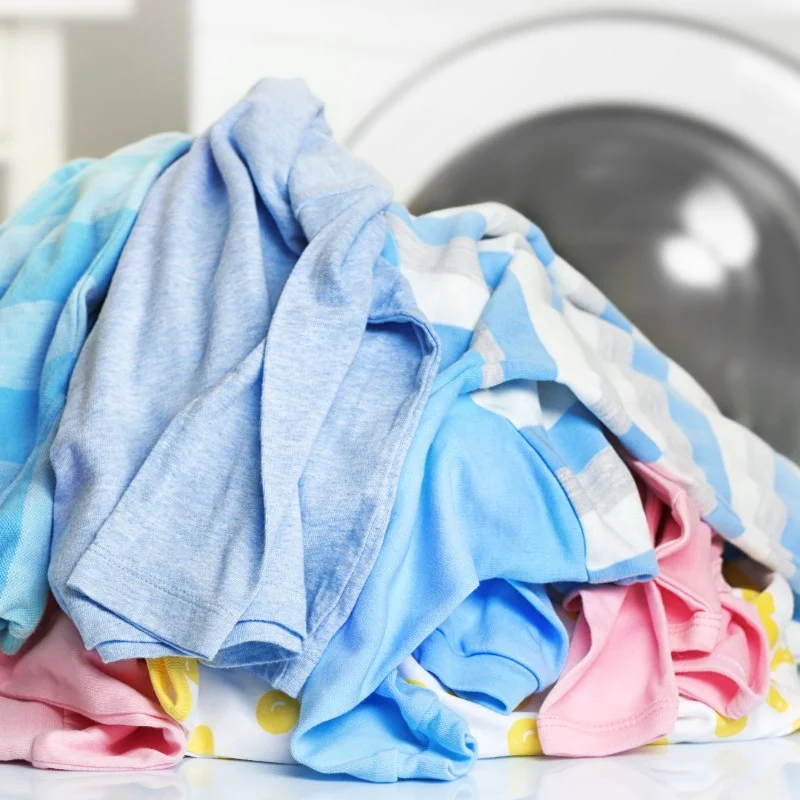
Simple Clothing Care Habits That Help Your Favorite Outfits Stay Fresh
- understanding-clothing-longevity
- washing-techniques-that-protect-fabrics
- drying-methods-to-prevent-damage
- proper-storage-for-long-lasting-clothes
- daily-habits-that-preserve-your-wardrobe
- common-clothing-care-mistakes
- professional-tips-for-premium-garments
- choosing-products-for-better-clothing-care
Understanding Why Some Clothes Stay New for Years
Many people wonder why some wardrobes still look fresh after years while others appear faded, stretched, or worn after only a few months. The difference is often not the price of the clothing but the way the garments are treated. Learning how to keep clothes looking new is about developing consistent habits that protect fabric, color, shape, and overall quality.
Clothing is an investment. Whether it is a favorite denim jacket, a well-fitted blazer, a comfortable sweater, or everyday basics, proper care can significantly extend the life of each piece. A few small changes in washing, drying, storing, and handling clothes can make a noticeable difference.
In recent years, more consumers have started focusing on sustainable fashion. Instead of constantly replacing damaged clothing, many people are choosing to maintain what they already own. This approach saves money, reduces waste, and allows favorite pieces to remain part of a personal style for much longer.
The relationship between care habits and fabric quality
Different fabrics react differently to cleaning and daily use. Cotton, wool, silk, linen, polyester, and blended materials each require specific care methods. Treating every item the same way can lead to unnecessary damage.
For example, washing delicate wool sweaters with strong detergents and hot water can cause shrinking and loss of softness. On the other hand, denim may lose its color faster when washed too frequently. Understanding fabric behavior is one of the most important steps in maintaining clothing quality.

1. Washing Techniques That Help Clothes Maintain Their Original Look
Read clothing labels before cleaning
One of the simplest answers to the question “What's the Best Way to Keep Clothes Looking New” is paying attention to care instructions. Clothing labels are designed to provide guidance on temperature, washing methods, and drying recommendations.
Ignoring these instructions is one of the most common reasons clothes lose their original appearance. A garment that requires cold washing may become damaged when exposed to high temperatures. Similarly, items marked for gentle cycles may lose their structure when washed with heavy fabrics.
Use the correct washing temperature
Hot water can remove some stains effectively, but frequent exposure may weaken fibers and cause colors to fade. For everyday clothing, cold or warm water is often a safer choice.
Cold washing helps preserve fabric strength and prevents excessive shrinking. It is especially beneficial for dark clothing, printed shirts, and garments made from delicate materials.
Avoid overloading the washing machine
Many people try to save time by filling the washing machine as much as possible. However, overcrowding prevents clothes from moving freely, reducing cleaning effectiveness and increasing friction between fabrics.
Excessive friction can create fading, pilling, and stretching. Giving clothes enough space during washing helps maintain their texture and appearance.
Choose suitable detergents
The type of detergent used can influence how long clothes remain in good condition. Harsh formulas may gradually weaken fibers, especially on delicate fabrics.
Mild detergents designed for specific materials can help protect colors and maintain softness. Some clothing enthusiasts also separate detergents based on fabric type to provide better care for premium garments.
2. Drying Methods That Prevent Shrinking and Fabric Wear
Why drying matters as much as washing
Many people focus only on washing techniques but forget that drying plays an equally important role. Incorrect drying methods can undo the benefits of careful washing.
High heat from dryers can weaken certain fibers, shrink clothing, and affect elasticity. While machine drying is convenient, some garments benefit from air drying.
Air drying for better garment protection
Air drying is one of the most effective ways to maintain clothing shape and fabric strength. Hanging clothes in a well-ventilated area allows moisture to evaporate naturally without exposing materials to unnecessary heat.
However, not every item should be hung in the same way. Heavy sweaters can stretch when placed on hangers, so folding them flat is often a better option.
Protecting colors from sunlight
Direct sunlight can gradually fade fabrics, especially darker colors. When drying clothes outdoors, placing them in a shaded but ventilated area can help preserve their original color.
This small adjustment is particularly useful for black clothing, bright-colored shirts, and fashion pieces where maintaining color intensity is important.
3. Proper Storage Techniques for a Longer-Lasting Wardrobe
Clean clothes before storing
One mistake many people make is storing worn clothing without washing it first. Even small amounts of sweat, oils, or food particles can attract bacteria and create unpleasant odors over time.
Before storing seasonal clothing, make sure each item is clean and completely dry. This simple habit helps prevent stains from becoming permanent.
Use the right storage method for different garments
Not every piece of clothing should be stored the same way. Structured items such as jackets and coats usually benefit from quality hangers that maintain their shape.
Soft garments like knitwear are often better folded because hanging can create unwanted stretching around the shoulders.
Create a wardrobe environment that protects fabrics
Humidity, dust, and poor airflow can damage clothing over time. Keeping closets clean and allowing air circulation helps reduce problems such as mildew and musty smells.
Many clothing experts recommend organizing wardrobes carefully rather than overcrowding them. When garments have enough space, they experience less pressure and friction.
4. Everyday Habits That Keep Clothes Looking Fresh
Rotate your favorite pieces
Wearing the same clothing items repeatedly can accelerate wear. A simple way to extend clothing lifespan is creating rotation within your wardrobe.
For example, instead of wearing the same jacket every day, alternating between several outer layers allows each piece time to recover and reduces stress on fabrics.
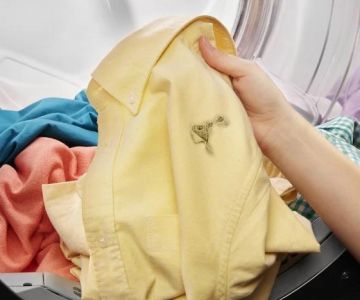
Handle stains quickly
A fresh stain is usually easier to remove than an old one. Waiting too long can allow substances to penetrate deeper into fibers.
Quick action does not always require aggressive cleaning. Gentle treatment with appropriate stain solutions is often more effective than scrubbing harshly.
Repair small problems before they grow
A loose button, small tear, or damaged seam may seem minor, but ignoring it can lead to larger problems. Regular inspection helps identify issues before they become expensive repairs.
Many people are rediscovering basic clothing repair skills because they allow favorite pieces to remain wearable for years instead of being discarded.
5. Common Mistakes That Make Clothes Look Older Faster
Washing clothes too frequently
Not every garment needs to be washed after every use. Overwashing can shorten fabric life, especially for items that are not heavily soiled.
Some outerwear, jeans, and durable materials can often be refreshed through airing, spot cleaning, or gentle maintenance instead of frequent washing.
Using too much detergent
More detergent does not always mean cleaner clothes. Excess detergent can leave residue that makes fabrics feel stiff and attracts additional dirt.
Using the recommended amount allows clothing fibers to remain softer and cleaner.
Ignoring professional cleaning recommendations
Certain materials require specialized care. Luxury fabrics, formal wear, and delicate garments may need professional cleaning methods to maintain their original condition.
Investing in proper care can be less expensive than replacing high-quality clothing repeatedly.
6. Expert Approaches for Maintaining High-Quality Clothing
Treat clothing as a long-term investment
A useful mindset shift is viewing clothing as something valuable rather than disposable. High-quality pieces often have excellent durability when maintained correctly.
Many fashion professionals recommend building a wardrobe around fewer but better-quality items and taking care of them consistently.
Use protective clothing accessories
Simple accessories such as garment bags, fabric brushes, shoe trees, and proper hangers can make a significant difference.
For example, a fabric brush can remove surface dust and lint without the need for frequent washing, helping delicate materials maintain their appearance.
Learn from real wardrobe experiences
A common story among fashion enthusiasts is rediscovering old clothing pieces that were properly stored and maintained. A leather jacket purchased years ago may still look stylish because it was conditioned regularly and protected from moisture.
These examples show that longevity is not only about buying expensive clothing. Consistent care creates lasting value.
7. Choosing the Right Products to Keep Clothes Looking New
Select care products based on your wardrobe needs
The right clothing care products can make maintenance easier. Different wardrobes require different solutions, from gentle detergents and fabric conditioners to storage tools and stain removers.
People with delicate fabrics may benefit from specialized products, while everyday clothing owners may prefer versatile solutions that protect colors and materials.
Upgrade your clothing care routine
If you want your favorite clothes to stay fresh, comfortable, and stylish for longer, investing in quality clothing care products is a smart step. The right tools can simplify maintenance and help preserve the appearance of your wardrobe.
Explore more clothing care solutions and discover products designed to help protect your garments. Taking better care of your clothes today means enjoying a wardrobe that looks newer, feels better, and lasts much longer.


 Rinse Laundry4.0 (11 reviews)
 The laundry room2.0 (7 reviews)
 Sea & shine Laundry4.0 (8 reviews)
 Kishanthy Laundry3.0 (3 reviews)
 Rajarata Washing Industries (Pvt) Ltd5.0 (3 reviews)
 Romantic laundry outlet5.0 (1 reviews)
 Clothes Smell Bad After Storage? Fast Fixes That Actually Work
 Why Your Laundry Might Not Smell Fresh Enough and How to Fix It
 Laundry Not Smelling Good? Fix It Now With Proven Cleaning Solutions
 How to Remove Blood Stains From Polyester Shirts - Step-by-Step Guide
 Clothes Smell Bad After Drying? Here's What to Do Next
 Easy Hacks to Remove Tomato Sauce Stains From White Cotton