
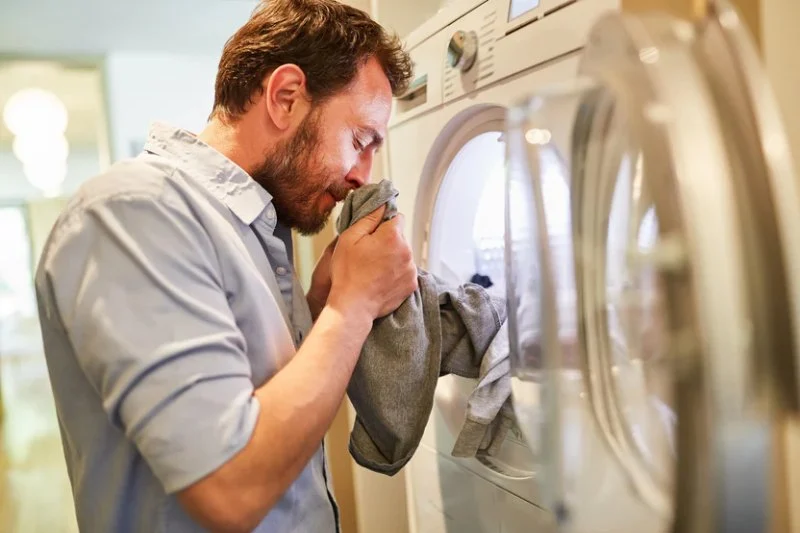
Clothes Smell Bad After Storage? Here’s How to Fix It Fast and Bring Them Back to Life
- Why Clothes Smell Bad After Storage Moisture and Bacteria Explained
- Fast Ways to Remove Storage Odor from Clothes at Home
- How to Use Washing Techniques to Eliminate Musty Smells Completely
- Sunlight Steam and Air Flow Natural Methods for Deep Deodorizing
- Real Life Stories When Stored Clothes Ruined a Trip or Event
- How to Prevent Wardrobe Odor and Storage Smells Long Term
- Smart Storage Habits That Stop Musty Smells Before They Start
- When to Replace Fabrics That Never Lose Storage Odor
Why Clothes Smell Bad After Storage Moisture and Bacteria Explained
If you’ve ever opened a storage box or closet after a few months and been hit with that sour, damp smell, you’re not alone. The issue behind clothes smell bad after storage is almost always moisture trapped inside fabric fibers combined with slow bacterial growth. Even if clothes look clean, microscopic residue from sweat, detergent, or humidity can become active again in enclosed spaces.
One overlooked factor is airflow. When clothes are packed tightly in bins or vacuum bags, they lose the ability to “breathe.” Over time, even slight humidity changes create a perfect environment for musty odors. This is especially common in basements or storage units without temperature control.
A real example comes from a family in Florida who stored winter clothing in sealed plastic containers. Months later, when they opened them during a rare cold snap, the clothes smelled worse than before storage. The issue wasn’t dirt—it was trapped humidity combined with heat exposure during summer.
Understanding this helps explain why simple airing out often doesn’t work. The odor isn’t just on the surface—it’s embedded deep within the fibers.

^MY SHOES " wash & clean
ATTHARAGALLAKandyCentral Province
No.46/1/B, MALPANA,KENGALLA (Location code: 7.309187,80.718413, ATTHARAGALLA 20828, Sri Lanka
Fast Ways to Remove Storage Odor from Clothes at Home
When you need a quick solution, the goal is to neutralize odor molecules rather than just mask them. One of the fastest methods is airing clothes outdoors in indirect sunlight. Fresh air helps break down odor compounds while UV light naturally disinfects fabric surfaces.
Another effective approach is steam treatment. Steam penetrates fibers and loosens trapped odor particles, making them easier to release. Many people use bathroom steam by hanging clothes during a hot shower, which surprisingly works well for light to moderate odors.
A common household trick in New York apartments involves using baking soda inside a sealed container with clothes overnight. The baking soda absorbs lingering moisture and odor compounds, making clothes smell noticeably fresher the next day.
If you're dealing with persistent cases where clothes smell bad after storage, combining multiple methods—airing, steaming, and light washing—produces the best results.

How to Use Washing Techniques to Eliminate Musty Smells Completely
When odor is deeply embedded, washing becomes necessary. But not all washing methods are equal. Using warm water instead of cold can help break down odor-causing bacteria more effectively, especially in cotton or polyester fabrics.
Adding a small amount of white vinegar during the rinse cycle is a widely used technique. Vinegar helps neutralize alkaline odor compounds without damaging fabric integrity. Many professional cleaners use similar methods for restoring stored garments.
One interesting case involved a college student in California who retrieved formal clothing before a job interview. The suit had been stored for over a year and carried a strong musty smell. After a vinegar rinse and gentle wash cycle, the odor was completely eliminated, saving the outfit in time for the interview.
However, delicate fabrics like silk or wool require caution. In such cases, professional cleaning or low-moisture steaming is often safer than full washing.
Sunlight Steam and Air Flow Natural Methods for Deep Deodorizing
Natural deodorizing methods remain some of the most reliable solutions because they don’t rely on chemicals. Sunlight is particularly powerful because it combines heat, UV exposure, and airflow. Hanging clothes outdoors for several hours can significantly reduce storage odors.
Steam works differently by opening fabric fibers and releasing trapped particles. This is especially useful for jackets, coats, and thick fabrics that cannot be easily washed.
Airflow is often underestimated. Simply hanging clothes in a well-ventilated room with a fan can help restore freshness over time. This method is slower but highly effective for lightly affected garments.
In practice, combining these methods creates a layered approach that tackles odor from multiple angles, especially when dealing with clothes smell bad after storage situations that have persisted for months.
Real Life Stories When Stored Clothes Ruined a Trip or Event
A widely shared story online involved a traveler preparing for a European vacation. She packed clothes stored from the previous season without checking them. Upon arrival, she realized several outfits carried a strong musty odor that made them unwearable in public.
Another case involved a wedding guest who stored a dress in a sealed closet for over a year. When she tried it on the night before the event, the odor was so strong that she had to shop for a replacement outfit last minute.
These situations highlight how easily stored clothing can develop odor issues unnoticed. It’s not just about cleanliness—it’s about environmental conditions during storage.
Many people only realize the problem when it’s too late, which is why learning fast deodorizing techniques is essential for anyone who rotates seasonal wardrobes.
How to Prevent Wardrobe Odor and Storage Smells Long Term
Preventing odors is far easier than removing them later. One of the most effective habits is ensuring clothes are completely dry before storage. Even slight moisture can trigger odor development over time.
Using breathable storage bags instead of airtight plastic containers can also reduce risk. Cotton storage bags allow airflow while still protecting clothes from dust.
Adding moisture absorbers such as silica gel packets or activated charcoal inside storage spaces can significantly reduce humidity levels. This is especially helpful in basements or humid climates.
Regular rotation of stored clothing also helps. Even checking items every few months allows airflow and prevents long-term odor buildup.
Smart Storage Habits That Stop Musty Smells Before They Start
One overlooked habit is washing clothes even if they were only worn once before storage. Body oils and invisible sweat residues are the main causes of bacterial growth during storage.
Another smart practice is avoiding overcrowded closets. When air cannot circulate freely, moisture becomes trapped and odors develop faster.
In shared apartments, especially in cities like Chicago and Los Angeles, humidity levels fluctuate significantly throughout the year. Using a small dehumidifier in storage areas can dramatically reduce the risk of clothes smell bad after storage problems.
These preventive habits not only keep clothes fresh but also extend fabric life, reducing the need for frequent deep cleaning.
When to Replace Fabrics That Never Lose Storage Odor
In some cases, no matter how many cleaning methods are applied, certain fabrics retain odor permanently. This often happens with low-quality synthetic materials or items stored in extreme humidity for long periods.
If repeated washing, steaming, and airing fail to remove odor, replacement may be the most practical solution. Continuing to treat heavily damaged fabrics can cost more time and effort than replacing them.
A practical approach is to evaluate whether the item still holds value or function. If not, replacing it may be more efficient than ongoing treatment attempts.
For those frequently dealing with seasonal wardrobe storage, exploring better storage systems and fabric care solutions can make a noticeable difference. Many readers choose to explore curated fabric care and storage solutions through trusted home care resources, especially when dealing with recurring odor issues like Clothes Smell Bad After Storage Fix It Fast.



 FASHION DRY CLEAN - LAUNDRY MART4.0 (1 reviews)
 LAUNDERETTE BY DOBI MASTER4.0 (371 reviews)
 land sale4.0 (1 reviews)
 Jashvin’s Laundry Service4.0 (91 reviews)
 Srimal electrical5.0 (1 reviews)
 Wash Master4.0 (69 reviews)
 Clothes Smell Bad After Drying? Here’s Why and How to Fix It
 How to Wash Jackets With Zippers and Buttons Safely
 Laundry Not Smelling Good? Fix It Now With Proven Cleaning Solutions
 Clothes Smell Damp? Learn How to Fix It Easily
 Why Do Some Clothes Feel Rough After Washing? Causes and Fixes
 What You Should Never Put in a Washing Machine