
Fast Action Cleaning Strategies for Everyday Food Stain Accidents
- immediate-stain-response - Why timing matters when dealing with food stains
- clothing-stain-techniques - Effective ways to treat fabric stains without damage
- carpet-and-upholstery-care - Handling deep-set stains in home fabrics
- kitchen-surface-cleaning - Removing grease, sauces, and coffee spills
- natural-vs-chemical-solutions - Choosing safe and effective stain removers
- real-life-cleaning-scenarios - Everyday examples of stain emergencies and fixes
- professional-cleaning-insights - What experts recommend for stubborn stains
- preventing-future-stains - Simple habits that reduce cleaning stress
Why Food Stains Spread Faster Than You Expect
Food stains are one of those everyday problems that seem small at first but quickly become frustrating if ignored. Whether it’s pasta sauce dripping on a shirt or coffee spilling on a carpet, the pigments and oils in food begin bonding with fibers almost immediately. That’s why understanding food stain removal is not just about cleaning—it’s about timing and technique.
In many homes, people make the mistake of rubbing stains aggressively right away. This often pushes the stain deeper instead of lifting it. The key principle behind remove food stains quickly is controlled absorption, not scrubbing force.

The Golden Rule of Immediate Stain Response
Blotting Instead of Rubbing
The first 60 seconds after a spill matter more than anything else. Blotting with a clean cloth helps absorb excess liquid before it spreads. This simple step dramatically improves any stain removal method used afterward.

Cold Water Is Often the First Best Step
Cold water prevents proteins and sugars in food from setting into fabric. Hot water, on the other hand, can “cook” the stain into fibers, making it more difficult to remove later.
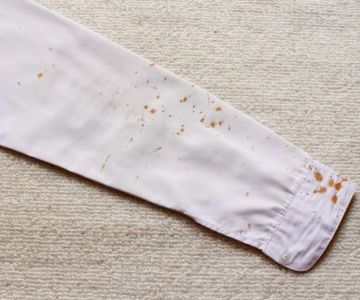
A restaurant worker once shared how spilled marinara sauce on a white uniform was fully removed simply by rinsing with cold water immediately and applying a mild detergent within minutes. The difference between immediate action and delay was the difference between saving and losing the fabric.
How to Remove Food Stains from Clothing Effectively
Understanding Fabric Sensitivity
Not all fabrics react the same way to cleaning. Cotton is forgiving, while silk or wool requires delicate handling. Choosing the right approach is critical in clothing stain cleaning.
Step-by-Step Emergency Cleaning Method
When a stain occurs on clothing, start by gently scraping off solid residue. Then apply a small amount of dish soap mixed with cold water directly onto the stain. Let it sit for a few minutes before rinsing.
For stubborn grease stains, baking soda can be used as an absorbent layer before washing. This method is especially effective for oil-based foods like salad dressing or fried items.
Carpet and Upholstery Stain Challenges
Why Carpets Are More Difficult to Clean
Unlike clothing, carpets and upholstery trap liquid deeper into fibers and padding. This makes carpet food stains more persistent and harder to remove quickly.
Targeted Cleaning Without Spreading
The biggest mistake people make is over-wetting the area. Instead, use small amounts of cleaning solution and blot repeatedly. A mixture of white vinegar and water often works well for organic stains like sauces or beverages.
A homeowner once spilled chocolate milk on a light-colored couch during a family gathering. Instead of panicking, they used alternating blotting and vinegar solution every few minutes. The stain disappeared without leaving a mark, proving that patience matters as much as cleaning products.
Kitchen Surfaces and Everyday Spill Control
Grease and Oil-Based Stains
Kitchen counters often deal with greasy stains from cooking oils and sauces. Dish soap remains one of the most effective solutions because it breaks down fat molecules quickly.
Coffee, Tea, and Dark Liquid Spills
These stains require immediate wiping followed by a mild acidic cleaner. Lemon juice or diluted vinegar can help lift pigmentation before it sets into surfaces.
Many households underestimate how quickly kitchen stains can become permanent if left overnight. Fast response is always the deciding factor.
Natural vs Chemical Cleaning Solutions
When Natural Solutions Work Best
Baking soda, vinegar, and lemon juice are excellent for light to moderate stains. They are safe, affordable, and widely available.
When Commercial Cleaners Are Necessary
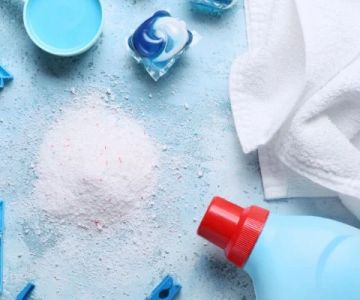
For deeply embedded stains or synthetic fabric damage, specialized cleaning agents may be required. These products are formulated for stronger stain breakdown without harming surfaces.
Balancing natural and chemical approaches gives homeowners flexibility depending on the severity of the stain.
Real-Life Cleaning Scenarios That Change Perspective
The Office Lunch Spill Incident
An office worker spilled chili sauce on a white shirt right before an important meeting. Instead of panicking, they used cold water and dish soap from the office pantry. Within 10 minutes, the stain was nearly invisible.
The Weekend Family Dinner Accident
During a large family dinner, red wine spilled on a dining chair. Quick action using salt absorption followed by vinegar solution prevented permanent staining. This simple response saved an expensive piece of furniture.
These situations highlight a consistent truth: knowing how to remove food stains quickly is more about preparation than luck.
Expert Cleaning Advice for Long-Term Results
Consistency Over Intensity
Cleaning experts often emphasize gentle repeated cleaning instead of harsh scrubbing. This preserves fabric and surface integrity while still removing stains effectively.
Choosing the Right Cleaning Kit at Home
Every household benefits from having a basic stain removal kit: dish soap, vinegar, baking soda, microfiber cloths, and a soft brush. This preparation reduces reaction time during emergencies.
For those looking to upgrade their cleaning tools or explore more effective stain removal solutions, curated home care resources and product guides can provide valuable guidance and recommendations tailored to different household needs.
Building Better Habits to Prevent Future Stains
Simple Preventive Actions
Using napkins, placemats, and spill-proof containers reduces accidental stains significantly. Awareness during eating or cooking is often the most effective prevention strategy.
Teaching Household Response Habits
Families that train children to respond quickly to spills—by blotting instead of rubbing—often experience fewer permanent stains over time.
With the right habits and understanding, stain emergencies become manageable instead of stressful events.




 Spin & Dry Laundry4.0 (12 reviews)
 Hiru(හිරු) Laundry Sigiriya5.0 (3 reviews)
 Rajarata Washing Industries (Pvt) Ltd5.0 (3 reviews)
 Queens Laundry - Gatambe3.0 (128 reviews)
 Kishanthy Laundry3.0 (3 reviews)
 Senanayaka2.0 (17 reviews)
 Common Laundry Problems and How to Solve Them Efficiently
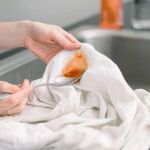 Smart Ways to Remove Tomato Sauce Stains From White Shirts – Expert Tips
 What’s the Best Way to Wash Clothes for Sensitive Skin
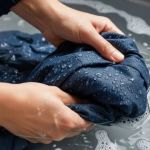 Why Are My Clothes Not Absorbing Water Properly and How to Fix It
 Expert Advice on Washing Cotton Shirts Without Shrinking
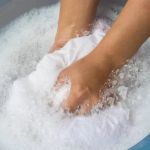 Smart Ways to Clean Clothes Effectively Without Overwashing