
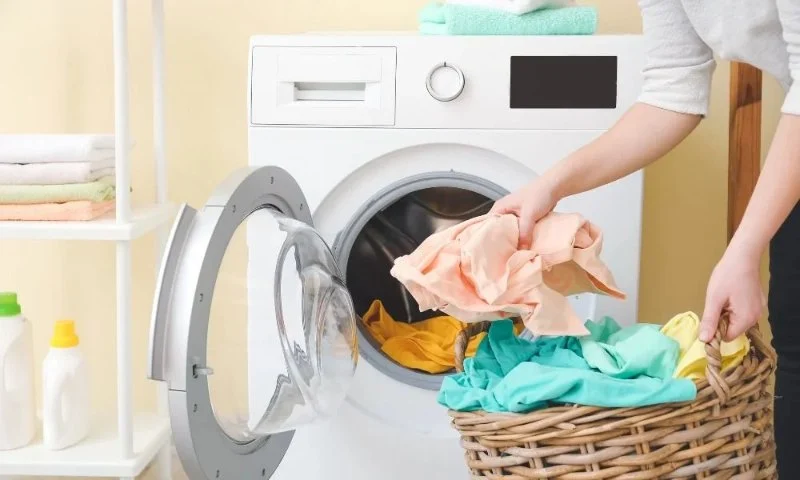
1. Clothes Not Looking Clean? The Problem May Not Be Your Clothes
You take your clothes out of the washing machine expecting that fresh, clean feeling, but something feels wrong. Your shirts still look dull, your towels smell strange, and your favorite clothes no longer seem as bright as they used to be. If you have ever wondered, "Why are my clothes not looking clean after washing?" you are not alone.
Many people assume the solution is simple: add more detergent, use a stronger cycle, or wash clothes again. However, the real problem is often hidden in everyday laundry habits. Small mistakes involving detergent amounts, washing machine maintenance, water temperature, and fabric care can gradually reduce cleaning performance.
Modern washing machines are designed to save water and energy, but this also means they require better laundry habits. Using too much detergent or overloading the machine can actually make clothes appear dirtier instead of cleaner.

1.1 Overloading the Washing Machine
One of the most common reasons clothes are not coming out clean is placing too many items in one load. Many people try to save time by filling the drum completely, but crowded clothes cannot move freely during the wash cycle.
The washing machine needs space for water and detergent to circulate around each item. When clothes are packed tightly together, dirt, body oils, and detergent residue may remain trapped inside the fabric.
For example, a family with children may quickly fill the washing machine after a busy week. While washing everything at once seems efficient, splitting the laundry into smaller loads often produces noticeably better results.

ECO Clean Laundry Service & Tuk Tuk service Nilaveli
NilaveliTrincomaleeEastern Province
Fathah road, Nilaveli 31010, Sri Lanka
1.2 Using the Wrong Washing Cycle
Another common mistake is choosing the same cycle for every type of clothing. Different fabrics and levels of dirt require different washing approaches.
A gentle cycle may protect delicate fabrics but may not remove heavy stains from sports clothing. On the other hand, using an aggressive cycle repeatedly on delicate fabrics can cause fading and damage.
Understanding your washing machine settings is one of the easiest ways to improve laundry results without buying new products.
2. Hidden Washing Machine Problems That Affect Cleaning Results
Many people clean their homes regularly but forget that the appliance responsible for cleaning their clothes also needs maintenance. A washing machine can collect detergent buildup, fabric softener residue, bacteria, and trapped moisture over time.
2.1 A Dirty Washing Machine Can Make Clothes Smell Bad
If your washing machine has a musty smell, there is a good chance that odor is transferring to your clothes. The rubber door seal, detergent drawer, and internal areas of the machine can collect moisture and residue.
This problem is especially common with front-loading washing machines because their design creates areas where water can remain trapped.
Running a regular cleaning cycle and leaving the door open after washing can help prevent moisture buildup.
2.2 Detergent Residue Inside the Machine
Many people believe more detergent means cleaner clothes. In reality, excessive detergent can create the opposite effect.
When too much detergent is used, the washing machine may not rinse everything away. A layer of soap residue can remain on clothing fibers, attracting dirt and making fabrics appear cloudy or stiff.
This is one reason why clothes sometimes feel heavy or look faded even after washing.
2.3 The Importance of Regular Appliance Care
A washing machine is an investment, and proper maintenance improves both cleaning performance and appliance lifespan.
Simple habits such as cleaning detergent compartments, checking filters, and running maintenance cycles can make a noticeable difference.
3. Detergent and Water Problems That Prevent Clothes From Getting Clean
Detergent is an important part of laundry, but choosing and using it correctly matters. Many laundry problems come from misunderstanding how cleaning products interact with fabrics and water conditions.
3.1 Too Much Detergent Can Create More Dirt
Using extra detergent may seem like a good idea when clothes are heavily stained, but it often creates excess foam and residue.
The result can include:
- Clothes that feel sticky
- White marks on dark fabrics
- Strange odors after drying
- Reduced fabric softness
Following the recommended detergent amount usually provides better cleaning performance.
3.2 Hard Water and Laundry Performance
Water quality also affects how well laundry products work. Hard water contains minerals that can interfere with detergent performance.
People living in areas with hard water may notice:
- Dull-looking clothing
- Rough towels
- Soap buildup
- Colors losing brightness
Understanding your home's water quality can help explain why your laundry results are different from what you expect.
3.3 Choosing the Right Laundry Products
Different clothes require different solutions. Heavy-duty clothing, delicate fabrics, towels, and athletic wear all have unique cleaning needs.
Instead of choosing products based only on advertising claims, consider your actual laundry habits. A household with active family members may need different solutions compared with someone washing mostly office clothing.
4. Better Fabric Care Habits for Cleaner Clothes
Keeping clothes looking fresh is not only about the washing machine. How you sort, prepare, wash, and dry clothing has a major impact on appearance and lifespan.
4.1 Sort Clothes Properly
Sorting laundry by color is important, but there are other factors to consider. Washing heavily dirty items separately from lightly worn clothing can improve results.
For example, muddy outdoor clothes should not always be washed together with delicate everyday shirts. Different levels of dirt require different approaches.
4.2 Avoid Leaving Wet Clothes Too Long
A common mistake is forgetting clothes inside the washing machine after the cycle finishes. Damp clothing sitting in a closed machine can quickly develop unpleasant odors.
Moving clothes to the dryer or drying area soon after washing helps maintain freshness.
4.3 Protect Fabric Quality
Sometimes clothes look dirty because the fabric itself has been damaged. Repeated exposure to harsh washing conditions can cause colors to fade and fibers to weaken.
Using appropriate cycles, avoiding unnecessary heat, and following care labels can help clothes maintain their original appearance longer.
5. A Real Example of Why Laundry Results Can Change
Consider a busy household where a family noticed that their white shirts were becoming gray and their towels smelled unpleasant even after washing. At first, they thought the detergent was not strong enough and increased the amount they used.
However, the problem became worse. More detergent created additional residue, and the washing machine developed more buildup.
After changing their routine, they reduced detergent amounts, cleaned the washing machine regularly, separated heavily soiled items, and stopped overloading loads.
Within a few weeks, their laundry looked brighter and smelled fresher. The solution was not a stronger chemical product. It was improving the overall washing process.
5.1 What This Shows About Laundry Care
Laundry problems are often caused by a combination of small habits rather than one major mistake. Understanding how your washing machine, detergent, water, and fabrics work together allows you to achieve better results.
6. How to Get Clothes That Look Fresh and Clean Again
If your clothes are not looking clean, do not immediately assume you need a new washing machine or expensive cleaning products. Start by examining your laundry routine.
Ask yourself:
- Am I overloading my washing machine?
- Am I using the correct detergent amount?
- Have I cleaned my washing machine recently?
- Am I choosing the right cycle for each fabric?
- Is my water quality affecting results?
Small improvements can create significant changes. Clean laundry is the result of a complete system working properly, not just one product or one setting.
6.1 Improving Your Laundry Routine With Better Solutions
For people who want consistently better washing results, choosing quality laundry care products and understanding proper maintenance can make daily routines easier.
Whether you are dealing with dull colors, unpleasant odors, detergent buildup, or fabrics that no longer feel fresh, the right laundry solutions can help restore confidence in your clothes.
If your clothes are not looking clean and you are ready to improve your laundry routine, explore trusted laundry care options and discover products designed to help your fabrics look fresher, cleaner, and longer-lasting. Learn more about effective solutions today and find the right products to upgrade your everyday washing experience.




 Ceylon Organic Batik (Natural )5.0 (2 reviews)
 Kleen Laundry5.0 (74 reviews)
 LAUNDERETTE BY DOBI MASTER4.0 (371 reviews)
 Seya Laundry Mart5.0 (1 reviews)
 Kunam Loundry service5.0 (3 reviews)
 Senkadagala Washing Plant (pvt)Ltd.4.0 (12 reviews)
 Effective Tips to Prevent Clothes from Shrinking in the Wash
 Make Laundry Easier and Stress-Free at Home
 How to Remove Red Wine Stains From Dark Fabrics
 Why Clothes Feel Sticky After Washing and How to Fix It
 Expert Tips for Washing Silk Blouses Without Causing Damage" (70 characters or less).
 Why Clothes Often Feel Sticky After Drying and How to Fix It