
- Why Wash Baby Blankets Properly?
- Types of Baby Blankets
- Step-by-Step Guide for Washing Baby Blankets
- Common Mistakes to Avoid When Washing Baby Blankets
- Tips for Keeping Baby Blankets Soft and Fresh
- When to Choose Professional Laundry Services
Why Wash Baby Blankets Properly?
Baby blankets are essential items that provide warmth, comfort, and security to your little one. Since babies have sensitive skin, it’s important to wash their blankets with extra care to avoid any irritation or discomfort. Improper washing can lead to shrinkage, fabric damage, or loss of softness, making the blanket less effective at keeping your baby cozy.
Additionally, washing baby blankets properly helps remove dirt, oils, and allergens, ensuring that the blanket remains hygienic. Babies spend a lot of time wrapped up in their blankets, so maintaining their cleanliness and softness is crucial for their health and well-being.

Types of Baby Blankets
Before you start washing your baby’s blanket, it’s important to understand the type of fabric it's made from. Different materials require different care to avoid damage. Common baby blanket materials include:
1. Cotton Blankets
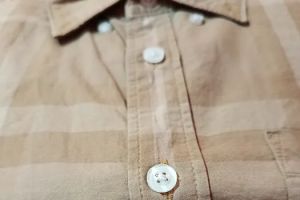
Cotton is a soft, breathable fabric that is gentle on a baby’s skin. It’s a popular choice for baby blankets because it is lightweight and comfortable. However, cotton blankets can shrink if washed in hot water or dried on high heat.
2. Fleece Blankets
Fleece blankets are warm and soft, making them ideal for colder weather. They are made from synthetic materials, so they may not shrink as much as cotton. However, they can lose their softness or develop pilling if not washed correctly.
3. Wool Blankets
Wool is a natural fiber known for its warmth and softness. It is often used for high-quality baby blankets. However, wool is delicate and can shrink or felt if exposed to hot water or harsh washing methods.
4. Knitted Blankets
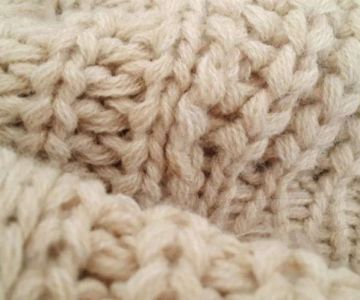
Knitted blankets, often made from cotton or wool, provide extra stretch and softness. These blankets can stretch out of shape if not washed properly, especially when machine washed.
Step-by-Step Guide for Washing Baby Blankets
Follow these steps to wash your baby’s blanket without shrinking it:
1. Check the Care Label
Always start by checking the care label on the blanket. The manufacturer will provide important instructions about washing temperature, drying methods, and fabric-specific care tips.
2. Wash in Cold Water
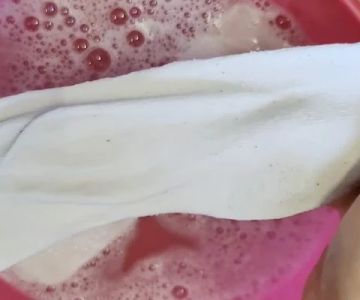
To prevent shrinkage, always wash baby blankets in cold water. Cold water is gentler on fabrics and helps maintain their size and softness. Avoid using hot water, as it can cause fibers to contract, leading to shrinkage.
3. Use Mild Detergent
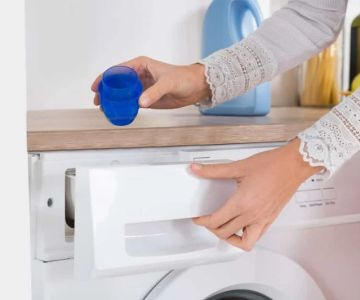
Use a gentle, baby-safe detergent to avoid irritating your baby’s sensitive skin. Harsh chemicals in regular detergents can damage delicate fabrics and lead to skin reactions. Mild detergents are designed to clean effectively without causing harm to soft materials.
4. Avoid Fabric Softener
While fabric softeners can make your blankets feel softer, they can also leave residues that irritate your baby’s skin. It’s best to skip fabric softeners when washing baby blankets to maintain fabric integrity and avoid allergic reactions.
5. Dry Properly
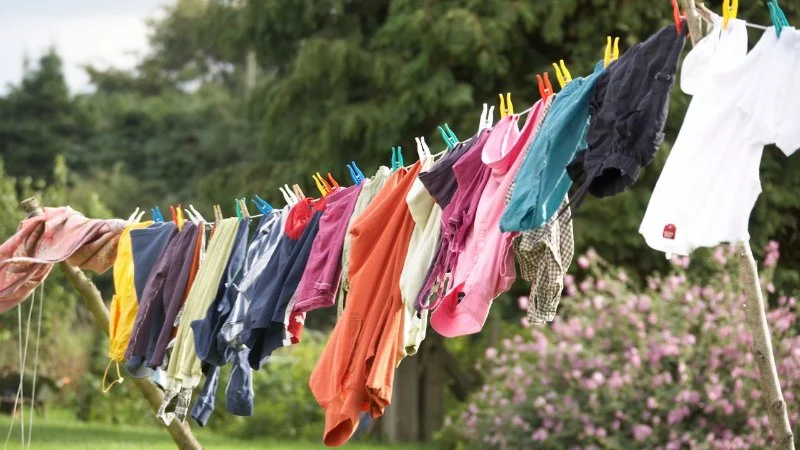
Air drying is the safest option for most baby blankets. Lay the blanket flat on a clean surface or hang it up to dry. Avoid wringing or twisting the blanket, as this can cause stretching or misshaping.
If you must use a dryer, choose a low-heat or air-dry setting. High heat can cause shrinkage, especially with cotton and wool fabrics.
Common Mistakes to Avoid When Washing Baby Blankets
Even with the best intentions, some common mistakes can ruin your baby’s blanket. Here’s what to avoid:
1. Washing with Hot Water
As mentioned earlier, hot water can cause shrinkage. Always use cold or lukewarm water to wash baby blankets, especially if they’re made of cotton or wool.
2. Overloading the Washing Machine
Overloading the washer can prevent your baby’s blanket from getting a proper clean. It also puts unnecessary stress on the fabric, which can cause stretching or damage. Wash baby blankets separately from other laundry items for the best results.
3. Using Harsh Chemicals
Detergents and fabric softeners with harsh chemicals can damage delicate fabrics and irritate your baby’s skin. Stick to natural, baby-friendly products to avoid any unwanted effects.
Tips for Keeping Baby Blankets Soft and Fresh
To ensure your baby’s blanket stays soft and comfortable for as long as possible, follow these extra tips:
1. Regularly Clean and Freshen
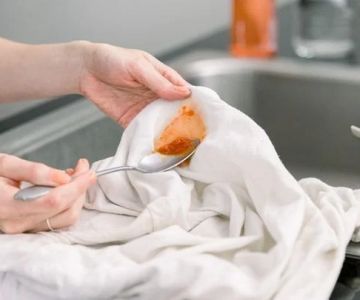
Wash your baby’s blanket regularly to keep it fresh, but avoid over-washing, as this can wear down the fabric. Spot clean minor stains if needed, rather than washing the entire blanket.
2. Use a Fabric Shaver for Pilling
If your baby’s fleece or knitted blanket develops pills, use a fabric shaver to gently remove them. This will keep the blanket looking neat and maintain its soft texture.
3. Store Blankets Properly
When not in use, store baby blankets in a dry, cool place. Avoid folding them tightly or placing them in humid areas, as this can cause the fabric to lose its shape.
When to Choose Professional Laundry Services
If you’re unsure about washing a delicate baby blanket, or if it’s heavily soiled, consider professional cleaning services. Some fabrics, such as wool or high-quality knit blankets, may require special care to avoid shrinking or damage. Professional cleaners are equipped to handle these materials with the proper techniques.
For convenience and peace of mind, visit Sigiri Laundry, where we specialize in baby blanket cleaning with care and attention to detail.
 Srimal electrical5.0 (1 reviews)
 Laundry service3.0 (3 reviews)
 Yogan stores & Laundry Service4.0 (43 reviews)
 Super Clean Laundry Services4.0 (48 reviews)
 Kunam Loundry service5.0 (3 reviews)
 KARISHMAN QUICK WASH LAUNDRY4.0 (19 reviews)
 Tips for Washing Cotton Towels So They Stay Soft
 How to Wash Silk Scarves Without Fraying
 Quick Ideas to Remove Red Wine Stains From Cotton Shirts
 How to Effectively Remove Coffee Stains from Wool Sweaters
 How to Remove Oil Stains From Cotton Shirts Quickly: Expert Tips
 How to Remove Red Wine Stains From White Cotton Shirts