
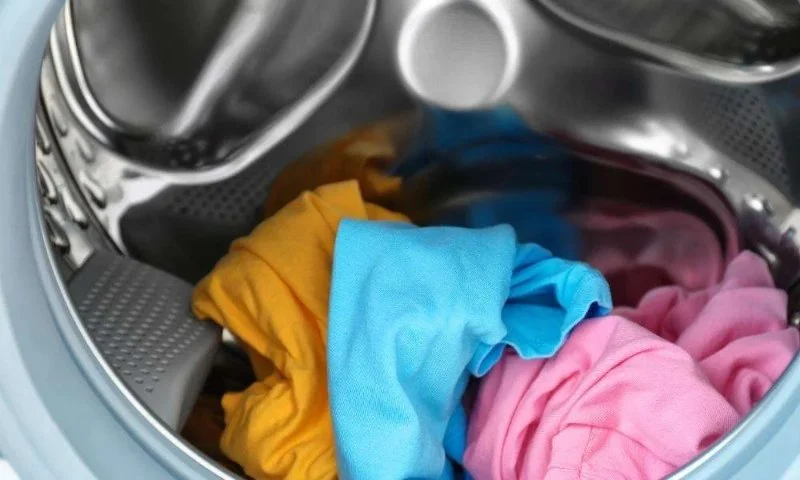
Summer Laundry Habits That Keep Clothes Fresh in Heat
- 1 - Heat & humidity impact on fabrics and why smell builds faster
- 2 - Detergent habits that quietly damage your clothes
- 3 - Washing machine overload problems most people ignore
- 4 - Smarter drying strategies in hot and humid weather
- 5 - Real-life laundry mistake that ruined summer wardrobes
- 6 - Building a reliable summer fabric care routine
- 7 - Choosing better laundry tools for hot-weather care
Heat & humidity impact on fabrics and why smell builds faster
The hidden chemistry behind sweaty summer laundry
When temperatures rise, clothes don’t just get dirty faster—they also become a breeding ground for odor-causing bacteria. In hot weather, sweat doesn’t evaporate quickly, which means it stays trapped inside fibers longer. That’s exactly why many people searching for What's the Best Way to Wash Clothes in Hot Weather notice that even freshly washed clothes can smell “off” after drying.
Seya Laundry Mart
PolonnaruwaNorth Central Province
71 Maradankadawala-Habarana-Thirukkondaiadimadu Hwy, Polonnaruwa, Sri Lanka
Why synthetic fabrics struggle more in summer
Polyester and blended fabrics tend to hold onto oils and bacteria. In humid conditions, these materials dry slowly, which gives microorganisms more time to multiply. Natural fabrics like cotton still perform better, but even they need adjusted washing habits during peak heat seasons.

KARISHMAN QUICK WASH LAUNDRY
NO 70, Trinco Blue Hotel, Allesgarden, Road, Trincomalee 31006, Sri Lanka
Detergent habits that quietly damage your clothes
More detergent doesn’t mean cleaner clothes
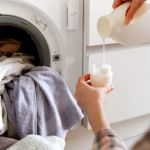
One of the most common misconceptions is that extra detergent improves cleaning. In reality, excess soap gets trapped in fibers, especially when water temperatures are high. This residue becomes sticky under heat, attracting more dirt and creating long-term fabric wear.
Hot-weather washing needs smarter balance
In summer laundry cycles, using slightly less detergent combined with longer rinse cycles often produces better results. This simple adjustment helps maintain fabric softness while preventing hidden buildup that shortens clothing lifespan.
Washing machine overload problems most people ignore
Why stuffing the drum causes permanent fabric stress
Many households overload their washing machines during hot months to “save time.” But overcrowding prevents clothes from moving freely, meaning detergent and water cannot circulate properly. Over time, this leads to uneven cleaning and increased fabric friction.
Real impact on modern appliances
Even advanced machines from brands like
Smarter drying strategies in hot and humid weather
Sunlight is helpful—but not always enough
Direct sunlight can naturally disinfect clothes, but in humid climates, drying too slowly can trap moisture inside fibers. This is where many people feel confused about What's the Best Way to Wash Clothes in Hot Weather—it’s not just about washing, but how you finish the process.
Airflow matters more than temperature
Strong ventilation often outperforms heat alone. Hanging clothes with enough spacing allows air to move through fabrics, preventing that damp smell that often appears even after a full wash cycle.
Real-life laundry mistake that ruined summer wardrobes
A relatable story from a coastal summer apartment
A common case comes from people living in humid coastal cities. One renter shared how their entire wardrobe developed a persistent mildew smell after repeatedly drying clothes indoors without ventilation. Even after multiple rewashes, the smell returned within hours.
What actually went wrong
The issue wasn’t detergent or washing machine quality—it was a combination of overloaded loads, slow drying, and trapped moisture. Once they switched to smaller loads and improved airflow, the problem disappeared within a week.
Building a reliable summer fabric care routine
Small adjustments that make a big difference
A consistent routine in hot weather is more effective than occasional deep cleaning. Separating sweaty clothes immediately, avoiding long delays before washing, and choosing shorter cycles can dramatically improve fabric freshness.
Why timing matters more than people think
Leaving damp clothes in a washing machine for even a few hours in summer heat can cause bacteria growth. This is one of the fastest ways clothes develop odor that feels impossible to remove later.
Choosing better laundry tools for hot-weather care
Technology that actually helps in humid climates
Modern washers with moisture-sensing and quick-wash functions are designed specifically for unpredictable climates. These features help reduce over-washing and improve rinse efficiency, especially when humidity is high.
When upgrading makes sense
If clothes consistently feel damp or smell off despite good habits, the issue may be equipment limitations. In that case, exploring newer washing systems from established appliance makers can significantly improve results and reduce long-term fabric damage.
Why this matters for everyday wardrobes
Understanding What's the Best Way to Wash Clothes in Hot Weather is not just about cleanliness—it directly affects how long your favorite outfits last, how they feel on skin, and how confident you feel wearing them in summer conditions.
For anyone struggling with persistent odor, fabric damage, or slow drying in hot seasons, exploring upgraded washing solutions and more efficient laundry systems can make a noticeable difference. Learning the right approach today helps protect your wardrobe investment for years to come.



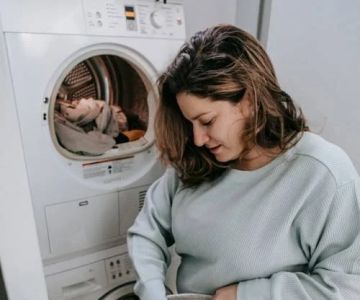
 Wash Master3.0 (125 reviews)
 Romantic laundry outlet5.0 (1 reviews)
 Home stay laundry4.0 (10 reviews)
 land sale4.0 (1 reviews)
 Quick & clean laundry2.0 (5 reviews)
 Laundry service3.0 (3 reviews)
 How to Wash Kids’ Uniforms So They Stay Bright
 Best Ways to Organize Laundry at Home for a Tidy and Efficient Space
 Tackle Laundry Overload With This Simple and Effective Plan
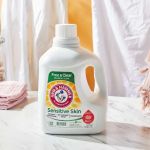 Best Detergents for Sensitive Skin in Sri Lanka: Gentle Care Guide
 Clothes Not Looking Clean? Here's What's Wrong | Laundry Tips and Solutions
 Clothes Not Looking Clean? Discover Common Laundry Mistakes