
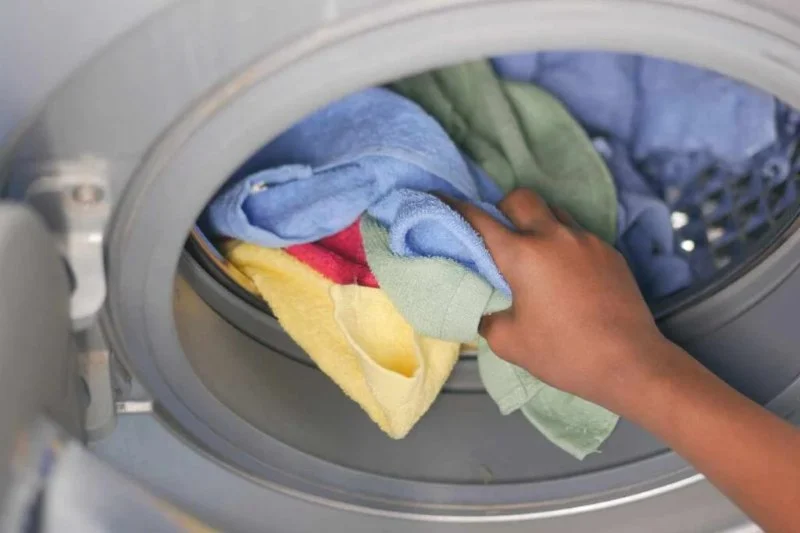
When a Simple Wash Becomes a Hidden Laundry Problem
- load-size-basics - Understanding why laundry loads matter beyond just “fitting everything in”
- overloading-signs - How to recognize when your washer is being pushed too far
- washing-results-impact - Why clothes stop coming out clean even when detergent is used correctly
- fabric-protection - How load size affects clothing lifespan and texture
- smarter-laundry-habits - Practical changes that improve every wash cycle
The Moment Most People Realize Something Is Off
It usually starts with frustration. You pull clothes out of the washer expecting freshness, but instead notice faint odors, twisted fabric, or detergent still clinging to darker items. This is where many households first realize a simple truth: Your Laundry Might Be Too Much for One Load.
A common story comes from a small apartment in Chicago, where a college student tried to save time by stuffing everything into one weekly wash. Towels, jeans, hoodies, and bedsheets all went in together. The result wasn’t efficiency—it was rewashing half the batch. That moment changed how they approached laundry forever.
Why Overloading Changes Everything Inside the Machine
1. Water circulation gets blocked
Washing machines rely on space. Water and detergent need room to move freely through fabrics. When the drum is packed too tightly, circulation weakens, and dirt stays trapped inside clothing fibers.
2. Detergent loses its effectiveness
Even high-quality detergent cannot work properly if it cannot distribute evenly. Overloading creates “dry pockets” where clothes barely touch water or soap.
3. Mechanical strain increases
A consistently overloaded machine wears down faster. Bearings, motors, and internal components work harder than intended, reducing lifespan and efficiency over time.
How to Tell When You’re Doing Too Much in One Load
Clothes come out wrinkled and tangled
If your laundry looks like a compressed bundle rather than separate items, the drum was likely overfilled. Movement is restricted, so fabrics twist into tight clusters.
Persistent odors even after washing
When water cannot fully penetrate thick areas, sweat and bacteria remain trapped. This is especially noticeable in gym clothes and towels.
Soap residue on dark fabrics
A clear sign of poor rinsing is white streaks or patches left behind, often seen when loads exceed recommended capacity.
The Hidden Cost of Ignoring Load Size
Laundry mistakes often feel small, but they add up. Clothes wear out faster, colors fade unevenly, and fibers lose softness. In one real-world example shared by a New York apartment resident, repeated overloading caused expensive wool sweaters to shrink unevenly within just a few months.
What seemed like “saving time” actually led to more replacements and higher clothing expenses over the year.
Smarter Laundry Habits That Actually Work
Sort by fabric weight, not just color
Heavy fabrics like denim and towels behave very differently from light cotton or synthetics. Mixing them often leads to imbalance, which reduces cleaning performance.
Leave visible space in the drum
A simple rule: your hand should fit comfortably at the top of the drum when clothes are inside. If it doesn’t, the load is too full.
Use smaller cycles more strategically
Instead of one large load, splitting laundry into two balanced cycles often delivers better cleaning results and reduces fabric damage.
Why Small Adjustments Make a Big Difference
People often underestimate how sensitive washing machines are to load size. The difference between “almost full” and “properly filled” can completely change cleaning quality.
Once you adjust your habits, you begin to notice improvements immediately: fresher-smelling clothes, softer fabrics, and fewer rewash cycles. Even energy and water usage becomes more efficient, which benefits both your utility bills and your appliance lifespan.
Real-Life Shift: From Laundry Stress to Routine Control
A couple living in a compact Seattle apartment once struggled with constant laundry backlog. They believed fewer loads meant better efficiency. After consistently dealing with damp-smelling towels and stretched-out shirts, they revisited their approach.
By reducing each load size by just 20–30% and separating fabrics more carefully, their laundry experience changed dramatically. No more rewashing, no more detergent waste, and significantly better fabric quality over time.
When Better Laundry Starts With Better Awareness
Laundry isn’t just a household chore—it’s a system that depends on balance. Recognizing that Your Laundry Might Be Too Much for One Load is often the first step toward improving the entire process.
If you're looking to upgrade your laundry routine, exploring efficient washing solutions and fabric care essentials can make a noticeable difference. Platforms like Reliable Damage Hub offer helpful resources and product options designed to improve home maintenance routines and protect your everyday essentials.
A small adjustment today can prevent long-term fabric damage and unnecessary costs tomorrow. The key is not doing more laundry—it’s doing it smarter.




 Senanayaka2.0 (17 reviews)
 The laundry room2.0 (7 reviews)
 LAUNDERETTE BY DOBI MASTER4.0 (371 reviews)
 Dammi Laundry5.0 (14 reviews)
 Rajarata Washing Industries (Pvt) Ltd5.0 (3 reviews)
 Sea & shine Laundry4.0 (8 reviews)
 Clothes Smell Bad After Drying? Here's What to Do Next
 How to Remove Ink Stains From Synthetic Fabrics Easily
 What You Should Never Put in a Washing Machine
 Why Do Clothes Feel Sticky After Using Softener? Causes and Solutions
 How to Get Mustard Stains Out of Clothes at Home
 How to Remove Tomato Sauce Stains From Polyester Fabrics