
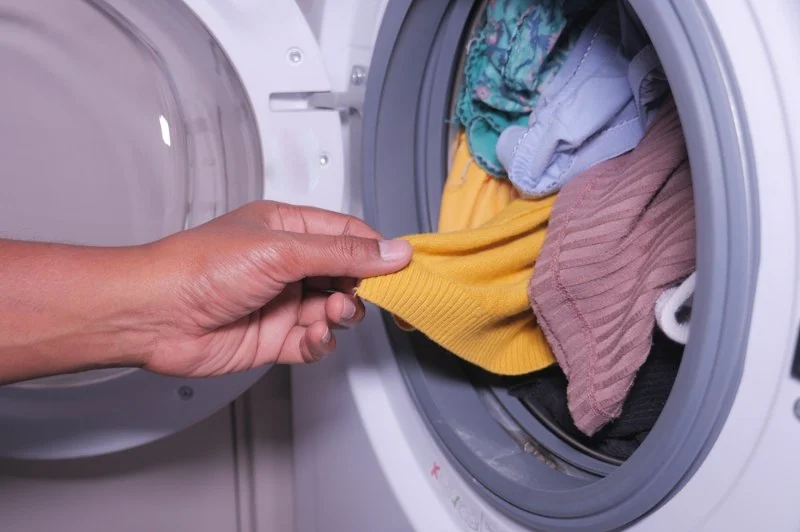
How Overloading Your Laundry Can Harm Your Clothes and Machine
- 1-why-laundry-overload-is-a-problem
- 2-signs-your-laundry-is-too-heavy
- 3-real-life-examples-of-overloaded-laundry
- 4-effects-on-washing-machine-performance
- 5-tips-for-managing-laundry-loads
- 6-expert-advice-on-laundry-efficiency
- 7-why-splitting-laundry-improves-results
- 8-encouraging-smart-laundry-habits
1. Why Laundry Overload Is a Problem
Many households attempt to wash all their clothes in one cycle to save time. However, your laundry might be too heavy for one load, causing incomplete cleaning and excessive wear on fabrics. Overloading prevents detergent from circulating properly and reduces the mechanical action necessary to remove dirt effectively.

1.1 Impact on Clothes
Heavy loads increase friction between garments, leading to stretched seams, faded colors, and fabric pilling. Delicate items are particularly vulnerable when buried under larger, heavier items like towels and jeans.

1.2 Strain on the Machine
Excess weight stresses your washing machine’s motor, drum, and suspension system. Over time, repeated overloading can lead to costly repairs or a shortened lifespan for your appliance.
2. Signs Your Laundry Is Too Heavy
Knowing the warning signs helps prevent damage before it occurs.
2.1 Poor Cleaning Results
If clothes emerge still dingy or detergent residue remains, it may be a sign that your laundry is too heavy for one load.
2.2 Excessive Vibration or Noise
An overloaded washer will often vibrate excessively or make unusual noises during cycles, which indicates strain on the drum and motor.
2.3 Uneven Spin
Clothes may clump together and remain wet in certain areas. Overloading disrupts the balance of the spin cycle, leaving garments damp and potentially causing mildew growth.
3. Real-Life Examples of Overloaded Laundry
Consider the story of Sarah, a busy mom of three. Attempting to wash two baskets of laundry at once, she discovered her towels were still dirty after a cycle, and her washing machine vibrated violently. Splitting the laundry into two smaller loads dramatically improved both cleanliness and machine performance.
3.1 College Dorm Laundry
In shared dorms, students often cram large laundry bags into small machines. This leads to poor results and frequent machine errors, highlighting the importance of proper load management even in tight spaces.
4. Effects on Washing Machine Performance
Overloading compromises the mechanical efficiency of your washer. Detergent disperses unevenly, water cannot circulate effectively, and clothes do not tumble freely.
4.1 Energy and Water Waste
Heavy loads require longer cycles, higher water usage, and additional rinse cycles. This increases energy bills and environmental impact.
4.2 Maintenance Concerns
Continuous overloading can lead to broken belts, motor burnout, or damaged drums. Timely attention to load size preserves both your appliance and your investment in clothing.
5. Tips for Managing Laundry Loads
Proper planning prevents overload and improves washing results.
5.1 Weighing the Load
Most washing machines have weight limits in the manual. Stick to recommended capacities and avoid packing clothes tightly.
5.2 Sorting by Fabric Type
Separate heavy items like jeans and towels from delicate fabrics. This prevents damage and allows for optimal detergent action on each load type.
5.3 Using Smaller Loads Strategically
Smaller loads allow better water circulation, cleaner results, and less strain on the machine. Even if it means running two cycles instead of one, the benefits far outweigh the inconvenience.
6. Expert Advice on Laundry Efficiency
Laundry specialists emphasize the importance of balance. Dr. Emily Hayes, a home appliance expert, explains, “Overloading is the most common mistake that reduces cleaning efficiency. By splitting loads, users achieve better stain removal, reduce fabric wear, and extend the life of their machines.”
6.1 Detergent Optimization
Experts also recommend adjusting detergent amounts based on load size. Too little detergent on a large load results in residue; too much detergent on a small load can leave a film on clothes.
6.2 Choosing the Right Cycle
Select cycles that match both load size and fabric type. High-efficiency washers perform best when loads are appropriately sized.
7. Why Splitting Laundry Improves Results
Dividing laundry into manageable loads allows water, detergent, and motion to work efficiently. Your clothes come out cleaner, fresher, and less worn, while your machine operates without stress.
7.1 Practical Application
For example, instead of washing a massive mixed load of towels, jeans, and t-shirts, separate them into three loads. This ensures proper cleaning and reduces the risk of damp spots or detergent residue.
8. Encouraging Smart Laundry Habits
Understanding that your laundry might be too heavy for one load is the first step toward smarter laundry routines. By splitting loads, sorting fabrics, and following weight recommendations, you protect your clothes and your machine.
8.1 Taking Action
Upgrade your laundry routine today by following expert advice and practical tips. Explore high-quality washers and detergents designed for optimal efficiency. Learn more and see our recommended products to make every load clean, balanced, and stress-free.






 LOTUS LAUNDRY CHEMICALS5.0 (1 reviews)
 Jashvin’s Laundry Service4.0 (91 reviews)
 Kani loundry4.0 (39 reviews)
 Red Rose Washing Hub🌹5.0 (4 reviews)
 ^MY SHOES " wash & clean0.0 (0 reviews)
 FASHION DRY CLEAN - LAUNDRY MART4.0 (1 reviews)
 How to Wash Curtains Without Shrinking or Wrinkling Them
 How to Wash Workout Clothes Without Retaining Smell
 How to Remove Ink Stains From Cotton Clothing at Home
 Clothes Not Drying Quickly? Effective Tips to Speed Up Laundry
 How to Wash Hoodies With Fleece Lining Correctly
 How to Remove Red Wine Stains From Dark Fabrics: Expert Tips and Tricks