

- 1-Understanding-Sweat-Odor
- 2-Common-Causes-of-Lingering-Smell
- 3-Pre-Wash-Strategies
- 4-Washing-Techniques-for-Odor
- 5-Natural-Remedies
- 6-Sportswear-and-Technical-Fabrics
- 7-Drying-and-Storage-Tips
- 8-Real-Life-Experiences
- 9-Recommended-Products
- 10-Daily-Laundry-Habits
Keeping Your Laundry Fresh: Solutions for Clothes That Smell Like Sweat After Washing
1. Understanding Sweat Odor
Clothes smelling like sweat even after washing is a common frustration. Sweat contains water, salts, and proteins, which are normally odorless. The unpleasant smell comes from bacteria breaking down proteins and producing odorous compounds. Understanding this process helps in selecting effective solutions.
1.1 Bacteria and Fabric Interaction
Odor-producing bacteria thrive in moisture and warmth. Fabrics like cotton absorb sweat but may retain bacteria if not washed thoroughly. Synthetic materials, such as polyester, can trap oils and bacteria deep within fibers, making odor removal more difficult.
1.2 Environmental Factors
High humidity, improper drying, and storage in enclosed spaces can exacerbate the smell. Awareness of these factors allows for preventive strategies to keep laundry fresh.
2. Common Causes of Lingering Smell
2.1 Detergent Build-Up
Using too much detergent can leave residues that trap sweat and bacteria, contributing to persistent odor. Regularly using the recommended amount is critical.
2.2 Washing at Low Temperatures
Cold washes save energy but may not fully eliminate bacteria and oils, especially in heavily soiled sportswear. Occasionally using warm water helps break down residues and sanitize fabrics.
2.3 Delay Between Washing and Drying
Leaving wet clothes in the washing machine can allow bacteria to multiply, producing a sour smell. Immediate transfer to drying is essential for preventing odor formation.
3. Pre-Wash Strategies
3.1 Soaking Clothes
Soaking sweaty clothes in a mixture of water and baking soda or white vinegar for 30-60 minutes helps neutralize odors and loosen residues before washing.
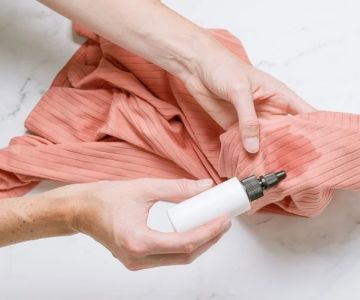
3.2 Spot Treatment
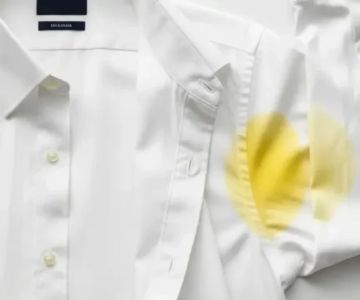
Targeting armpits, collars, and other sweat-prone areas with natural enzymes or gentle pre-treatment sprays enhances odor removal effectiveness during the main wash.
4. Washing Techniques for Odor
4.1 Using Proper Detergents
High-quality detergents designed for odor removal are more effective on protein-based sweat smells. Powder detergents can be better for deep cleaning synthetic fibers.
4.2 Temperature and Cycle Selection
Choosing a warm or hot water cycle occasionally can help break down sweat and oils, especially for sports clothes. For delicate fabrics, combining cold washes with odor-fighting additives works well.
4.3 Double Rinse
Performing a second rinse removes trapped detergent and loosened odor compounds, ensuring a fresher result.
5. Natural Remedies
5.1 White Vinegar
Adding half a cup of white vinegar to the rinse cycle helps neutralize odors. Vinegar's acidic nature balances pH and inhibits bacterial growth.
5.2 Baking Soda
Sprinkling a few tablespoons of baking soda in the wash enhances odor removal and softens fabrics naturally.
5.3 Lemon Juice and Essential Oils
Lemon juice acts as a natural deodorizer, while essential oils like tea tree or lavender add antibacterial properties and a pleasant scent.
6. Sportswear and Technical Fabrics
6.1 Specialized Detergents
Synthetic fabrics require detergents designed to break down oils and sweat residues. Avoid fabric softeners as they can coat fibers, trapping odors.
6.2 Proper Drying Techniques
Air-drying in sunlight is ideal. Sunlight naturally kills bacteria and reduces odor, unlike indoor drying which may leave residual smells.
7. Drying and Storage Tips
7.1 Quick Drying
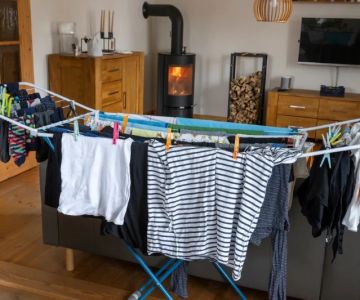
Transferring clothes from washer to dryer or clothesline immediately prevents bacteria from multiplying. Using low heat for synthetics helps maintain fabric integrity.
7.2 Proper Storage
Storing clothes in dry, well-ventilated areas prevents mildew and lingering odor. Avoid tightly packed drawers for clothes that are not fully dry.
8. Real-Life Experiences
8.1 Gym-Goer Testimonial
Alex, a fitness trainer, noticed persistent odor in his sports shirts despite daily washing. By pre-soaking clothes in vinegar, using specialized detergent, and air-drying in sunlight, he eliminated the smell entirely. This demonstrates the importance of combining multiple strategies.
8.2 Family Laundry Challenge
The Smith family struggled with sweaty school uniforms. Introducing baking soda pre-soaks and double rinse cycles drastically improved freshness and avoided chemical-heavy solutions, showing that practical home remedies work effectively.
9. Recommended Products
High-performance odor-removing detergents, pre-treatment sprays, and eco-friendly laundry boosters are recommended. For reliable options and tips, click to explore the latest products at Local Laundry Hub, ensuring your clothes stay fresh, clean, and odor-free.
10. Daily Laundry Habits
Consistency is key to preventing odors. Implement the following routine:
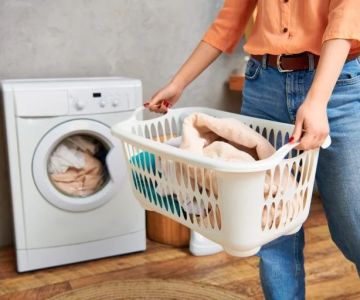
- Sort sweaty clothes separately to prevent cross-contamination.
- Pre-soak odor-prone fabrics before washing.
- Use proper detergent amounts and occasionally increase temperature for thorough cleaning.
- Double rinse and dry immediately in sunlight or ventilated areas.
- Store fully dry clothes in breathable containers.
By following these steps, you can resolve issues related to What Should You Do When Clothes Smell Like Sweat After Washing and enjoy fresh, odor-free laundry every time.

 Hiru(හිරු) Laundry Sigiriya5.0 (3 reviews)
 LAUNDERETTE BY DOBI MASTER4.0 (371 reviews)
 City Laundry Rambukkana5.0 (4 reviews)
 Srimal electrical5.0 (1 reviews)
 University Laundry0.0 (0 reviews)
 Yogan stores & Laundry Service4.0 (43 reviews)
 How to Wash Hoodies Without Causing Color Fading
 How to Remove Tomato Sauce Stains From Polyester Fabrics
 How to Remove Tomato Sauce Stains From Kids’ Clothes
 Clothes Smell Strange After Drying? Fix It Easily
 Clever Hacks for Washing Baby Clothes Safely
 How to Wash Wool Sweaters to Keep Them Soft and Fluffy