
Why Your Laundry Routine Is Failing and How to Fix Common Issues
- laundry-problems-overview
- washing-machine-cleaning-issues
- washer-not-spinning-or-draining
- dryer-performance-problems
- laundry-detergent-and-loading-mistakes
- maintenance-tips-for-better-results
- choosing-better-laundry-solutions
Laundry Not Working as Expected? Start With the Basics
There is nothing more frustrating than pulling clothes out of the washer or dryer and realizing something went wrong. Maybe your shirts still smell musty, towels are not drying completely, stains remain after a full wash cycle, or your machine suddenly starts making strange noises. When your laundry not working as expected becomes a regular problem, the issue may not always be the appliance itself.
Many laundry problems come from a combination of factors, including incorrect settings, overloaded machines, detergent mistakes, clogged components, or aging equipment. Understanding what is happening behind the scenes can help you solve problems faster and prevent unnecessary repairs.
Modern washing machines and dryers are designed to make household chores easier, but they still require proper care and operation. A small mistake, such as using too much detergent or choosing the wrong wash cycle, can affect cleaning performance.
This guide explores common laundry problems, explains why they happen, and provides practical solutions to help you achieve cleaner clothes, better efficiency, and longer appliance life.
Common Signs Your Laundry System Needs Attention
Before replacing an appliance or calling for professional service, look for warning signs that indicate something is not working correctly.
- Clothes come out with stains or odors
- The washing machine leaves clothes soaking wet
- The dryer takes multiple cycles to dry clothing
- The washer makes unusual sounds
- Water remains inside the drum after washing
- Clothing feels rough or damaged after washing
These problems are often easier to fix than homeowners expect. Identifying the cause early can save money and prevent bigger issues later.
Why Your Washer Is Not Cleaning Clothes Properly
One of the most common complaints from homeowners is that their washing machine runs normally but does not deliver clean results. The machine fills with water, completes the cycle, and appears to work, yet clothes still look dirty or smell unpleasant.
1. Choosing the Wrong Wash Cycle
Many modern washers offer numerous settings, including delicate, heavy-duty, quick wash, and energy-saving cycles. While these options provide flexibility, selecting the wrong program can reduce cleaning performance.
For example, a quick wash cycle may be convenient for lightly worn clothing, but it may not provide enough time or water movement for heavily stained items.
Always consider:
- Fabric type
- Amount of dirt
- Load size
- Water temperature requirements
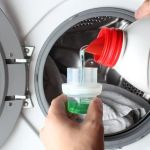
2. Using Too Much or Too Little Detergent
Many people assume that adding extra detergent means cleaner clothes. In reality, too much detergent can create problems.
Excess detergent may leave behind residue that traps odors and makes fabrics feel less fresh. On the other hand, using too little detergent may not remove oils, sweat, and dirt effectively.
High-efficiency washing machines are especially sensitive to detergent amounts because they use less water than older models. Following manufacturer recommendations can significantly improve results.
3. A Dirty Washing Machine Can Affect Laundry
A washing machine cleans clothes, but the machine itself also needs cleaning. Over time, detergent residue, minerals, and moisture can create buildup inside the drum, seals, and detergent compartments.
This buildup can lead to:
- Musty smells
- Dark residue on clothing
- Reduced cleaning performance
- Bacteria growth in damp areas
Regular washer cleaning cycles and proper ventilation can help maintain better laundry results.
When Your Washer Is Not Spinning or Draining Correctly
A washing machine that finishes a cycle but leaves clothes dripping wet is a common household frustration. If your washer is not spinning properly, the problem could involve several different components.
1. Blocked Drain System
One possible reason for poor spinning performance is a drainage issue. If water cannot leave the machine properly, the washer may not reach the speed required to remove excess moisture.
Common causes include:
- Blocked drain filters
- Kinked drain hoses
- Foreign objects in the pump area
2. Overloaded or Unbalanced Loads
Adding too many clothes at once may seem efficient, but overloading can prevent proper movement inside the drum.
A heavy, uneven load can cause:
- Excessive vibration
- Incomplete spinning
- Longer washing times
- Additional stress on machine parts
A better approach is to leave enough space for clothes to move freely during the wash cycle.
3. Aging Washer Components
If basic troubleshooting does not solve the issue, worn parts may be responsible. Older machines may experience problems with belts, motors, sensors, or pumps.
Regular maintenance can help identify small issues before they become expensive repairs.
Why Your Dryer Is Not Working Efficiently
A dryer that takes too long to finish a load is not only inconvenient but may also increase energy costs. When your laundry not working as expected includes slow drying times, the problem often involves airflow.
1. Clogged Dryer Vent
A blocked vent is one of the most common dryer problems. When air cannot move freely, moisture remains trapped inside the dryer.
Signs of a clogged dryer vent include:
- Clothes remain damp after a full cycle
- The dryer feels unusually hot
- Drying times increase significantly
- The machine shuts off unexpectedly
Cleaning the lint filter after every load and checking the vent system regularly can improve dryer performance.
2. Incorrect Drying Settings
Different fabrics require different drying approaches. Heavy towels and lightweight clothing do not always perform well under the same settings.
Using appropriate temperature levels can help protect fabrics while improving efficiency.
3. Dryer Maintenance Matters
Like washers, dryers require regular care. Small maintenance steps can improve performance and extend appliance life.
Recommended habits include:
- Cleaning lint filters frequently
- Checking airflow regularly
- Avoiding excessive loads
- Inspecting unusual noises or smells
Laundry Mistakes That Affect Your Results
Sometimes the appliance is not the problem. Everyday laundry habits can have a major impact on cleaning quality.
Overloading the Washer
A crowded washer cannot properly move clothing through water and detergent. Clothes need space to circulate so dirt can be removed effectively.
Instead of filling the drum completely, aim for balanced loads that allow movement.
Mixing the Wrong Items Together
Combining certain fabrics and colors can create problems. Heavy materials may require stronger washing, while delicate fabrics need gentler treatment.
Sorting laundry properly helps protect clothing and improve results.
Ignoring Fabric Care Instructions
Clothing labels provide important information about washing temperature, drying methods, and special requirements.
Following these instructions can prevent shrinking, fading, and unnecessary fabric damage.
Simple Maintenance Tips for Better Laundry Performance
Preventative care is one of the easiest ways to avoid frustrating laundry problems. Appliances that receive regular attention typically perform better and last longer.
Monthly Washing Machine Care
Consider creating a monthly cleaning routine that includes:
- Running a washer cleaning cycle
- Cleaning detergent drawers
- Checking rubber seals
- Leaving the door open after use
Regular Dryer Maintenance
Dryer maintenance should include checking lint buildup and ensuring proper ventilation.
A cleaner dryer works more efficiently and reduces unnecessary strain on internal components.
Pay Attention to Small Changes
A strange sound, longer cycle time, or unusual smell may seem minor, but these signs often appear before larger failures.
Addressing problems early can prevent more expensive repairs and keep your laundry routine running smoothly.
Finding Better Solutions When Your Laundry Still Is Not Working
If troubleshooting does not solve your laundry problems, it may be time to consider upgrading equipment, replacing worn parts, or exploring improved laundry products designed for modern appliances.
Today’s laundry solutions focus on energy efficiency, smarter controls, improved cleaning technology, and easier maintenance. Choosing the right washer, dryer accessories, detergents, and care products can transform your daily routine.
Why Quality Laundry Products Matter
Using reliable laundry products can improve results and protect your appliances. From specialized detergents to cleaning tools and replacement accessories, the right products help your machines perform at their best.
Before purchasing, consider factors such as:
- Compatibility with your appliance
- Energy efficiency
- Ease of maintenance
- Long-term value
Improve Your Laundry Experience Today
When your laundry not working as expected becomes a repeated problem, the solution may be simpler than you think. Checking your washer settings, improving maintenance habits, and choosing better laundry products can make a noticeable difference.
Explore trusted laundry solutions, compare helpful products, and discover options designed to make washing and drying easier. Take the next step toward cleaner clothes, better performance, and a more efficient laundry routine by learning more about the latest laundry care products available today.



 Kani loundry4.0 (39 reviews)
 Home stay laundry4.0 (10 reviews)
 Ceylon Organic Batik (Natural )5.0 (2 reviews)
 Romantic laundry outlet5.0 (1 reviews)
 LAUNDERETTE BY DOBI MASTER4.0 (371 reviews)
 Super Clean Laundry4.0 (25 reviews)
 Laundry Not Turning Out Right? Fix Common Washing Machine Problems
 How to Wash Cotton Shirts to Keep Them Crisp and Fresh
 How to Wash Clothes With Delicate Lace Trim
 Clothes Smell Strange After Drying? Fix It Easily
 Best Hacks to Keep Towels Fluffy and Absorbent
 Can You Use Less Detergent and Still Get Clean Clothes? Laundry Guide