
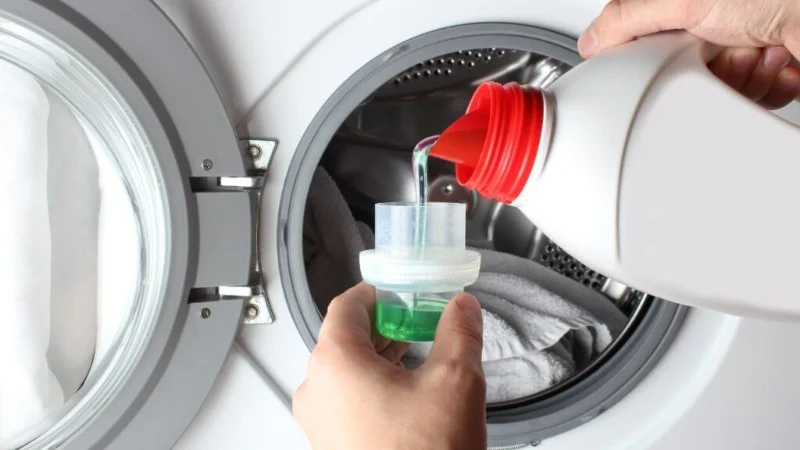
Can You Use Less Detergent and Still Get Clean Clothes? A Practical Laundry Reality Check
- detergent-basics-how-cleaning-works-understanding-wash-cycle-chemistry - understanding how detergent actually lifts dirt and why “more” is not always better
- less-detergent-myth-vs-reality-cleaning-performance-factors - when reducing detergent works and when it backfires
- washing-machine-efficiency-water-quality-impact-on-cleaning-results - how your machine type and water hardness change everything
- common-laundry-mistakes-overuse-residue-smell-and-fabric-wear - signs you are using too much detergent
- eco-friendly-laundry-habits-saving-money-and-protecting-fabrics - how to build a smarter washing routine long term
The Hidden Science Behind Laundry Cleaning
A lot of people assume that cleaner clothes come from more detergent. It sounds logical—more soap equals more cleaning power, right? In reality, modern laundry science doesn’t work that way. Clothes get clean through a combination of water movement, surfactants in detergent, and mechanical friction inside the drum.
Surfactants are the key players. They break down oils and allow dirt to detach from fabric fibers. Once those particles are lifted, water rinses them away. If too much detergent is added, the rinse cycle struggles to remove it all, which can actually trap dirt instead of removing it.
This is where the question Can You Use Less Detergent and Still Get Clean Clothes becomes interesting. The answer is not only “yes” in many cases—it can actually improve cleaning performance when done correctly.
Why Using Too Much Detergent Backfires
One of the most common laundry complaints today is clothes that smell “not quite clean” even after washing. This is often caused by detergent buildup rather than lack of detergent.
Residue Build-Up Inside Fabrics
When excess detergent doesn’t fully rinse out, it sticks to fibers. Over time, this residue traps bacteria and odor. Instead of feeling fresh, clothes may develop a slightly greasy or stale smell.
Reduced Machine Efficiency
High-efficiency washers are designed to use minimal water. When too much detergent is added, the machine cannot rinse properly. This reduces cleaning performance even if you think you are “boosting” it.
Fabric Wear and Skin Sensitivity
Excess detergent can also make fabrics feel stiff and cause irritation for sensitive skin. Dermatologists often note that residue is a hidden trigger for mild skin discomfort.
A homeowner from Chicago once shared a relatable experience: she increased detergent thinking it would help her kids’ sports uniforms. Instead, the smell worsened. The solution wasn’t more detergent—it was less, combined with a longer rinse cycle.
When Less Detergent Actually Works Better
Reducing detergent doesn’t mean reducing cleanliness. In many real-world cases, it improves it.
Modern High-Efficiency Washing Machines
These machines are engineered to use low water levels. They rely on tumbling action rather than soaking. Because of this, concentrated detergent works better in smaller amounts.
Soft Water Conditions
If you live in an area with soft water, you naturally need less detergent. Hard water requires more cleaning agents because minerals interfere with surfactant performance.
Lightly Soiled Clothing
Daily wear clothes—like office outfits or casual wear—rarely need heavy detergent loads. In these cases, using less detergent is not only sufficient but often more effective.
How to Know You Are Using the Right Amount
Most people never actually measure detergent. They pour it in based on instinct, which leads to overuse. A more reliable approach is to adjust based on load type and machine behavior.
Signs You Are Using Too Much
If you notice soap residue on dark clothing, stiff towels, or a faint chemical smell, your detergent level is likely too high. Another clue is extra foam during rinse cycles.
Signs You Are Using Too Little
Clothes that still smell after washing or visible dirt spots after drying suggest under-dosing. However, this is less common than overuse in modern households.
Balanced Detergent Strategy
Start with about half of the recommended amount on the label. Then adjust based on results over a few washes. This simple method helps you find a personalized balance.
Real-Life Laundry Shift: A Family Experiment
A family in Seattle decided to test their laundry routine after noticing their towels became rough and lost absorbency. They reduced detergent by 40% and increased rinse time slightly.
Within two weeks, the difference was noticeable. Towels became softer, clothing smelled fresher, and they used fewer detergent pods per month. Their water bill also dropped slightly due to more efficient rinse cycles.
This type of result is not unusual. Many households discover that less detergent actually restores fabric quality instead of damaging it.
Eco-Friendly and Cost-Saving Benefits
Using less detergent is not just a cleaning decision—it’s also an environmental and financial one.
Lower Chemical Load in Water Systems
Reducing detergent usage helps minimize chemical runoff into wastewater systems. Over time, this contributes to cleaner water treatment processes.
Extended Fabric Lifespan
Clothes last longer when fibers are not coated in excess chemicals. This reduces the need for frequent replacements.
Reduced Household Expenses
Even a small reduction in detergent usage can save noticeable money annually, especially for large families or frequent washers.
For those looking to optimize laundry routines further, resources and product guidance are available through Reliable Laundry Care Solutions at Reliable Damage Hub, where cleaning efficiency tools and detergent recommendations are regularly updated.
Expert Tips for Better Laundry Results with Less Detergent
Pre-Treat Stains Instead of Overloading the Wash
Targeted stain treatment is more effective than increasing detergent for the entire load.
Use Warm Water When Appropriate
Warm water helps activate detergent more efficiently, allowing you to use less.
Clean Your Machine Regularly
A clean washing machine improves detergent distribution and prevents residue buildup from previous cycles.
Avoid Overloading the Drum
Clothes need space to move. Overloading reduces cleaning efficiency and often leads to re-washing.
Final Insight: Rethinking What “Clean” Really Means
Clean clothes are not defined by how much detergent is used, but by how effectively dirt is removed and rinsed away. In many modern households, the best performance actually comes from using less detergent, not more.
If you’ve been struggling with stiff fabrics, lingering odors, or rising laundry costs, adjusting your detergent amount might be the simplest and most effective fix. Exploring smarter laundry habits through platforms like Reliable Damage Hub can help refine your routine even further and keep your clothes fresher for longer.






 Vishlight detergent5.0 (1 reviews)
 RAPID Laundromat (Pvt) Ltd5.0 (73 reviews)
 Kunam Loundry service5.0 (3 reviews)
 Queens Laundry3.0 (20 reviews)
 Super Clean Laundry Services4.0 (48 reviews)
 Hiru(හිරු) Laundry Sigiriya5.0 (3 reviews)
 Laundry Not Working the Way You Expect? Here's Why
 Clever Hacks for Washing Baby Clothes Safely
 Clothes Smell Strange? How to Identify and Fix the Issue
 What’s the Best Way to Sort Laundry to Avoid Color Bleeding
 How to Get Ink Stains Out of Clothes Without Bleach
 Why Your Laundry Might Be Too Heavy and How to Fix It | Laundry Tips