
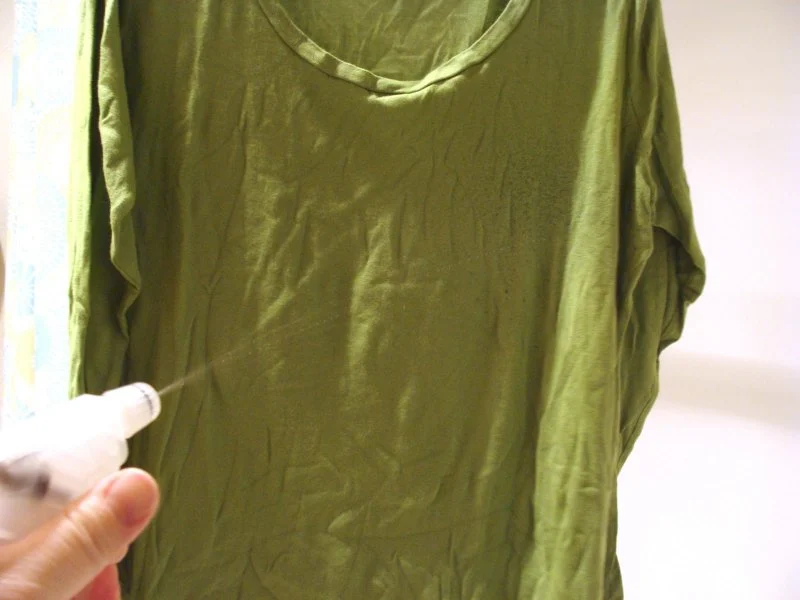
Why Do Clothes Get Wrinkles So Easily?
Few things are more frustrating than carefully choosing an outfit, only to discover that your shirt, pants, or dress looks messy because of unexpected wrinkles. Many people wonder, “Why do clothes get wrinkles so easily?” The answer involves a combination of fabric structure, moisture, heat, movement, and the way clothing is stored.
Wrinkles happen because the fibers inside fabrics become bent, compressed, or stretched out of their original shape. When these fibers lose their smooth alignment, the surface of the fabric develops visible lines and folds. Some materials naturally recover their shape better than others, while certain fabrics hold wrinkles for hours or even days.
For example, someone wearing a cotton shirt during a long office commute may start the morning looking polished but arrive with creases around the sleeves, collar, and waist area. This happens because sitting, body heat, and moisture from the skin affect how the fabric fibers behave throughout the day.

ECO Clean Laundry Service & Tuk Tuk service Nilaveli
NilaveliTrincomaleeEastern Province
Fathah road, Nilaveli 31010, Sri Lanka
How Different Fabrics Influence Wrinkling
1. Natural Fibers and Their Relationship With Wrinkles
Natural fabrics are popular because they feel comfortable, breathable, and soft against the skin. However, many natural fibers are more likely to wrinkle because their structures are flexible and absorb moisture easily.
Cotton is one of the most common examples. Cotton fibers absorb water from humidity, sweat, and washing. When the fibers become wet, they relax and change position. As the fabric dries, it can lock into a wrinkled shape, especially if it was folded or compressed during drying.
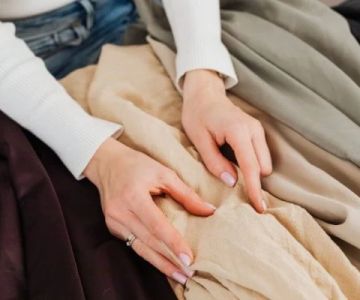
Linen wrinkles even more easily because its fibers are naturally stiff and have less elasticity. While many people appreciate linen’s relaxed appearance, those who prefer a crisp and formal look may find it challenging to maintain.

2. Synthetic Fabrics and Wrinkle Resistance
Synthetic materials such as polyester are often more wrinkle-resistant because their fibers are designed to maintain their shape. Polyester fibers have stronger memory, meaning they are more likely to return to their original form after being stretched or folded.
This is why many travel clothes and business shirts include synthetic blends. A cotton-polyester blend, for example, combines cotton’s comfort with polyester’s durability and wrinkle resistance.
3. Fabric Blends and Modern Clothing Design
Many modern clothing manufacturers create blended fabrics to solve everyday problems. A shirt made from a cotton and polyester combination may stay smoother throughout a busy workday compared with a 100% cotton shirt.
When shopping for clothing, checking fabric composition can help you choose items that match your lifestyle. People who travel frequently or have limited time for ironing often benefit from wrinkle-resistant materials.
How Washing and Drying Create Wrinkles
1. Overloading the Washing Machine
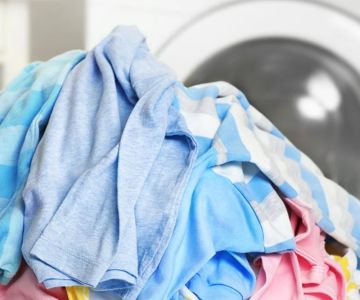
One of the most common reasons clothes come out of the laundry heavily wrinkled is overcrowding the washing machine. When too many garments are packed together, fabrics cannot move freely. They become twisted, compressed, and pressed against each other during the wash cycle.
After the cycle ends, clothes may already have deep folds that become harder to remove once they dry. Washing smaller loads allows clothing fibers to relax and reduces unnecessary creasing.
2. Leaving Clothes in the Dryer Too Long
Many people have experienced opening the dryer and finding a pile of wrinkled clothes that looks like it has been sitting there for hours. Heat removes moisture from fabric, but leaving clothes inside after drying allows wrinkles to set.
A simple solution is removing clothes immediately after the drying cycle finishes. Shaking each item before hanging or folding helps release minor wrinkles.
3. Using Incorrect Washing Settings
Different fabrics require different washing methods. High heat and aggressive spinning can damage delicate fibers and increase wrinkling.
Using gentler cycles, appropriate water temperatures, and fabric-specific care instructions can significantly improve clothing appearance and extend garment life.
Everyday Habits That Make Clothes Wrinkle Faster
1. Folding Clothes Incorrectly
Storage plays a major role in keeping clothes smooth. Folding shirts, sweaters, and pants under pressure can create sharp lines that remain visible even after wearing.
For important clothing items, hanging them properly is often better than folding. Using quality hangers helps maintain the shape of shoulders and prevents unnecessary creases.
2. Sitting for Long Periods
Modern lifestyles often involve spending hours sitting at desks, driving, or traveling. Unfortunately, these activities naturally create wrinkles.
When fabric is compressed between your body and a chair, the fibers bend repeatedly in the same areas. Pants often develop wrinkles around the knees and hips, while shirts crease around the lower back and elbows.
3. Storing Clothes in Crowded Closets
A crowded closet can make even freshly cleaned clothes look messy. When garments are squeezed together, they lose their natural shape and develop folds.
Leaving enough space between clothing items improves airflow and reduces pressure-related wrinkles.
Practical Ways to Prevent Clothes From Wrinkling
1. Remove Clothes Properly After Washing
The first few minutes after washing are important. Taking clothes out promptly prevents deep wrinkles from forming. Shake garments gently, smooth the fabric with your hands, and hang items immediately.
2. Choose the Right Drying Method
Air drying is often helpful for delicate clothing because it reduces exposure to high heat. Hanging clothes correctly allows gravity to naturally pull fabric into a smoother shape.
For items that can be tumble dried, removing them while slightly damp and finishing the drying process on a hanger can reduce wrinkles.
3. Use Steam Instead of Excessive Ironing
Steam is one of the easiest ways to refresh wrinkled clothing. A garment steamer relaxes fabric fibers without applying direct pressure like an iron.
This method is especially useful for busy professionals, travelers, and anyone who wants a quick way to improve clothing appearance.
4. Select Clothing Designed for Your Lifestyle
The best way to reduce wrinkles is choosing clothing that matches your daily routine. Someone who works in an office environment may prefer wrinkle-resistant dress shirts, while frequent travelers may benefit from lightweight fabrics that maintain their shape.
Exploring quality clothing options and fabric-care solutions through trusted platforms like Clothing Style Guide can help shoppers find practical choices that balance comfort, appearance, and durability.
Modern Solutions for Keeping Clothes Looking Fresh
1. Wrinkle-Resistant Fabric Technology
Advances in textile technology have created fabrics that naturally resist wrinkles. Many modern garments use special treatments that help fibers recover after bending or compression.
These innovations are especially popular in travel clothing, professional wear, and everyday basics because they reduce maintenance time.
2. Smart Clothing Care Tools
Today’s households have more options than traditional irons. Compact steamers, fabric refresh sprays, and improved drying systems make it easier to maintain smooth clothing.
For people with busy schedules, investing in simple clothing-care tools can save significant time while helping garments last longer.
3. Understanding Clothing Quality Before Buying
Many shoppers focus only on color, style, or price when buying clothes. However, fabric quality and construction determine how clothing performs after repeated use.
Higher-quality fabrics often maintain their shape better, resist excessive wrinkling, and provide a more polished appearance over time.
Real-Life Example: Why Small Changes Make a Difference
Consider a traveler preparing for a business trip. They pack a cotton shirt tightly into a suitcase and arrive several hours later with deep wrinkles. Another traveler chooses a wrinkle-resistant blend, rolls the clothing carefully, and removes items immediately after arrival.
The difference is not simply luck. Fabric selection, packing technique, and care habits all influence the final appearance of clothing.
This example shows why understanding why do clothes get wrinkles so easily is useful in everyday life. Small adjustments can make clothing easier to manage and help people feel more confident.
Making Wrinkle-Free Clothing Part of Your Routine
Wrinkles are a natural result of how fabrics respond to movement, moisture, and pressure. However, they do not have to become a daily frustration. By understanding fabric behavior, improving laundry habits, and choosing suitable clothing materials, anyone can keep their wardrobe looking cleaner and more professional.
Whether you are preparing for work, travel, or a special event, the right clothing choices and care methods can make a noticeable difference. Explore more clothing solutions and discover products designed to help maintain a fresh, polished appearance with less effort.




 Kani loundry4.0 (39 reviews)
 Home stay laundry4.0 (10 reviews)
 Ceylon Organic Batik (Natural )5.0 (2 reviews)
 Romantic laundry outlet5.0 (1 reviews)
 LAUNDERETTE BY DOBI MASTER4.0 (371 reviews)
 Super Clean Laundry4.0 (25 reviews)
 Laundry Not Turning Out Right? Fix Common Washing Machine Problems
 How to Wash Cotton Shirts to Keep Them Crisp and Fresh
 How to Wash Clothes With Delicate Lace Trim
 Clothes Smell Strange After Drying? Fix It Easily
 Best Hacks to Keep Towels Fluffy and Absorbent
 Can You Use Less Detergent and Still Get Clean Clothes? Laundry Guide