
Laundry Challenges and Practical Solutions
- Frequent Laundry Mistakes - How to avoid common errors in washing and drying
- Stains That Won’t Come Out - Techniques for stubborn spots and discoloration
- Fabric Shrinkage and Damage - Preventing clothing from losing shape or texture
- Washer and Dryer Problems - Troubleshooting appliance issues
- Color Bleeding and Fading - Keeping your clothes vibrant
- Laundry Overload and Sorting Issues - Managing large loads efficiently
- Case Studies and Real-Life Stories - Examples of laundry problem solutions
- Professional Tips and Product Recommendations - Using tools and detergents effectively
- Investing in Laundry Tools with LaundryEase Hub - Streamlining laundry for better results
Frequent Laundry Mistakes
1. Overloading Machines
Many people pack their washing machines to the brim, thinking it will save time. Overloading can reduce the effectiveness of detergents and cause uneven cleaning, leaving clothes still dirty. Licensed guides from LaundryEase Hub recommend always following the machine’s load capacity and separating items by weight and fabric type for optimal results.

2. Using Too Much Detergent
A common misconception is that more detergent equals cleaner clothes. Excess soap can accumulate in fabrics, create residue, and even damage your washing machine over time. Using the right amount for your load size prevents buildup and keeps garments soft and fresh.
Stains That Won’t Come Out
1. Common Stain Types
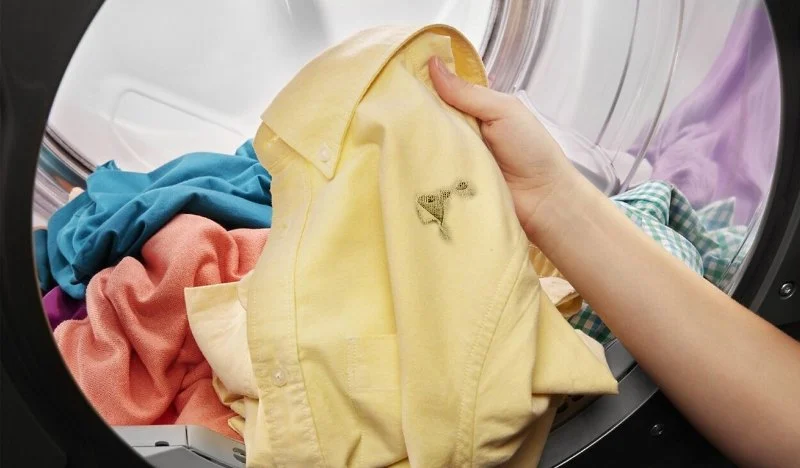
Stains from coffee, wine, or grease often require targeted treatment. Pre-treating spots with specialized stain removers and washing in the appropriate water temperature can prevent permanent damage. For example, protein stains like blood respond best to cold water and enzymatic detergents.
2. Real-Life Success Stories
One LaundryEase Hub user shared how pre-soaking muddy sports uniforms in an oxygen-based cleaner removed stains completely without harsh scrubbing. Simple, consistent approaches often work better than aggressive washing cycles.
Fabric Shrinkage and Damage
1. Understanding Fabric Sensitivity
Cotton, wool, and delicate synthetics are prone to shrinkage or deformation if exposed to high heat or harsh detergents. Using low-temperature cycles, mesh laundry bags, and air drying can maintain the garment’s original size and shape.
2. Preventing Wear and Tear
Zippers, buttons, and rough fabrics can damage softer items in mixed loads. Sorting clothes carefully and using protective laundry bags reduces friction and preserves fabric quality.
Washer and Dryer Problems
1. Machine Malfunctions
Common issues include drum imbalance, persistent odors, or clogged filters. Regular cleaning, leaving doors slightly open for ventilation, and following the manufacturer’s maintenance schedule prevent these problems. LaundryEase Hub provides guides for troubleshooting most home laundry appliances effectively.
2. Energy Efficiency Tips
Running machines with half loads or incorrect settings not only wastes energy but also can affect laundry results. Using energy-efficient cycles designed for different fabrics ensures cleaner clothes and lower utility bills.
Color Bleeding and Fading
1. Sorting by Color
Mixing dark and light garments often leads to color transfer. Wash new, brightly colored items separately for the first few cycles. Cold water helps preserve dyes and reduce fading over time.
2. Protecting Vibrancy
Using detergent designed for colors and avoiding excessive sun drying prevents fading. One LaundryEase Hub case study showed that alternating detergent types and using vinegar as a natural softener maintained bright clothing for years.
Laundry Overload and Sorting Issues
1. Managing Large Loads
Dividing laundry into smaller loads by fabric type, color, and soil level ensures thorough cleaning. This also reduces wear on both the clothing and the appliance.
2. Sorting Tips for Families
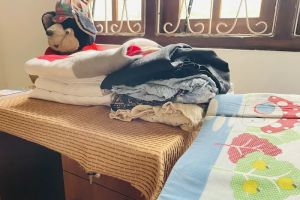
Families with diverse clothing types should create a sorting routine—lights, darks, delicates, and heavily soiled items. Proper sorting prevents color transfer, shrinkage, and extended drying times.
Case Studies and Real-Life Stories
One working parent shared how a weekly laundry schedule and pre-sorting system eliminated the chaos of weekend washing marathons. By treating stains immediately and using protective laundry tools, clothes remained like new, proving that organized methods can resolve common laundry problems efficiently.
Professional Tips and Product Recommendations
1. Detergents and Softeners
Choosing the right detergent for your water type and fabric mix is crucial. LaundryEase Hub offers recommendations for hypoallergenic, color-protective, and stain-fighting formulas that maximize cleaning efficiency.
2. Laundry Tools
Mesh bags, stain sticks, and fabric-safe laundry balls reduce damage and improve washing performance. Incorporating these into your routine addresses several common laundry problems that happen often.
Investing in Laundry Tools with LaundryEase Hub
For homeowners looking to simplify laundry while achieving superior results, LaundryEase Hub provides a curated selection of tools and detergents designed to combat frequent laundry problems. From preventing color bleeding to optimizing dryer performance, these resources help you maintain clothing longevity and minimize daily stress.
Tackling laundry problems doesn’t have to be frustrating. By understanding common issues and using professional advice, you can transform your laundry routine. Explore LaundryEase Hub for expert solutions and products that ensure cleaner, fresher, and longer-lasting clothes.



 Laundry Wash & Dry5.0 (2 reviews)
 Super Clean Laundry4.0 (25 reviews)
 Sun Shine Laundry3.0 (12 reviews)
 Jashvin’s Laundry Service4.0 (91 reviews)
 Laundry4.0 (20 reviews)
 LAUNDERETTE BY DOBI MASTER4.0 (371 reviews)
 How Overloading Your Laundry Affects Cleaning Efficiency
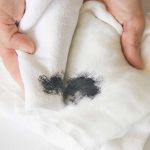 Quick Ways to Remove Ink Stains From Cotton and Linen
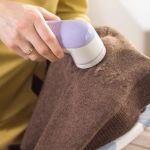 How to Wash Clothes to Avoid Pilling on Soft Fabrics
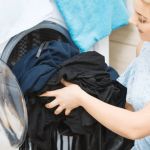 How to Keep Black Clothes From Fading After Washing
 Why Your Towels Never Feel Soft Anymore: Causes and Solutions
 Your Laundry Might Be Too Damp: How to Fix It and Keep Clothes Fresh