
How to Maintain Fresh Clothes Without Excessive Washing
- understanding-overwashing-and-its-effects
- spot-cleaning-and-targeted-stain-removal
- using-natural-fabric-fresheners-between-washes
- choosing-the-right-laundry-detergents-and-settings
- air-drying-and-gentle-handling-for-longer-life
- implementing-laundry-rotation-and-wardrobe-management
- eco-friendly-methods-to-keep-clothes-clean
- common-mistakes-to-avoid-while-laundry
- expert-tips-from-professional-cleaners
- product-recommendations-for-optimal-clothing-care
1. Understanding Overwashing and Its Effects
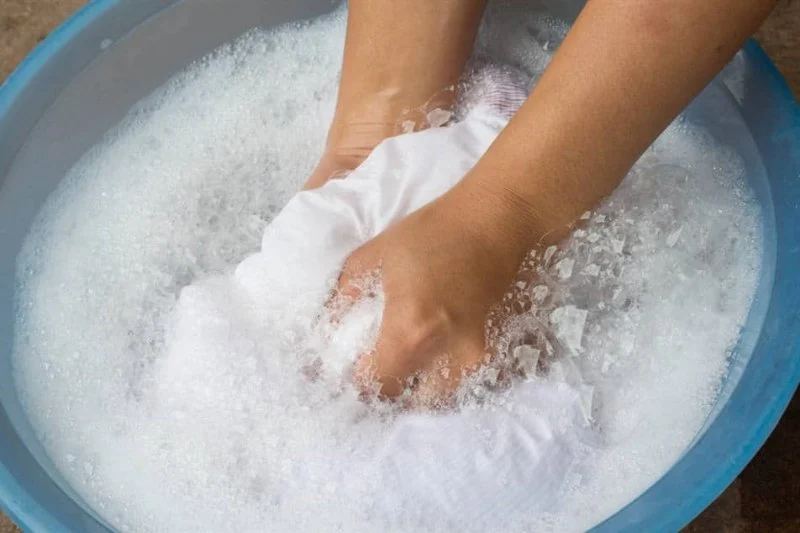
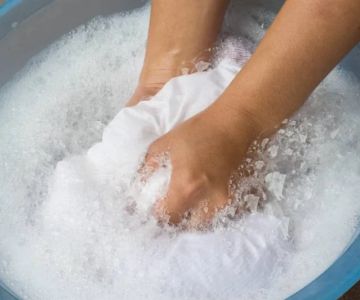
Overwashing can gradually weaken fabrics, fade colors, and shrink garments. Many people wash clothes after a single wear, even when not necessary. Understanding when your clothes truly need cleaning is the first step toward preserving their lifespan.
Case studies from sustainable fashion communities show that extending wash intervals by just a few days can significantly reduce wear and tear. Not only does this approach save energy and water, but it also maintains the integrity of delicate fabrics.

KARISHMAN QUICK WASH LAUNDRY
NO 70, Trinco Blue Hotel, Allesgarden, Road, Trincomalee 31006, Sri Lanka
2. Spot Cleaning and Targeted Stain Removal
One of the best strategies to avoid overwashing is spot cleaning. Use a damp cloth, mild detergent, or natural stain removers on affected areas rather than running a full cycle. Common stains like food or sweat can often be managed this way, preserving overall fabric quality.
A personal story from a professional stylist highlights using baking soda paste for collar stains on dress shirts. A few minutes of careful treatment kept the shirt pristine without a full wash.
3. Using Natural Fabric Fresheners Between Washes
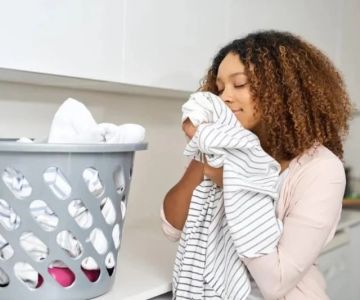
To maintain freshness, natural fabric sprays like diluted vinegar or essential oil solutions can refresh garments. Hanging clothes in fresh air or steaming them can remove odors and wrinkles without washing.
Users of sustainable laundry methods often report a fresher wardrobe with less water and detergent usage. Even lightly worn jeans can benefit from this approach, staying comfortable and clean longer.
4. Choosing the Right Laundry Detergents and Settings
Selecting mild detergents and the correct washing machine settings can reduce damage. Cold water cycles and gentle spin modes protect fabrics while effectively cleaning. Avoid aggressive powders on delicate materials, as they can accelerate wear.
Professional laundry experts recommend segmenting clothes by fabric type and adjusting cycles accordingly, preventing overwashing and preserving garment colors.
5. Air Drying and Gentle Handling for Longer Life
High-heat drying can weaken fibers and shrink clothing. Air drying, laying flat for delicate knits, and gentle handling after washing can extend clothing life. Even shirts, dresses, and wool sweaters maintain shape longer with proper care.
A user testimonial notes that switching to air drying reduced pilling on cotton shirts while keeping colors vibrant. This simple adjustment is key for clothes preservation.
6. Implementing Laundry Rotation and Wardrobe Management
Organize your wardrobe to rotate clothing evenly. Wearing a shirt twice or three times before washing, unless visibly soiled, helps reduce overwashing. Keeping garments visible and organized reminds you which items are ready for use without unnecessary laundering.
Wardrobe rotation also prevents uneven wear and extends the lifespan of seasonal clothing. Many households report lower laundry frequency and reduced fabric deterioration with this method.
7. Eco-Friendly Methods to Keep Clothes Clean
Environmentally friendly approaches, like reducing water use, choosing biodegradable detergents, and washing only full loads, help both the planet and your wardrobe. DIY natural detergents and laundry balls are also popular among eco-conscious users.
Stories from eco-living blogs demonstrate that combining careful washing with fabric fresheners reduces the need for frequent laundering while staying hygienic and sustainable.
8. Common Mistakes to Avoid While Laundry
Frequent mistakes include excessive detergent, high-heat drying, and ignoring garment care labels. Overloading machines and mixing incompatible fabrics can lead to damage and shortened clothing life.
Learning from mistakes and understanding each fabric’s needs ensures optimal cleanliness without overwashing. Experts consistently emphasize careful handling over quantity of washes.
9. Expert Tips from Professional Cleaners
Professional cleaners recommend pre-treating stains immediately, separating clothes by fabric type, and avoiding unnecessary wash cycles. They also suggest natural deodorizing methods to maintain freshness between washes.
A professional anecdote illustrates that silk blouses washed only when necessary maintain color and texture far longer than those frequently cleaned. Applying these tips at home yields similar results and extends clothing life significantly.
10. Product Recommendations for Optimal Clothing Care
Using high-quality detergents, natural fabric fresheners, and garment-specific cleaning products ensures maximum results. Tools like gentle washing balls, stain-removal pens, and eco-friendly sprays make caring for clothes easier and more effective.
To explore the best options for gentle yet effective laundry, click here to view top products that help you clean clothes without overwashing, extend their lifespan, and maintain vibrant colors effortlessly.



 Colombo Cleaners4.0 (18 reviews)
 Wash Mart3.0 (13 reviews)
 Central Cleaners4.0 (21 reviews)
 Kani loundry4.0 (39 reviews)
 Laundry service3.0 (3 reviews)
 Queens Laundry - Gatambe3.0 (128 reviews)
 Why Are My Towels Not Absorbing Water Properly? Causes & Solutions
 Why Clothes Often Feel Sticky After Drying and How to Fix It
 Best Hacks to Keep Towels Fluffy and Absorbent
 Clothes Not Looking Clean? Discover Common Laundry Mistakes
 What Detergent Is Best for Soft Water vs Hard Water
 How to Remove Tomato Sauce Stains From Kids’ Clothes