
When Rust Ruins Your Clothes: Real Fixes That Actually Work
- - understanding-rust-stains-fabric-science-breakdown - how rust forms and bonds with fibers
- - first-response-rust-stain-treatment-methods - what to do immediately after spotting stains
- - home-remedies-for-rust-stain-removal-clothes - vinegar, lemon, and natural solutions
- - professional-rust-cleaning-products-comparison - when store products outperform DIY methods
- - real-life-rust-stain-laundry-story - everyday accident and recovery experience
- - common-mistakes-removing-rust-stains-fabric - what makes stains worse unintentionally
- - fabric-care-tips-prevent-rust-stains - long-term prevention strategies
Understanding Why Rust Stains on Fabric Are So Stubborn
The chemistry behind rust and why it binds so strongly to cloth
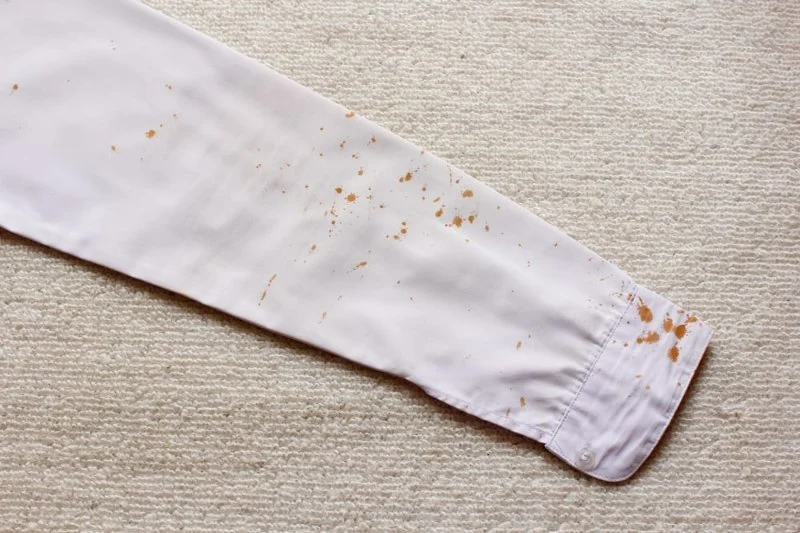
If you’ve ever pulled a favorite shirt out of the laundry only to find orange-brown marks that weren’t there before, you’ve already met one of laundry’s most frustrating problems: rust stains. Learning how to remove rust stains from fabric starts with understanding what you’re dealing with. Rust is iron oxide, and once it touches fabric fibers, it doesn’t just sit on the surface—it chemically binds with them.
This is why standard detergent often fails. The stain is not just dirt; it’s a chemical reaction embedded in the fabric structure. Cotton, linen, and even synthetic blends can all trap rust particles, making removal significantly more difficult over time.
Romantic laundry outlet
KatugastotaKandyCentral Province
8JGF+5P7 Menikkumbura Economic Center, Katugastota, Sri Lanka
Why time makes rust stains worse
The longer rust sits on fabric, the deeper it penetrates. Moisture from washing machines or humidity can actually accelerate this process. That’s why a stain you ignored for a week might suddenly feel “permanent.”
First Response Strategy: What to Do Immediately After a Rust Stain Appears
Why acting fast changes everything
The first few minutes after noticing rust are critical. Instead of rubbing the stain or throwing the item directly into a hot wash cycle, the best approach is to isolate the fabric and prevent moisture from spreading the iron particles further.
One of the most common mistakes people make is scrubbing aggressively. This often pushes rust deeper into fibers, making later removal much harder.
A simple real-world example from everyday laundry mishaps
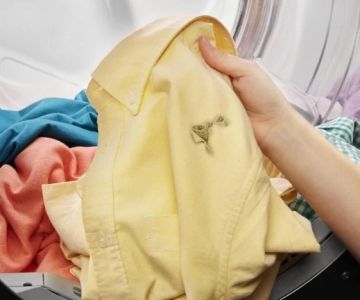
A friend once left a damp white shirt hanging on a metal rack in a humid garage. Within a day, orange stains appeared exactly where the shirt touched the metal. Instead of treating it immediately, she washed it normally. The result? The stain became permanent-looking after heat drying. This is a classic case where timing—not product choice—decided the outcome.
Home Methods That Actually Work for Rust Stain Removal Fabric Treatment
Lemon juice and salt: the classic natural solution
One of the most popular answers to how to remove rust stains from fabric is the lemon-and-salt method. Lemon juice contains citric acid, which helps break down iron particles, while salt acts as a mild abrasive. When combined, they create a gentle but effective cleaning reaction.
This method works best on light cotton fabrics and smaller stains. After applying the mixture, letting the fabric sit in sunlight enhances the reaction, helping lift discoloration more efficiently.
White vinegar soak: slow but reliable
White vinegar is another household staple for rust stain removal fabric care. Unlike harsher chemicals, vinegar works gradually by loosening the bond between iron particles and fabric fibers. It is especially useful for older stains that have already set in.
However, patience is key. Vinegar is not an instant fix—it often requires repeated soaking and gentle rinsing cycles before noticeable improvement appears.
When Store-Bought Products Become Necessary
Why DIY methods sometimes fall short
Not all rust stains respond to home remedies. In cases where the stain has been heat-set or deeply embedded, commercial rust removers may be required. These products are specifically formulated to break down iron oxide without damaging fabric when used correctly.
For stubborn rust stains clothing, especially on thicker fabrics like denim or canvas, professional-grade solutions often provide faster and more consistent results.
Choosing the right cleaner for different fabrics
Delicate fabrics require gentler formulas, while heavy-duty workwear can handle stronger treatments. Reading product labels carefully is essential to avoid discoloration or fiber damage.
Real-Life Laundry Story: The Case of the Vintage Jacket
A collector’s unexpected discovery
A vintage clothing collector once purchased a 1990s denim jacket from an online marketplace. When it arrived, faint rust stains were visible near the buttons—likely caused by long-term storage in a humid environment.
Instead of discarding it, the collector tested a layered cleaning approach: first a vinegar soak, then a mild rust remover treatment. After several cycles over a few days, the stains faded significantly without damaging the denim’s texture or color.
Why this case matters for everyday users
This example highlights an important truth: rust stain removal fabric success often depends on persistence rather than a single treatment. Layered approaches are frequently more effective than aggressive one-step solutions.
Common Mistakes That Make Rust Stains Worse
Heat exposure before treatment
One of the biggest errors people make is drying stained clothing before fully removing rust. Heat locks the iron particles into fabric fibers, making future removal significantly harder.
Using bleach on rust stains
Bleach is often misunderstood as a universal cleaner, but in the case of rust, it can actually intensify discoloration. Instead of removing stains, it may react with iron particles and deepen the orange tone.
Preventing Future Rust Stains on Clothing
Smart storage and washing habits
Preventing rust stains is often easier than removing them. Keeping clothes away from metal hangers that may corrode, avoiding damp storage areas, and checking washing machines for rust buildup are simple but effective habits.
Building long-term fabric protection awareness
People who regularly deal with laundry often develop a habit of inspecting clothing before washing. This small step helps catch stains early and significantly improves success rates in stain removal.
When You Need Reliable Cleaning Solutions That Actually Work
Why professional guidance makes a difference
Even with strong home remedies, some stains require specialized solutions. Understanding fabric types, stain age, and chemical reactions helps determine the best approach. This is where experienced cleaning guidance becomes valuable.
If you want to explore trusted cleaning methods, fabric-safe stain removers, and practical household solutions, you can learn more from curated cleaning resources at Camping With Kayla, where product recommendations and real-world laundry care tips are regularly shared.
Why better tools lead to better results
The right cleaning product doesn’t just remove stains—it protects fabric integrity. Investing in reliable stain removal solutions saves clothing, reduces frustration, and extends garment life.
For anyone dealing with repeated rust stain issues, upgrading your cleaning approach is often the most efficient long-term decision.




 Laundry Wash & Dry5.0 (2 reviews)
 LAUNDERETTE BY DOBI MASTER4.0 (371 reviews)
 FASHION DRY CLEAN - LAUNDRY MART4.0 (1 reviews)
 Clean Wash Laundry Service3.0 (9 reviews)
 Colombo Cleaners4.0 (18 reviews)
 Laundry Hut4.0 (13 reviews)
 Quick Ideas to Remove Red Wine Stains From Cotton Shirts
 What's the Best Way to Handle Dirty Laundry Daily for a Cleaner Home
 How to Make Your Laundry Smell Fresh Again - Effective Tips and Tricks
 How to Get Ink Stains Out of Clothes Without Bleach
 How to Wash Towels Without Leaving Lint
 How to Wash Hoodies Without Causing Color Fading