
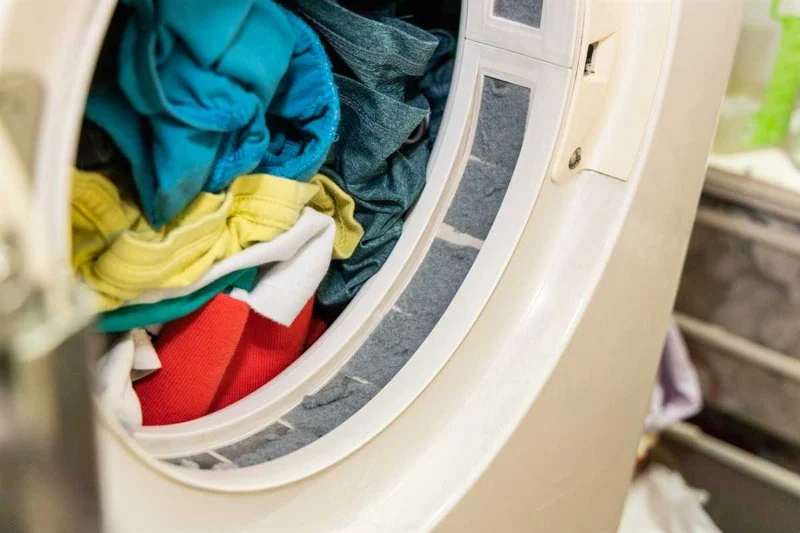
Why Clothes Feel Rough After Repeated Washing
If you’ve ever pulled your favorite shirt out of the laundry only to find it feeling stiff, scratchy, or just “off,” you’re definitely not alone. The question of why clothes feel rough after repeated washing comes down to a mix of chemistry, mechanics, and everyday laundry habits that slowly wear down fabric fibers over time.
Most people assume it’s just “old clothes syndrome,” but in reality, even relatively new garments can lose their softness if washed incorrectly. The texture change is gradual, which is why it often goes unnoticed until one day your once-comfortable hoodie feels like sandpaper.
Detergent and Residue Issues
One of the biggest hidden causes is detergent buildup. When too much detergent is used—or when it doesn’t fully rinse out—it leaves behind a thin coating on fabric fibers.
How residue changes fabric feel
Instead of keeping fibers flexible, residue makes them stiff and less breathable. Over time, this creates that rough, slightly crunchy texture many people notice on towels and cotton shirts.
A common real-life example comes from households using concentrated detergent “just in case more is better.” In reality, overuse is one of the fastest ways to damage softness, especially in everyday wear.
Water Quality and Heat Impact
Water quality plays a surprisingly large role. Hard water contains minerals like calcium and magnesium that attach to fabric fibers. These minerals build up over time, making clothing feel less flexible and more rigid.
Heat damage from washing cycles
High washing and drying temperatures can also weaken fibers. Cotton, for example, becomes more brittle when exposed repeatedly to heat, leading to that rough, worn-out feeling even if the garment still looks fine visually.
This combination of hard water and high heat is often the silent reason behind why favorite t-shirts lose their comfort after just a few months of frequent washing.
Washing Machine Mistakes
Another overlooked factor is how the machine itself is used. Overloading the drum prevents proper rinsing and creates excessive friction between fabrics.
Friction and mechanical wear
When clothes rub aggressively against each other, fibers break down faster. This is especially noticeable in delicate fabrics like linen or lightweight cotton blends.
A real-world case often seen in busy households is mixing heavy towels with light clothing. The imbalance leads to uneven wear, leaving softer items rougher than expected.
Fabric Type Differences
Not all fabrics react the same way. Natural fibers like cotton and wool tend to soften over time if treated gently, but they can also degrade faster under harsh washing conditions.
Synthetic blends behavior
Polyester and blended fabrics may hold structure longer but often lose their softness due to micro-friction and detergent residue buildup.
Understanding fabric composition helps explain why some shirts remain comfortable for years while others feel rough after only a few washes.
How to Keep Clothes Soft
Keeping clothes soft isn’t complicated, but it does require a few intentional habits. Small changes in laundry routines can dramatically extend fabric life.
Practical softening strategies
1. Use less detergent than recommended to avoid residue buildup.
2. Wash in cold or warm water instead of hot cycles.
3. Avoid overloading the washing machine.
4. Use gentle spin settings to reduce fiber stress.
Over time, these adjustments can noticeably improve how your clothes feel after each wash cycle.
Real-Life Laundry Story
A common scenario comes from a young professional who noticed her gym clothes becoming uncomfortable after just a few months. She assumed the brand quality was poor, but the real issue was overuse of detergent combined with hot wash cycles.
After switching to cold water washing and reducing detergent usage by half, her clothes regained much of their softness within just a few washes. This simple change highlighted how small laundry habits can make a big difference in fabric comfort.
Better Laundry Practices
To truly prevent the issue of rough clothing, it helps to adopt a more mindful laundry approach. This includes rotating garments to reduce over-washing and treating stains individually instead of washing entire loads aggressively.
Modern laundry care products are also designed to protect fibers better than traditional detergents. Exploring newer solutions can significantly improve fabric longevity and softness.
If you’re looking to upgrade your laundry routine or find fabric-friendly care solutions, platforms like CleanFabric Guide offer curated recommendations that help protect clothing quality while maintaining softness over time.
With the right habits and better product choices, you can keep your wardrobe feeling comfortable, fresh, and long-lasting—no matter how many times you wash your clothes.




 Red Rose Washing Hub🌹5.0 (4 reviews)
 Kani loundry4.0 (39 reviews)
 FASHION DRY CLEAN - LAUNDRY MART4.0 (1 reviews)
 Queens Laundry - Gatambe3.0 (128 reviews)
 Hiru(හිරු) Laundry Sigiriya5.0 (3 reviews)
 Thambuttegama Laundry5.0 (2 reviews)
 Tips to Keep Your Clothes Looking New After Multiple Washes
 Why Your Clothes Might Not Feel Comfortable and How to Fix It
 Clothes Not Looking Clean? Discover Common Laundry Mistakes
 Clever Hacks for Washing Baby Clothes Safely
 Quick Ways to Remove Oil Stains From Wool Sweaters
 Your Laundry Might Be Missing Proper Airflow: Tips to Improve Drying Efficiency