
Stop Rewashing Laundry: What’s Really Making Your Clothes Stay Dirty
- - Why Clothes Still Look Dirty After Washing
- - Common Detergent Mistakes Most People Make
- - Overloading Your Washer Is Ruining Laundry Results
- - Water Temperature Problems That Affect Cleaning
- - Washing Machine Maintenance Most Homeowners Ignore
- - How Hard Water Secretly Damages Laundry Quality
- - Fabric Sorting Errors That Cause Dirty Clothes
- - Why Clothes Smell Bad Even After Washing
- - A Better Laundry Routine That Actually Works
- - Laundry Products Worth Trying for Cleaner Clothes
1. Why Clothes Still Look Dirty After Washing
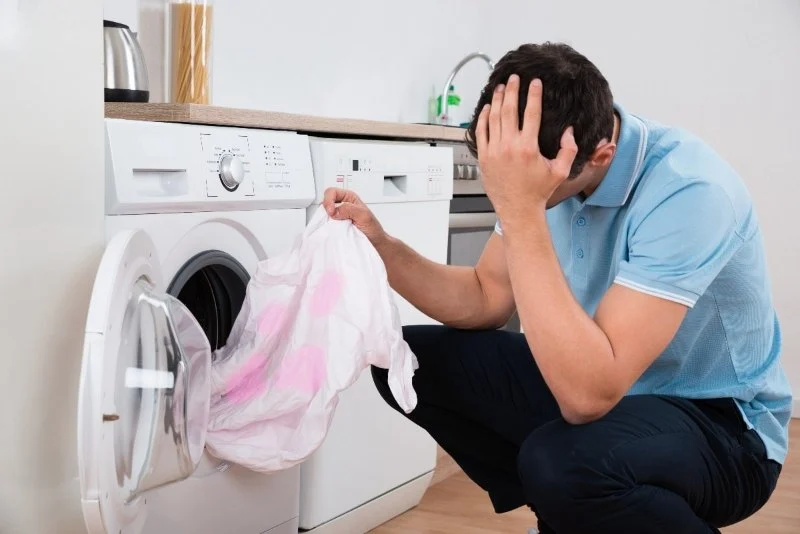
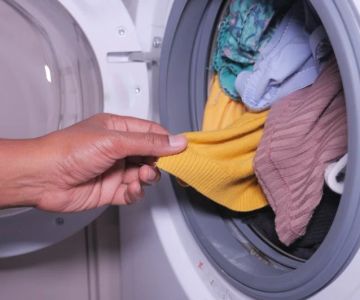
Few household frustrations are more annoying than opening the washing machine, pulling out a shirt, and realizing it still smells sweaty or has visible stains. The “washing clothes but still not clean” problem has become surprisingly common, especially with newer high-efficiency machines that use less water than older models.
Many homeowners assume their washing machine is broken when this happens. In reality, the issue usually comes from a combination of small habits that build up over time. Laundry problems rarely have one single cause. Instead, they develop through detergent misuse, overloaded drums, poor water quality, neglected washer maintenance, and incorrect washing cycles.
A friend of mine in Chicago went through this exact problem last winter. She kept rewashing gym clothes three times before they smelled remotely fresh. After spending hundreds of dollars on new detergents, she discovered the real problem was hidden mold buildup inside her front-loading washer gasket. Once she cleaned the machine properly and adjusted her laundry habits, the smell disappeared almost immediately.
Stories like this are incredibly common. Most people focus only on detergent brands, but the truth is that clean laundry depends on an entire system working together.

Signs Your Laundry Process Is Failing
If you notice any of these issues, your current laundry setup probably needs adjustment:
- Clothes smell sour after drying.
- White clothing turns gray over time.
- Dark fabrics develop streaks or residue.
- Towels feel stiff instead of soft.
- Sweat odors remain in activewear.
- Stains reappear after drying.
- Fresh laundry smells musty instead of clean.
These symptoms often point to deeper cleaning problems rather than a single bad wash cycle.

Sun Shine Laundry
HabaranaAnuradhapuraNorth Central Province
2PFW+PW5 Dambulla, Road, Habarana, Sri Lanka
2. Common Detergent Mistakes Most People Make
One of the biggest misconceptions in laundry care is believing more detergent equals cleaner clothes. Ironically, too much detergent is one of the main reasons clothes never feel fully clean.
Why Excess Detergent Backfires
Modern washers are designed to use minimal water. When too much detergent enters the machine, it cannot rinse out completely. The leftover soap traps dirt, body oils, and bacteria inside fabrics instead of removing them.
This creates a sticky film that makes clothes smell worse over time.
In many American households, detergent caps are filled far beyond the recommended level. Marketing images showing overflowing soap measurements have unintentionally trained consumers to overuse detergent.
Better Detergent Habits
For average laundry loads:
- Use less detergent than the cap suggests.
- Choose HE detergent for high-efficiency washers.
- Avoid mixing multiple detergent products together.
- Skip excessive fabric softener use.
- Use stain removers only on affected areas.
Many professional cleaners say reducing detergent often improves laundry quality within the first week.
Powder vs Liquid Detergent
Powder detergents usually work better for mud, clay, and outdoor stains because they contain stronger cleaning minerals. Liquid detergents are more effective against grease and oil-based stains.
Households with active children, pets, or construction-related jobs often see better results from alternating between both types depending on the load.
3. Overloading Your Washer Is Ruining Laundry Results
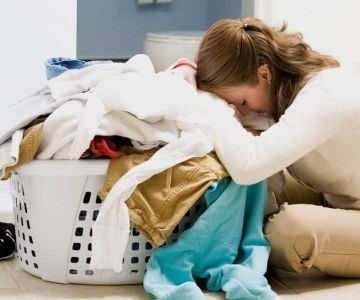
Another major cause of the “washing clothes but still not clean” issue is simple overcrowding.
When the washer drum becomes too full, water and detergent cannot circulate properly. Clothes twist together into a dense mass, preventing proper agitation.
What Happens Inside an Overloaded Washer
Imagine trying to shower while standing shoulder-to-shoulder inside a packed elevator. Water would barely reach your skin. Laundry works the same way.
Overloading creates:
- Poor water circulation
- Insufficient rinsing
- Detergent buildup
- Uneven cleaning
- Persistent odors
- Machine strain
The Two-Hand Rule
A practical rule many appliance technicians recommend is leaving enough space at the top of the drum to fit two hands comfortably.
If you need to force clothes into the machine, the load is already too large.
Heavy Fabrics Need Extra Space
Towels, hoodies, jeans, and blankets absorb significant water weight. Even if the washer appears half full when dry, these items expand dramatically once wet.
This is why heavy loads often come out smelling damp or dirty.
4. Water Temperature Problems That Affect Cleaning
Temperature plays a huge role in laundry effectiveness, yet many people wash everything in cold water because they fear shrinking fabrics.
Cold water has benefits, but it is not always strong enough for heavily soiled clothing.
When Cold Water Fails
Cold cycles struggle with:
- Grease stains
- Body oils
- Bacteria buildup
- Athletic wear odors
- Heavy sweat contamination
During flu season or after outdoor activities, warm or hot water often produces noticeably better sanitation results.
Finding the Right Temperature Balance
Most laundry experts recommend:
- Cold water for delicate fabrics and dark colors
- Warm water for everyday clothing
- Hot water for towels, bedding, and heavily contaminated fabrics
Switching temperature strategies alone can dramatically improve washing performance.
5. Washing Machine Maintenance Most Homeowners Ignore
Many people clean dishes, floors, and countertops regularly but completely forget the washing machine itself needs cleaning too.
A dirty washer cannot produce clean laundry.
Hidden Mold and Bacteria
Front-loading machines especially tend to trap moisture around rubber door seals. Over time, mildew develops in hidden creases.
This creates the classic “wet towel smell” many homeowners mistake for dirty clothes.
How Often You Should Clean Your Washer
Experts recommend:
- Cleaning the drum monthly
- Wiping door seals weekly
- Leaving the door open after use
- Cleaning detergent trays regularly
- Checking drain filters every few months
A Real Homeowner Experience
A family in Texas thought their teenage son’s football uniforms were permanently ruined because of severe odor buildup. They replaced detergents repeatedly with no success.
The actual issue turned out to be black mildew inside the washer’s drain system. After a deep cleaning cycle using hot water and machine cleaner tablets, the smell disappeared.
This situation happens far more often than people realize.
6. How Hard Water Secretly Damages Laundry Quality
Hard water is one of the most overlooked causes of poor laundry results across the United States.
Mineral-heavy water interferes with detergent performance and leaves residue trapped in clothing fibers.
Signs You Have Hard Water
- Soap does not lather easily
- White spots appear on faucets
- Towels feel rough
- Clothes fade quickly
- Laundry smells dull or stale
Why Hard Water Makes Clothes Feel Dirty
Minerals like calcium and magnesium bind with detergent during washing. Instead of rinsing away dirt, the detergent partially deactivates.
This leaves microscopic residue inside fabrics.
Over time, clothes lose softness and brightness.
Possible Solutions
Many homeowners improve laundry quality by:
- Installing a water softener
- Using detergent boosters
- Adding white vinegar during rinse cycles
- Using specialty hard-water detergents
Even small changes can make laundry noticeably fresher.
7. Fabric Sorting Errors That Cause Dirty Clothes
Sorting laundry by color is common knowledge, but sorting by fabric type matters just as much.
Why Mixed Fabrics Cause Problems
Heavy materials like denim and towels absorb water differently than lightweight fabrics.
When mixed together:
- Light fabrics become tangled
- Heavy items block water circulation
- Drying becomes uneven
- Dirt transfers more easily
Better Laundry Sorting Methods
Professional cleaners often sort loads into categories such as:
- Heavy cotton items
- Athletic wear
- Delicate fabrics
- Bedding and towels
- Dark colors
- Light everyday clothing
This may sound excessive, but it dramatically improves washing efficiency.
Activewear Needs Special Care
Modern athletic fabrics trap sweat oils deeply inside synthetic fibers. Standard cycles often fail to remove these residues completely.
Using sports-specific detergent or extra rinse cycles can make a major difference.
8. Why Clothes Smell Bad Even After Washing
Persistent odors usually indicate bacteria surviving the wash cycle.
Unfortunately, many laundry routines unintentionally create the perfect environment for bacterial growth.
The Biggest Smell Mistakes
- Leaving wet clothes inside the washer overnight
- Using too much detergent
- Washing only in cold water
- Skipping machine cleaning
- Using low-quality detergents
The Damp Laundry Problem
Even clean laundry can develop odors if it sits damp too long before drying.
This is especially common during busy workweeks when people forget loads inside the washer.
That sour smell comes from bacterial growth beginning within trapped moisture.
Drying Habits Matter Too
Clothes should dry fully before being folded or stored.
Partially damp fabrics create musty odors inside closets and drawers, making it seem like the washing machine failed when the issue actually happened afterward.
9. A Better Laundry Routine That Actually Works
After years of testing different laundry systems, many homeowners eventually discover that consistency matters more than expensive products.
The most effective laundry routines are surprisingly simple.
A Practical Weekly Laundry Strategy
1. Separate Loads Properly
Group laundry by fabric weight and soil level rather than just color.
2. Pretreat Stains Early
Fresh stains remove far more easily than dried ones.
3. Measure Detergent Carefully
More detergent rarely means cleaner clothes.
4. Use Warm Water Strategically
Especially for towels, bedding, and workout clothing.
5. Run Monthly Washer Cleaning Cycles
This prevents mildew and detergent buildup.
6. Dry Laundry Promptly
Never leave wet loads sitting overnight.
One Habit That Changed Everything
Several appliance repair professionals mention that simply running an extra rinse cycle solves many odor complaints.
This helps remove leftover detergent trapped inside fabrics.
Households with sensitive skin often notice softer clothes and fewer skin irritations afterward as well.
10. Laundry Products Worth Trying for Cleaner Clothes
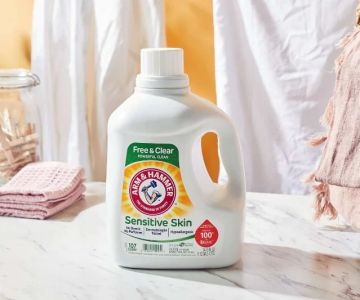
Not every laundry product is marketing hype. Some genuinely improve cleaning performance when used correctly.
Products That Often Help
- Washer cleaning tablets
- Hard-water detergent boosters
- Enzyme-based stain removers
- Mesh laundry bags for delicate fabrics
- Dryer wool balls instead of heavy softeners
Products That Often Get Overused
- Fabric softener
- Scent boosters
- Bleach on every load
- Heavy perfume detergents
Overusing scented products can actually mask underlying odor problems rather than solve them.
Building a Smarter Laundry Setup
Many homeowners eventually realize that cleaner laundry is less about buying the most expensive detergent and more about creating an efficient system.
A well-maintained washer, proper detergent measurements, balanced load sizes, and correct drying habits outperform expensive products almost every time.
If you’ve been dealing with the frustrating “washing clothes but still not clean” problem for months, the solution is usually a combination of small improvements rather than one miracle fix.
Start with your detergent amount, washer cleanliness, and load size first. Those three adjustments alone often transform laundry quality faster than replacing the machine itself.
And if you’re considering upgrading your laundry setup, exploring better detergents, washer cleaning systems, or high-performance laundry tools can make everyday chores dramatically easier. Sometimes the difference between frustrating laundry and genuinely fresh clothes comes down to using the right methods consistently.


 Quick & clean laundry2.0 (5 reviews)
 LAUNDERETTE BY DOBI MASTER4.0 (371 reviews)
 Jashvin’s Laundry Service4.0 (91 reviews)
 Wash Master3.0 (125 reviews)
 Colombo Cleaners4.0 (18 reviews)
 Kunam Loundry service5.0 (3 reviews)
 How to Wash Clothes to Avoid Pilling on Soft Fabrics
 Why Your Washing Clothes but Still Not Clean Problem Keeps Happening
 How to Remove Mold Smell from Clothes Easily
 Why Are My Clothes Not Absorbing Water Properly and How to Fix It
 Why Your Washing Machine Might Be Making Clothes Smell Worse
 Smart Ways to Remove Tomato Sauce Stains From White Shirts – Expert Tips