
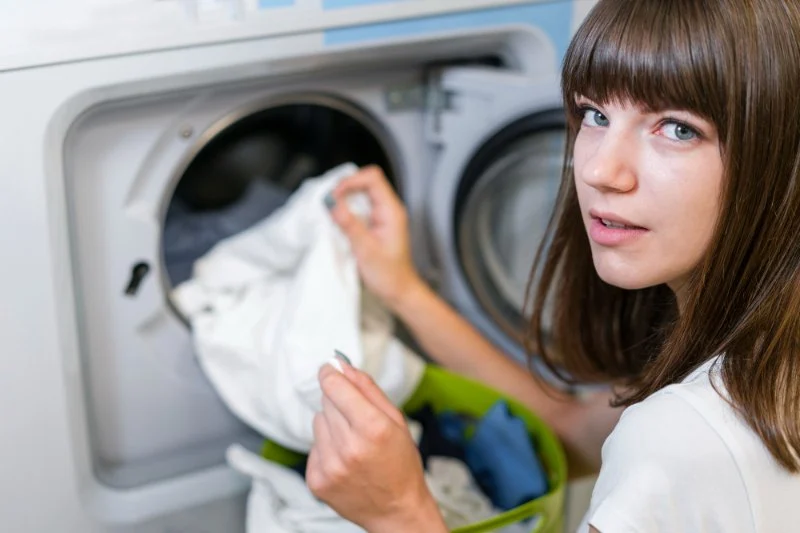
When Fresh Laundry Turns Sour: What’s Really Happening Inside Your Washer and Clothes
- -why-wet-laundry-starts-to-smell Why wet laundry starts to smell worse after sitting too long inside the washing machine or basket
- -bacteria-and-mildew-growth-in-fabric Bacteria and mildew growth in damp fabrics and how they create persistent odor problems
- -washing-machine-hygiene-and-hidden-issues Washing machine hygiene problems that contribute to lingering laundry smells
- -common-laundry-mistakes-that-cause-odor Common laundry mistakes that make clothes smell worse instead of fresh
- -real-life-household-experiences-with-smelly-laundry Real household experiences and surprising laundry odor stories from everyday users
- -how-to-fix-smelly-laundry-and-prevent-recurrence How to fix smelly laundry and prevent odor from coming back permanently
- -best-drying-and-storage-practices-for-fresh-clothes Best drying and storage practices to keep clothes fresh longer
- -when-to-deep-clean-your-washing-machine When and how to deep clean your washing machine for long-term odor control
Why wet laundry starts to smell worse after sitting too long inside the washing machine or basket
If you’ve ever asked yourself Why Does My Laundry Smell Worse After Sitting Too Long, you’re not alone. It’s one of the most frustrating household issues, especially when clothes come out of the wash smelling worse than before. The truth is, moisture and time create the perfect environment for bacterial growth.
The science behind the sour smell
When wet clothes sit for too long, bacteria trapped in fabric fibers begin to multiply. These microorganisms feed on detergent residues, sweat, and organic particles, producing unpleasant odors that intensify over time.

Why timing matters more than detergent quality
Even the best detergent cannot prevent odor if clothes remain damp for hours. The delay between washing and drying is often the main trigger for musty smells.
Bacteria and mildew growth in damp fabrics and how they create persistent odor problems
Understanding Why Does My Laundry Smell Worse After Sitting Too Long requires looking at microbial growth. Damp fabrics act like a breeding ground for bacteria and mildew, especially in warm environments.
How mildew forms inside clothes
Mildew develops when moisture is trapped in fibers for extended periods. It spreads quickly in enclosed spaces like laundry baskets or closed washing machines.
A real apartment laundry mistake in New York
A renter in New York left a full load of laundry inside the washer overnight. By morning, the clothes had developed a strong sour odor that required multiple rewashes and vinegar treatments to remove completely.
Washing machine hygiene problems that contribute to lingering laundry smells
Sometimes the problem isn’t the clothes—it’s the machine itself. Residue buildup inside washing machines is a hidden cause of persistent odor.
Detergent residue and mold buildup
Over time, detergent and fabric softener can accumulate inside the drum, seals, and detergent tray, creating a breeding ground for bacteria.
Front-load washers and moisture retention
Front-load machines are especially prone to odor issues because rubber door seals trap moisture, allowing mold to grow if not cleaned regularly.
A real household discovery in Texas
A family in Texas noticed persistent laundry smell issues despite using multiple detergents. After inspection, they discovered mold buildup inside the rubber seal of their washer, which was the true source of the odor.
Common laundry mistakes that make clothes smell worse instead of fresh
Many people unknowingly contribute to laundry odor problems through small but impactful mistakes.
Overloading the washing machine
When the machine is overloaded, water and detergent cannot circulate properly, leaving clothes partially unwashed and prone to odor.
Leaving wet clothes unattended
Even a two-hour delay can significantly increase bacterial growth, especially in warm environments.
Using too much detergent
Excess detergent does not clean better—it leaves residue that feeds bacteria and creates lingering smells.
Many homeowners looking for practical home care solutions turn to platforms like
Real household experiences and surprising laundry odor stories from everyday users
Real experiences help illustrate how quickly laundry problems can escalate when small habits are overlooked.
A college dorm laundry issue in California
A student forgot a load of laundry in a shared dorm washer overnight. The entire load developed a strong mildew smell, requiring multiple washes and air drying in sunlight to recover.
A busy parent’s routine mistake
A parent in Chicago frequently left laundry in the washer due to multitasking. Over time, clothes developed a recurring odor problem that only stopped after changing laundry habits.
Why real-life cases matter
These stories show that laundry odor issues are rarely about a single mistake—they are usually the result of repeated small habits.
How to fix smelly laundry and prevent odor from coming back permanently
Once odor develops, it is important to treat both the clothes and the washing environment to fully eliminate the problem.
Rewashing with vinegar or baking soda
Adding natural odor removers can help break down bacteria and neutralize smell molecules in fabric.
Immediate drying after wash cycles
Transferring clothes to the dryer or hanging them immediately is one of the most effective prevention methods.
Improving airflow during drying
Good ventilation helps prevent moisture retention, which is essential for avoiding future odor buildup.
Best drying and storage practices to keep clothes fresh longer
Proper drying and storage techniques play a major role in maintaining freshness and preventing recurring smells.
Sun drying benefits
Sunlight naturally kills bacteria and helps eliminate odor more effectively than indoor drying in some cases.
Avoiding damp storage spaces
Closets or drawers with poor ventilation can reintroduce moisture into clean clothes, causing odor to return.
Using breathable storage methods
Cotton bags or ventilated containers help maintain airflow and reduce trapped humidity.
When and how to deep clean your washing machine for long-term odor control
Even with perfect laundry habits, machines still require regular maintenance to prevent odor buildup.
Monthly cleaning routines
Running a hot water cycle with cleaning agents helps remove residue and kill bacteria inside the drum.
Cleaning rubber seals and detergent trays
These areas are often overlooked but are primary locations for mold growth in washing machines.
A technician’s observation from Florida
A repair technician reported that most odor-related complaints were traced back to neglected machine seals rather than detergent issues.
Final practical insight for lasting freshness
Understanding Why Does My Laundry Smell Worse After Sitting Too Long is not just about fixing a smell—it’s about changing habits, improving machine hygiene, and preventing bacterial growth before it starts. Small adjustments in timing and maintenance can completely transform your laundry results.
For those looking to improve home care routines and discover better cleaning strategies,


 ^MY SHOES " wash & clean0.0 (0 reviews)
 RAPID Laundromat (Pvt) Ltd5.0 (73 reviews)
 Colombo Cleaners4.0 (18 reviews)
 University Laundry0.0 (0 reviews)
 Super Clean Laundry Services4.0 (48 reviews)
 Seya Laundry Mart5.0 (1 reviews)
 Why Your Laundry Might Be Too Heavy and How to Fix It | Laundry Tips
 What's the Difference Between Hand Wash and Machine Wash?
 What Should You Do When Clothes Smell Like Sweat After Washing: Effective Solutions
 Should You Use Fabric Softener on Towels? Explained for Better Care
 Why Clothes Lose Texture After Washing and How to Restore It
 How to Wash Hoodies Without Stretching the Fabric