
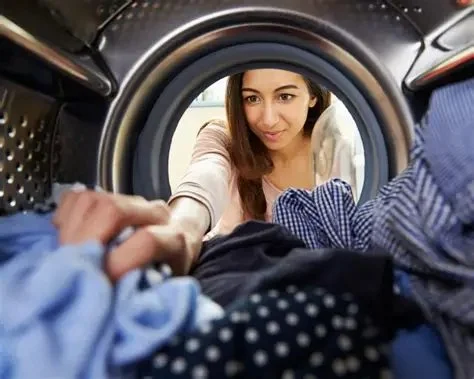
Why Your Favorite Clothes Don’t Feel the Same After Washing
- Fabric Structure Changes - How fibers react during washing #fabric-structure
- Water Temperature Effects - Heat and cold impact on textiles #water-temperature
- Detergent Chemistry - How cleaning agents alter softness #detergent-chemistry
- Machine Agitation Wear - Mechanical stress on fabrics #machine-agitation
- Drying Methods Impact - Air drying vs tumble drying effects #drying-impact
- Fiber Type Differences - Cotton, polyester, wool behavior #fiber-type
- Real-Life Clothing Case Story #case-story
- Care Mistakes Most People Make #care-mistakes
- How to Maintain Fabric Quality Long-Term #maintenance
- Smart Laundry Product Recommendations #laundry-products
Fabric Structure Changes - How Fibers React During Washing
Why washing is more physically stressful than it looks
Most people assume washing clothes is a gentle cleaning process, but in reality, every wash cycle is a combination of soaking, friction, spinning, and heat exposure. This is exactly why people often ask why do clothes feel different after every wash, even when they follow instructions carefully.
On a microscopic level, fabric fibers loosen, tighten, and shift position each time they are washed. This repeated movement gradually changes how the fabric feels against the skin.

LAUNDERETTE BY DOBI MASTER
605 William Gopallawa Mawatha, Kandy 20000, Sri Lanka
The invisible breakdown happening in your laundry cycle
Even if clothes look clean and intact, fiber alignment slowly changes over time. Cotton fibers may become more compact, while synthetic fibers may lose elasticity. This is not immediate damage, but a gradual transformation that affects comfort.
Thambuttegama Laundry
MeegalewaAnuradhapuraNorth Central Province
Pasal junction, kurigas wewa, Meegalewa 60750, Sri Lanka
Water Temperature Effects - Heat and Cold Impact on Textiles
How temperature silently reshapes clothing texture
Water temperature plays a major role in fabric behavior. Hot water tends to tighten fibers and can cause shrinkage, especially in natural materials like cotton and wool. Cold water, while gentler, may not fully remove oils and residues that build up over time.
This balance between cleanliness and fabric preservation is one of the most overlooked reasons clothing changes feel after repeated washing cycles.
Detergent Chemistry - How Cleaning Agents Alter Softness
The hidden chemical influence inside every wash
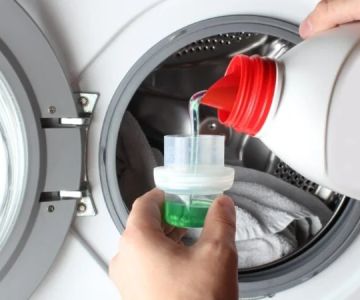
Detergents are designed to break down oils and stains, but they also interact with fabric fibers. Over time, residues can accumulate or strip natural softness from textiles.
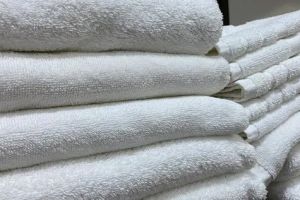
Many people notice towels becoming rough or shirts losing their smooth feel. This often happens because detergent usage is too high or not properly rinsed out during the cycle.
Fabric softener misconceptions
Fabric softeners are often seen as a solution, but they work by coating fibers rather than restoring them. This coating can temporarily improve feel but may reduce absorbency in fabrics like cotton towels.
Machine Agitation Wear - Mechanical Stress on Fabrics
Why spinning and tumbling matter more than you think
Washing machines create constant movement that forces fabrics to rub against each other. Over time, this friction weakens fibers and changes texture.
Delicate fabrics are especially vulnerable. Even if they survive multiple cycles without visible damage, the softness and elasticity may already be affected.
Drying Methods Impact - Air Drying vs Tumble Drying Effects
The drying stage that changes everything
Drying is often where the biggest texture changes occur. High heat from dryers can shrink fibers or make them feel stiff, while air drying may leave clothes feeling slightly rigid depending on humidity conditions.
Clothes that once felt soft and flexible may feel rough or tight simply because of repeated exposure to heat cycles.
Fiber Type Differences - Cotton, Polyester, Wool Behavior
Why material composition defines long-term comfort
Different fabrics respond differently to washing. Cotton tends to shrink and become denser over time. Polyester resists shrinkage but may lose softness due to surface wear. Wool requires delicate handling or it can felt and become stiff.
This explains why two identical-looking shirts can feel completely different after a few months of washing.
Real-Life Clothing Case Story
A common wardrobe frustration in everyday life
A working professional in Chicago shared an experience where his favorite cotton T-shirts gradually lost their softness after just a few months. Despite using the same detergent and washing settings, the texture changed noticeably.
After consulting a textile care specialist, he learned that overloading the washing machine and using warm water regularly were the main causes of fabric breakdown.
What this story teaches about laundry habits
Small habits in daily laundry routines can significantly impact clothing longevity. Even minor adjustments like reducing load size or switching to cold water can extend fabric life.
Care Mistakes Most People Make
Why good intentions still lead to fabric damage
One of the biggest mistakes is assuming that more detergent equals cleaner clothes. In reality, excess detergent can leave residues that make fabrics feel stiff or sticky.
Another common issue is mixing heavy fabrics like jeans with delicate shirts, increasing friction and accelerating wear.
How to Maintain Fabric Quality Long-Term
Simple adjustments that protect your wardrobe
Using cold water cycles, avoiding over-drying, and separating fabrics by type can significantly improve clothing lifespan. Turning clothes inside out before washing also reduces surface abrasion.
These small habits directly address the question of why do clothes feel different after every wash by slowing down fiber degradation.
Smart Laundry Product Recommendations
Choosing tools that actually protect fabric texture
Modern laundry products are designed to reduce friction and preserve fiber structure. Mesh laundry bags, gentle detergents, and low-heat drying settings all contribute to maintaining original fabric feel.
For readers looking to better understand fabric care solutions and find reliable laundry care essentials, exploring curated recommendations from
Understanding fabric behavior is not just about cleaning clothes—it’s about preserving comfort, texture, and the emotional connection we build with our favorite wardrobe pieces over time.



 LAUNDERETTE BY DOBI MASTER4.0 (371 reviews)
 Sigiri Super Shine Laundry5.0 (6 reviews)
 Kleen Laundry5.0 (74 reviews)
 Home stay laundry4.0 (10 reviews)
 Dream Laundry4.0 (7 reviews)
 ECO Clean Laundry Service & Tuk Tuk service Nilaveli4.0 (56 reviews)
 How to Remove Tomato Sauce Stains From Kids’ Clothes
 Why Do Clothes Feel Rough After Repeated Washing
 How to Wash Denim Jackets Without Shrinking
 Laundry Not Working the Way You Expect? Here's Why
 How to Wash Wool Sweaters to Keep Them Soft and Fluffy
 Improve Your Laundry Room's Airflow for Better Efficiency and Comfort