
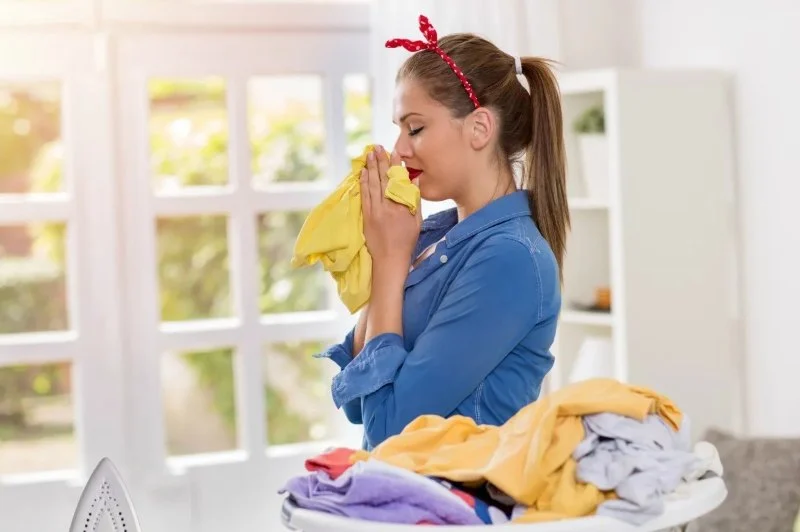
Why Your Clothes Don’t Smell Fresh After Drying—and What’s Really Going On
- clothes-smell-bad-after-drying - understanding hidden causes behind persistent odors
- musty-laundry-smell - why moisture and bacteria play a bigger role than expected
- laundry-odor-causes - common mistakes in washing and drying routines
- fix-smelly-clothes-after-washing - practical solutions for fresher results
- washing-machine-odor-issues - how your machine might be part of the problem
- prevent-clothes-from-smelling-bad - long-term habits for clean laundry
- laundry-drying-problems-solutions - improving airflow and drying efficiency
Why Clothes Smell Bad After Drying Even When They Seem Clean
Many people in the U.S. have experienced this frustrating situation: clothes come out of the washing machine looking clean, but after drying, they develop a strange musty or sour smell. This issue, often described as clothes smell bad after drying, is more common than most realize and usually has nothing to do with detergent quality alone.
The truth is that laundry odor is often caused by a combination of moisture retention, bacterial growth, and washing machine residue. Even if clothes appear clean, microscopic bacteria can remain in fabric fibers and multiply when conditions are warm and damp.
FASHION DRY CLEAN - LAUNDRY MART
176 Ambagamuwa Road, Gampola 20500, Sri Lanka
How Moisture Becomes the Hidden Problem
One of the most overlooked causes of musty laundry smell is trapped moisture. When clothes are not dried quickly or evenly, damp areas become a breeding ground for bacteria. This is especially common in humid climates or when laundry is left sitting in the washer after the cycle ends.
A homeowner in Florida shared a relatable experience: during summer months, clothes left in the washer for just a few hours developed a strong odor that no amount of rewashing could immediately fix. The issue wasn’t detergent—it was delayed drying combined with high humidity.

LAUNDERETTE BY DOBI MASTER
605 William Gopallawa Mawatha, Kandy 20000, Sri Lanka
How Washing Machine Odor Issues Contribute to the Problem
Many people don’t realize that washing machines themselves can be a major source of laundry odor causes. Over time, detergent residue, fabric softener buildup, and trapped lint create a hidden environment where bacteria thrive.
Front-loading machines are especially prone to this issue because of their rubber door seals, which can trap moisture and debris. When the machine is not cleaned regularly, it can transfer odors directly onto freshly washed clothes.
Why Clean Clothes Sometimes Come Out Smelling Worse
It may seem counterintuitive, but a dirty washing machine can make clothes smell worse after washing than before. This happens when bacteria inside the drum mix with warm water and detergent residue, creating an odor that clings to fabrics.
A widely shared case on social media involved a family who noticed persistent odor in towels despite using high-quality detergent. After professional inspection, the issue was traced back to mold buildup inside the washer’s drainage system.
Common Laundry Mistakes That Lead to Odor Problems
Many everyday habits unintentionally contribute to clothes smell bad after drying issues. One of the most common mistakes is overloading the washing machine. When clothes are packed too tightly, water and detergent cannot circulate properly, leaving behind residue.
Another frequent issue is using too much detergent. While it seems like more soap equals cleaner clothes, excess detergent often leaves a film on fabrics that traps odors instead of removing them.
Why Leaving Clothes in the Washer Is a Big Mistake
Even a short delay after the wash cycle can create odor problems. Damp clothes sitting in a closed drum quickly develop bacteria growth, especially in warm environments. This is one of the fastest ways musty laundry smell develops.
A college student in New York described repeatedly rewashing clothes because she forgot them in the washer overnight. After switching to a reminder system and immediate drying routine, the problem disappeared completely.
How Drying Methods Affect Freshness and Smell
Drying plays a critical role in whether clothes stay fresh or develop odors. Poor airflow, slow drying times, and overcrowded drying racks can all contribute to laundry drying problems solutions becoming necessary.
Clothes that take too long to dry—especially thick fabrics like towels and hoodies—are more likely to retain moisture in the fibers, which leads to bacterial growth and odor development.
Indoor Drying vs Outdoor Drying
Indoor drying is convenient but can sometimes trap humidity in enclosed spaces. Without proper ventilation, moisture lingers in fabrics longer than it should. Outdoor drying, on the other hand, exposes clothes to natural airflow and sunlight, both of which help reduce bacteria.
However, in urban apartments where outdoor drying isn’t possible, using fans or dehumidifiers can significantly improve results and prevent clothes from smelling bad after washing.
Real-Life Case: Why Towels Often Smell Worse Than Other Clothes
One of the most common complaints in households is that towels develop odor faster than other laundry items. This happens because towels absorb more moisture and take longer to dry completely.
A family in California reported that their bath towels consistently developed a sour smell within days of washing. After investigation, they discovered that towels were being folded and stored while still slightly damp, creating ideal conditions for bacterial growth.
How Small Changes Eliminated the Problem
By switching to thinner towel rotation, increasing drying time, and ensuring full ventilation before storage, the odor problem was completely resolved. This shows how small behavioral changes can fix persistent laundry odor causes without expensive solutions.
How to Fix Smelly Clothes After Washing Effectively
Fixing odor issues requires both immediate action and long-term habit changes. One effective method is rewashing clothes with hot water and adding white vinegar, which helps break down residue and neutralize bacteria.
Another approach is deep-cleaning the washing machine itself. Running an empty hot cycle with cleaning agents can remove hidden buildup that contributes to odor transfer.
Why Natural Cleaning Solutions Work Well
White vinegar and baking soda are often recommended because they break down residue without damaging fabrics. They also help restore fabric freshness by eliminating odor-causing bacteria at the source.
Professional laundry experts often emphasize that chemical-heavy solutions are not always necessary for everyday odor issues, especially when proper washing habits are in place.
Preventing Clothes From Smelling Bad in the Future
Long-term prevention focuses on consistency and awareness. Simple habits like leaving the washing machine door open after use, cleaning detergent trays regularly, and avoiding overloading cycles can significantly reduce odor issues.
Another important factor is proper drying space. Ensuring airflow around hanging clothes helps eliminate trapped moisture and prevents musty laundry smell from forming in the first place.
Building a Reliable Laundry Routine
A consistent laundry routine helps eliminate guesswork. Washing smaller loads, drying clothes immediately, and maintaining machine hygiene are key steps that ensure freshness every time.
A homeowner in Texas shared that once they adopted a structured laundry schedule, odor issues disappeared entirely—even during humid summer months.
When Professional Products Make a Difference
Sometimes, persistent odor issues require specialized laundry solutions. High-efficiency detergents, odor-eliminating boosters, and machine-cleaning tablets can improve results significantly.
Platforms like Reliable Damage Hub provide insights into effective household maintenance products and cleaning solutions designed to prevent recurring laundry odor causes and improve long-term fabric freshness.
Choosing the Right Laundry Support Tools
The right tools can make everyday laundry easier and more reliable. From moisture control products to advanced detergent formulas, investing in quality solutions often reduces long-term frustration and improves clothing longevity.
Final Perspective on Keeping Clothes Fresh After Drying
Clothes that smell bad after drying are not just a laundry inconvenience—they are a sign of underlying issues in washing, drying, or machine maintenance. Understanding the root causes helps create a more effective laundry routine that consistently delivers fresh results.
By improving habits, maintaining equipment, and using proper drying techniques, anyone can eliminate persistent odor issues and enjoy consistently clean, fresh-smelling clothes every time.


 Vishlight detergent5.0 (1 reviews)
 RAPID Laundromat (Pvt) Ltd5.0 (73 reviews)
 Kunam Loundry service5.0 (3 reviews)
 Queens Laundry3.0 (20 reviews)
 Super Clean Laundry Services4.0 (48 reviews)
 Hiru(හිරු) Laundry Sigiriya5.0 (3 reviews)
 Laundry Not Working the Way You Expect? Here's Why
 Clever Hacks for Washing Baby Clothes Safely
 Clothes Smell Strange? How to Identify and Fix the Issue
 What’s the Best Way to Sort Laundry to Avoid Color Bleeding
 How to Get Ink Stains Out of Clothes Without Bleach
 Why Your Laundry Might Be Too Heavy and How to Fix It | Laundry Tips