
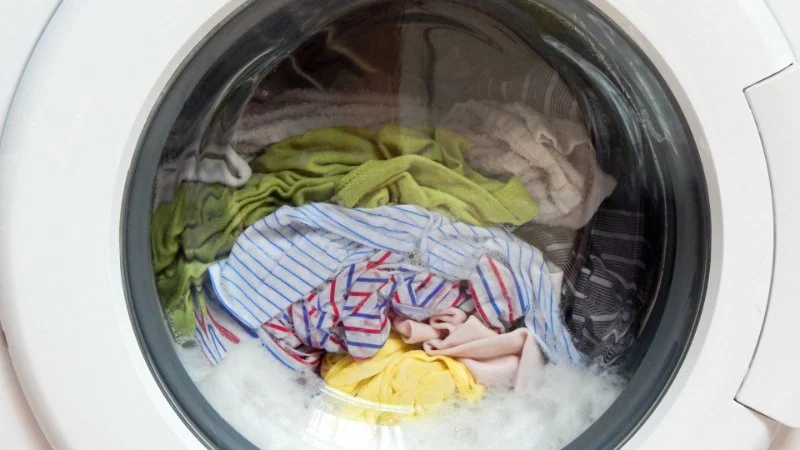
When Your Clothes Come Out Soggy: Understanding Spin Cycle Problems
- spin-cycle-basics - how washing machine spinning is supposed to remove water
- common-causes-wet-laundry - why clothes stay too wet after spinning
- real-life-washer-stories - everyday household experiences with spin issues
- fixing-spin-problems - practical steps to improve drying performance
- preventive-maintenance-tips - keeping your washer efficient long-term
Why Your Laundry Might Be Too Wet After Spin
If you’ve ever opened your washing machine expecting freshly spun, almost-dry clothes only to find heavy, dripping fabric, you’re not alone. The issue of your laundry might be too wet after spin is one of the most common frustrations in household appliance use. It doesn’t always mean your machine is broken—sometimes it’s a small imbalance, overload, or drainage issue that builds up quietly over time.
A homeowner in Chicago once shared that her washer suddenly started leaving towels soaking wet after every cycle. After weeks of frustration, she discovered the problem was simply a clogged drain filter caused by loose change and lint buildup. A five-minute fix solved what felt like a major appliance failure.

ECO Clean Laundry Service & Tuk Tuk service Nilaveli
NilaveliTrincomaleeEastern Province
Fathah road, Nilaveli 31010, Sri Lanka
How the Spin Cycle Is Supposed to Work
The Physics Behind Water Extraction
The spin cycle works by rotating the drum at high speed, using centrifugal force to push water out of clothing. Ideally, modern machines remove up to 70–90% of water before drying begins.

Why Balance Matters So Much
If clothes are unevenly distributed, the drum cannot spin efficiently. This leads directly to washing machine not spinning dry issues, leaving garments heavy and damp.
Real User Experience
A renter in New York noticed her machine worked perfectly for small loads but left large bedding items soaking wet. The problem? The drum was consistently unbalanced during heavier loads.
Most Common Reasons Clothes Stay Too Wet After Spin Cycle
Overloading the Machine
One of the biggest causes of wet clothes after spin cycle is simply putting too many items in the drum. When overloaded, the washer cannot rotate properly.
Drainage Blockages
If water cannot exit the machine fast enough, clothes will remain saturated. Lint, coins, and debris are often hidden culprits.
Spin Speed Settings
Some cycles are designed for delicate fabrics and intentionally use slower spins, which can leave more moisture behind than expected.
Real Household Story
A family in Texas believed their machine was broken until they realized they were constantly using the “delicate wash” setting for all laundry types, dramatically reducing spin efficiency.
When the Washer Itself Becomes the Problem
Motor or Belt Issues
A worn-out belt or weak motor can reduce spin power, directly contributing to washer spin problems.
Faulty Lid or Door Switch
If the machine cannot detect a secure closure, it may not enter full spin mode for safety reasons.
Sensor Malfunctions
Modern washers rely on sensors to detect load balance and water levels. When these fail, spin cycles become inconsistent.
Real Repair Case
A repair technician in Los Angeles reported that nearly 30% of service calls related to poor spinning were caused by a single faulty lid switch costing less than a typical repair visit.
How to Fix Washing Machine Spin Problems at Home
Redistribute the Load
Pause the cycle and manually spread clothing evenly around the drum. This simple step often restores proper spinning.
Clean the Drain Filter
A clogged filter is one of the most overlooked causes of laundry not draining properly. Regular cleaning can prevent repeated issues.
Check Spin Settings
Always ensure you are using appropriate spin speeds for the fabric type. Towels and jeans require stronger spins than delicate fabrics.
Practical Home Tip
Households that perform monthly filter cleaning report significantly fewer spin-cycle failures and shorter drying times overall.
Preventing Wet Laundry Issues in the Future
Regular Maintenance Routine
Keeping your washer clean inside and out ensures long-term performance and reduces the risk of recurring spin issues.
Proper Loading Habits
Avoid mixing extremely heavy and light items in the same cycle to maintain balance during spinning.
Monitoring Early Warning Signs
Unusual vibrations, longer cycles, or noisy spinning often indicate upcoming issues before full failure occurs.
Real-Life Insight: When Small Problems Become Big Ones
A homeowner in Seattle ignored slightly damp clothes for months, assuming it was normal. Eventually, the issue escalated into a motor strain problem that required full replacement. The lesson was simple: early attention to spin cycle issues prevents costly repairs.
Many appliance technicians agree that most washing machine problems begin small—slightly wet clothes, minor noise, or slow drainage—but grow worse when ignored.
What to Do When the Problem Keeps Coming Back
If you’ve tried basic fixes and your clothes still come out too wet, it may be time to consider deeper inspection or part replacement. In many cases, professional diagnosis can quickly identify whether the issue is mechanical, electrical, or maintenance-related.
For those looking to better understand washer performance, maintenance tools, and replacement parts, exploring trusted appliance resources can make a noticeable difference in long-term laundry efficiency.
When dealing with persistent your laundry might be too wet after spin issues, acting early helps prevent expensive repairs and keeps your laundry routine smooth, fast, and stress-free.




 Senanayaka2.0 (17 reviews)
 The laundry room2.0 (7 reviews)
 LAUNDERETTE BY DOBI MASTER4.0 (371 reviews)
 Dammi Laundry5.0 (14 reviews)
 Rajarata Washing Industries (Pvt) Ltd5.0 (3 reviews)
 Sea & shine Laundry4.0 (8 reviews)
 Clothes Smell Bad After Drying? Here's What to Do Next
 How to Remove Ink Stains From Synthetic Fabrics Easily
 What You Should Never Put in a Washing Machine
 Why Do Clothes Feel Sticky After Using Softener? Causes and Solutions
 How to Get Mustard Stains Out of Clothes at Home
 How to Remove Tomato Sauce Stains From Polyester Fabrics