
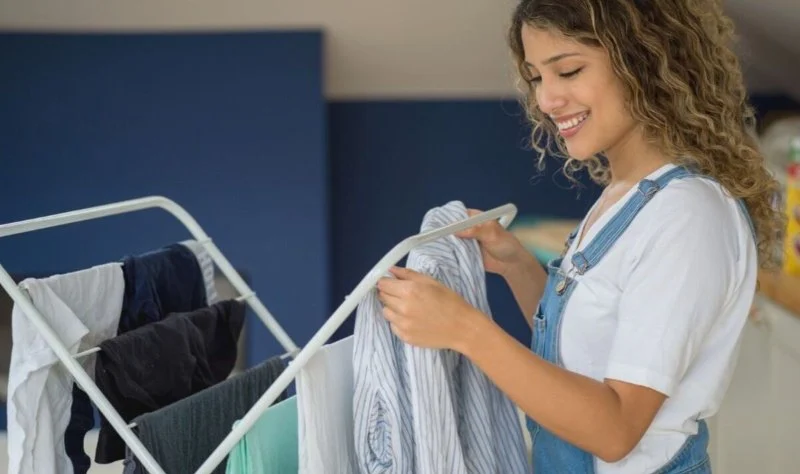
Why Clothes Still Feel Damp Even After a Full Wash Cycle
- understanding-the-hidden-problem-behind-damp-clothes-drying-issues
- common-laundry-mistakes-that-prevent-proper-drying-at-home
- airflow-humidity-and-space-factors-affecting-drying-performance
- real-home-scenarios-where-laundry-drying-fails-and-why
- step-by-step-improvements-for-better-clothes-drying-results
- tools-and-upgrades-that-help-fix-your-laundry-drying-problems
When Clean Clothes Still Don’t Feel Clean: The Hidden Drying Problem
Most people assume laundry is simple: wash, dry, fold, done. But if you’ve ever pulled clothes out of the machine only to find they still feel slightly damp hours later, you’ve experienced what many households quietly struggle with—Your Laundry Might Be Missing Proper Drying.
This isn’t just an inconvenience. Poor drying can lead to musty smells, fabric damage, and even bacteria buildup. The surprising part is that the problem often has nothing to do with the washing machine itself. Instead, it’s about what happens after the wash cycle ends.
In many homes, especially apartments or small spaces, drying conditions are often overlooked. Clothes are hung too close together, airflow is limited, or humidity builds up indoors. Over time, these small issues stack up and create a consistent drying failure pattern that feels frustratingly random.
Why Clothes Stay Damp Longer Than Expected
One of the most common laundry drying mistakes is assuming that “drying time” is fixed. In reality, drying depends on multiple environmental factors working together.
Humidity plays a major role. In high-moisture environments, even well-spun clothes can take hours longer to dry. This is especially noticeable during rainy seasons or in tightly sealed homes where air circulation is limited.
Another overlooked factor is load density. When too many items are placed together on a rack or in a dryer, airflow gets blocked. Instead of drying evenly, clothes trap moisture between layers.
Many households also underestimate how fabric type affects drying. Thick cotton towels or denim retain water much longer than synthetic fabrics, creating uneven drying patterns across a single laundry load.
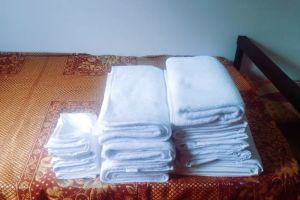
A Real-Life Example: The “Always Damp Towel” Problem
A common situation happens in shared apartments. One renter shared that no matter how long they left their towels on the rack, they always smelled slightly damp by the next day. At first, they blamed the washing machine. Later, they realized the issue wasn’t washing—it was placement.
The towels were hung too close to a wall, restricting airflow on one side. Additionally, the bathroom had poor ventilation, trapping humidity inside. Once the towels were moved to a more open area with better air circulation, the problem disappeared completely.
This kind of experience highlights an important truth: your laundry might be missing proper drying not because of cleaning issues, but because of environment design.
Common Laundry Mistakes That Quietly Cause Drying Failure
Many people repeat the same habits without realizing they’re slowing down the drying process. One of the biggest mistakes is overloading drying racks or dryers. Even if everything “fits,” airflow becomes restricted and moisture stays trapped.
Another frequent issue is placing laundry in poorly ventilated rooms like closed bathrooms or storage corners. Without airflow movement, moisture has nowhere to escape.
Some households also skip proper spin cycles in washing machines. A weak spin leaves too much water in fabrics, significantly increasing drying time even under good conditions.
These small habits don’t seem important individually, but together they create a consistent pattern of slow, incomplete drying that affects everyday comfort.
How Airflow and Space Design Affect Drying Performance
Airflow is the invisible factor most people ignore. Clothes don’t just dry because they are exposed—they dry because air moves through them, carrying moisture away.
If clothes are placed in tight clusters or pushed against walls, airflow becomes blocked. Even a small improvement in spacing can dramatically change drying speed.
In some homes, simply moving drying racks closer to windows or fans can reduce drying time significantly. Cross-ventilation—air entering from one side and exiting from another—is especially effective.
This is why professional laundry setups often prioritize open layouts rather than compact arrangements. The principle is simple: air must move freely around fabric surfaces.
A Practical Home Adjustment That Makes a Big Difference
One household experiment involved changing only one factor: spacing between clothes. Instead of hanging items side-by-side, they left small gaps between each piece. The result was noticeable within a single laundry cycle.
Clothes dried faster, smelled fresher, and required less ironing. This small adjustment demonstrated that improving drying conditions doesn’t always require new equipment—sometimes it’s just smarter arrangement.
However, in more challenging environments like humid climates or small apartments, additional support tools such as dehumidifiers or drying fans can significantly improve results. Many homeowners discover these upgrades after repeated frustration with slow-drying laundry.
Improving Laundry Drying Efficiency at Home
To address Your Laundry Might Be Missing Proper Drying, it helps to think in layers: moisture removal, airflow improvement, and space optimization.
First, ensure the washing machine completes a strong spin cycle. This reduces initial moisture load. Next, prioritize spacing when hanging clothes. Even slight separation between garments improves airflow dramatically.
Finally, consider environmental support. Fans, open windows, or humidity control devices can transform drying performance, especially in enclosed spaces.
Many households exploring better laundry setups also look into practical home improvement resources like Plumbers Supply Hub, especially when humidity or drainage issues contribute indirectly to poor drying conditions.
When Small Laundry Changes Create Noticeable Lifestyle Improvements
Better drying isn’t just about convenience—it affects how clothes feel, how long they last, and even how fresh your home smells. Once drying becomes consistent, laundry stops feeling like a chore that drags on for days.
People often report that after fixing airflow and spacing issues, they do fewer rewashes, use less detergent, and experience fewer fabric odors. These improvements may seem small individually, but together they significantly improve daily routines.
If you’ve been struggling with damp clothing or slow drying cycles, it’s worth reassessing your setup. In many cases, the issue is not the machine—it’s the environment surrounding it.
For more home efficiency insights and practical laundry improvement ideas, exploring solutions that address Your Laundry Might Be Missing Proper Drying can help you create a cleaner, faster, and more reliable system. Understanding the root cause is the first step toward eliminating the frustration for good.


 Spin & Dry Laundry4.0 (12 reviews)
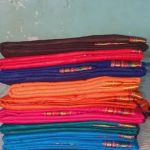 Home stay laundry4.0 (10 reviews)
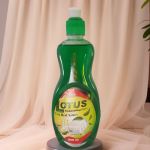 LOTUS LAUNDRY CHEMICALS5.0 (1 reviews)
 Red Rose Washing Hub🌹5.0 (4 reviews)
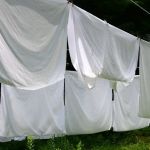 Laundry4.0 (20 reviews)
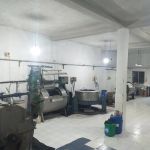 Senkadagala Washing Plant (pvt)Ltd.4.0 (12 reviews)
 Why Your Towels Never Feel Soft Anymore: Causes and Solutions
 How to Wash Gym Clothes to Remove Sweat and Odor Forever
 How to Remove Red Wine Stains From Dark Fabrics: Expert Tips and Tricks
 Expert Advice on Washing Cotton Shirts Without Shrinking
 Laundry Mistakes You Didn't Realize You're Making and How to Fix Them
 Easy Solutions to Common Laundry Problems