
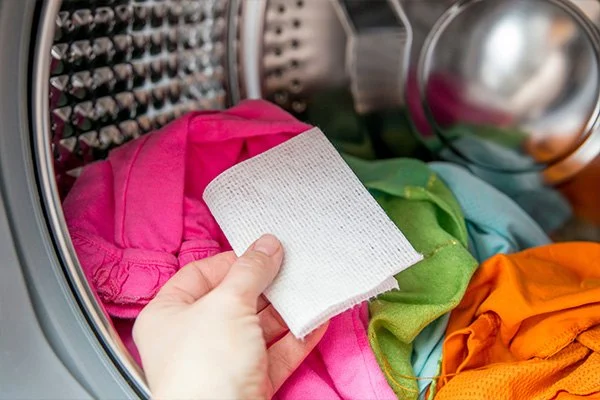
Why Your Favorite Clothes Lose Their Color So Fast (And How to Stop It)
- laundry-mistakes-that-cause-fading - Common habits that quietly destroy fabric color
- water-temperature-impact - How heat and cold change dye stability
- detergent-choices-matter - Why your cleaning products may be the problem
- drying-and-sun-exposure - The overlooked reason clothes fade outdoors
- fabric-care-habits-that-work - Simple changes that keep colors rich longer
When “New Clothes” Stop Looking New Too Quickly
Most people don’t notice the problem until it’s too late. A shirt that looked deep navy in the store turns patchy after a few washes. A black hoodie slowly shifts to dull gray. It feels like bad quality, but in many cases, the issue isn’t the clothing itself—it’s the routine used to clean it.
The truth is that fabric dyes are sensitive systems. Once they’re exposed to heat, friction, harsh detergents, and sunlight all at once, they begin to break down. That’s why understanding everyday laundry habits is essential if you want to prevent fading.
The Hidden Role of Washing Habits in Color Loss
Why Clothes Fade Even When They’re “Well Made”
Many modern fabrics are dyed using chemical bonds designed to last, but those bonds aren’t indestructible. Aggressive washing cycles, especially with hot water, loosen dye molecules over time. It’s not dramatic at first—just a slight dullness. But after ten or twenty washes, the difference becomes obvious.
One common mistake is assuming that “cleaner means hotter.” In reality, warm or hot water often speeds up color breakdown. Cold water, on the other hand, helps preserve dye stability for much longer.
Detergent Choices That Quietly Damage Color
Not all detergents are designed with color preservation in mind. Some formulas prioritize stain removal through strong surfactants and bleaching agents. While effective on dirt, they can be harsh on dyed fibers.
A better approach is using color-safe detergents and avoiding overuse. More detergent doesn’t mean cleaner clothes—it often leads to residue buildup that makes fabric look dull over time.
Water Temperature: The Overlooked Factor
One of the most underestimated causes of fading is water temperature. Hot water opens up fabric fibers, which allows dyes to escape more easily. This is especially noticeable in cotton-based clothing, which tends to absorb and release dye quickly under heat stress.
A real example comes from a small café owner in Portland who noticed her branded black t-shirts turning gray within months. After reviewing her laundry routine, she realized all staff uniforms were washed on hot cycles “for hygiene.” Switching to cold washes immediately slowed the fading process and preserved the brand identity of the clothing.
Drying Methods That Make or Break Fabric Color
Sunlight Isn’t Always Your Friend
While sunlight is great for drying clothes quickly, it also contains ultraviolet rays that break down dye molecules. This is why bright fabrics left outside for too long often lose intensity unevenly.
Air drying in shaded areas is a safer alternative for maintaining long-term color quality. Machine drying on high heat also contributes to gradual fading, especially for synthetic blends.
The Friction Problem You Didn’t Think About
Dryers don’t just use heat—they also tumble clothes against each other. This friction slowly wears down surface fibers where dyes are most concentrated. Over time, this creates that “worn out” look even if the garment is structurally fine.
Sorting Clothes the Right Way Changes Everything
Mixing heavy denim with lightweight cotton or washing darks with lighter shades may seem harmless, but it creates friction imbalance in the wash cycle. Heavier fabrics can physically rub against softer ones, accelerating dye loss.
Separating laundry by fabric type and color intensity is one of the simplest yet most effective ways to extend clothing life. It’s not just about avoiding color transfer—it’s about reducing unnecessary wear.
Fabric Types React Differently (And Most People Don’t Realize It)
Cotton vs. Synthetic Fibers
Cotton absorbs dye deeply but releases it faster under heat. Polyester, on the other hand, holds color better but can fade unevenly if exposed to strong detergents. Blended fabrics behave unpredictably depending on the ratio.
Why Dark Clothes Are the First to Show Damage
Darker dyes contain more concentrated pigment, which means any loss is immediately visible. That’s why black jeans or navy shirts often show fading earlier than pastel-colored items.
Many clothing care specialists recommend turning dark clothes inside out before washing. This reduces direct friction on the dyed outer surface.
A Small Change That Saved an Entire Wardrobe
A homeowner in Chicago once shared how she kept replacing black leggings every few months because they kept fading. After switching to cold washes, mild detergent, and air drying in shade, her newer pairs lasted over a year with minimal color loss.
This kind of improvement isn’t rare—it’s simply the result of understanding how fabric chemistry interacts with everyday habits.
When to Pay Attention and Upgrade Your Care Routine
If clothes are losing color faster than expected, it’s usually a sign that at least one part of your laundry routine needs adjustment. It could be temperature, detergent, drying method, or sorting habits. The good news is that none of these require expensive changes—just awareness and consistency.
For people who want deeper fabric care guidance or professional-grade solutions for maintaining wardrobe quality, platforms like Clothing Care Hub offer curated tools and tips designed to extend garment life significantly.
Final Thought Before You Wash Your Next Load
Clothing fading isn’t just bad luck—it’s the result of small, repeated actions that add up over time. Once those habits are adjusted, the difference in color retention becomes noticeable almost immediately. Your clothes don’t need to look worn out after a few washes. With the right approach, they can stay vibrant far longer than you might expect.


 Laundry Wash & Dry5.0 (2 reviews)
 Srimal electrical5.0 (1 reviews)
 Kishanthy Laundry3.0 (3 reviews)
 ^MY SHOES " wash & clean0.0 (0 reviews)
 LOTUS LAUNDRY CHEMICALS5.0 (1 reviews)
 Sigiri Super Clean Laundry (Pvt) Ltd4.0 (477 reviews)
 Tips for Washing Cotton Towels So They Stay Soft
 Smart Laundry Tips for Small Apartments That Actually Work in 2026
 Improve Your Laundry Room's Airflow for Better Efficiency and Comfort
 How to Remove Tomato Ketchup Stains From White Shirts
 How to Wash Gym Clothes to Remove Sweat and Odor Forever
 Why Clothes Feel Hard After Washing & Easy Fixes That Actually Work