
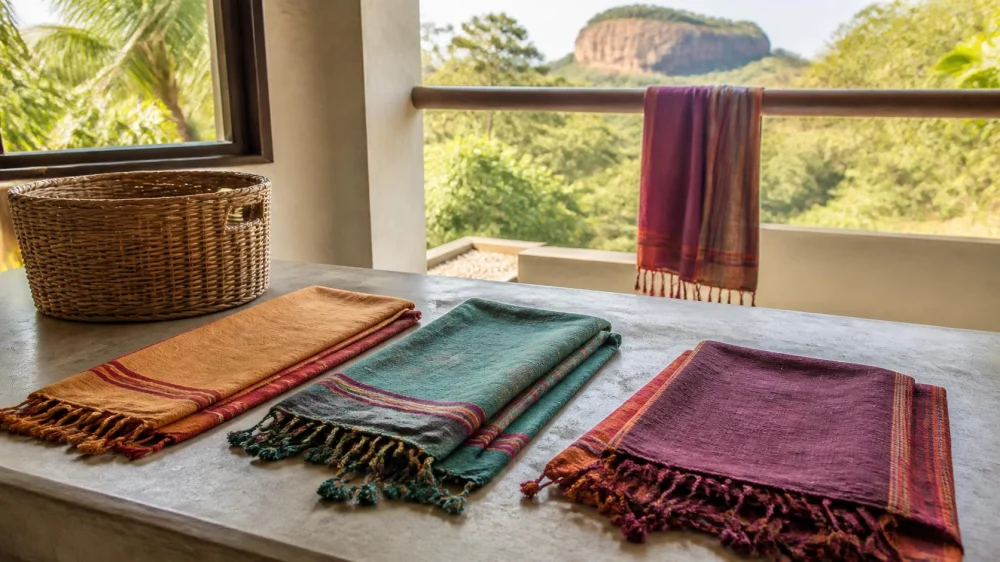
Sarong Laundry in Sigiriya: Color, Fringe, and Drying
Table of contents
Quick answer: Before washing a sarong in Sigiriya, identify its fibre and follow any care instructions. Test uncertain colours, separate it from pale clothing, protect fringe and decorations, and avoid unapproved heat or bleach. When using a laundry service, agree on washing, drying, pressing, price, and pickup time, then confirm the sarong is completely dry before packing.
Nilaveli Laundry Service
NilaveliTrincomaleeEastern Province
Al-Fathah Road, Ward 01, Nilaveli 31010, Sri Lanka
Identify the fabric
Sarongs can be made from cotton, rayon or viscose, silk, synthetic fibres, blends, or handwoven materials. Similar-looking pieces may respond differently to water, agitation, detergent, and heat. Check for a sewn care label, packaging retained from purchase, or instructions from the seller.
If the fibre is unknown, treat the item conservatively and tell the laundry service that identification is uncertain. Decorative metallic yarn, embroidery, beads, prints, and hand-tied fringe can require additional care. Do not assume that a colourfast everyday cotton process suits a souvenir or artisan textile.
^MY SHOES " wash & clean
ATTHARAGALLAKandyCentral Province
No.46/1/B, MALPANA,KENGALLA (Location code: 7.309187,80.718413, ATTHARAGALLA 20828, Sri Lanka
Inspect before handoff
Lay the sarong flat in good light. Look for loose fringe, pulled threads, open seams, tiny tears, fading, dye transfer, stains, and fragile decorations. Photograph the front, back, edges, and existing flaws. Empty any hidden pocket and remove unattached pins, clips, belts, or accessories.
- Count every sarong and record its main colours.
- Point out oil, mud, sunscreen, food, or other known stains.
- Note any previous colour bleeding or shrinkage.
- Ask whether loose fringe should be gently secured for washing.
Do not cut tangled fringe or pull a loose thread. Isolate the area and ask how it will be handled.
Ask the laundry service
Show the actual garment rather than requesting a generic wash by weight. Ask whether it will be washed alone, with dark colours, or in a mixed load. Confirm water temperature, detergent type, hand or machine process, drying method, and whether pressing is included.
Request the total price and turnaround time before leaving the item. Some services price delicate handling, stain treatment, pressing, or express return separately. Obtain a receipt or written count that distinguishes similar pieces. Keep the pickup contact and deadline where you can access them offline.
Protect color and fringe
For uncertain colour, ask about a discreet colourfastness check before full washing. Dark red, purple, blue, and saturated prints can release dye, but colour alone does not predict the result. Separate an item that has bled previously.
Gentle handling reduces tangling and distortion. Fringe may benefit from a loose protective arrangement or mesh bag if the care instructions and service approve it. Avoid chlorine bleach, aggressive stain scrubbing, long soaking, and strong alkaline products unless the textile instructions specifically permit them. Treating one spot can create a pale ring or texture change.
Choose a drying method
Ask whether the sarong will be line-dried, laid flat, or machine-dried. Heat can shrink or distort some fibres, while harsh direct sun can fade colour. Heavy wet fabric hanging from a narrow point can stretch, and unsupported fringe can tangle in wind.
In humid weather, “not dripping” is not the same as fully dry. Feel seams, folded edges, fringe knots, and decorated areas. If the item remains cool or damp, allow more airflow before folding. Never seal damp fabric in luggage or a plastic bag.
Check before packing
At pickup, compare the item with your photos and receipt. Check colour, stains, dimensions, seams, fringe, decorations, smell, dryness, and pressing. Report a missing item, new mark, damage, or dampness before leaving when possible.
For travel, fold along natural lines and avoid tight compression until the garment is fully dry and cool. Keep it separated from light clothing if any colour transfer remains possible. Store in a breathable, clean area at your accommodation.
Limitations and cautions
No washing method can guarantee removal of every stain or prevent all change in an unknown textile. Old dye loss, sun fading, weakened fibres, and previous damage may become more visible after cleaning. Ask about risks before authorising treatment, and consider specialist textile care for valuable, antique, silk, heavily decorated, or sentimental pieces.
Frequently asked questions
Can a sarong go in a mixed laundry load?
Only when its care instructions, colourfastness, and fabric make that appropriate. An uncertain or previously bleeding sarong should be separated.
Should fringe be tied before washing?
Do not make tight knots. Ask whether a loose protective method or mesh bag suits the specific textile and equipment.
Can I pack the sarong immediately after pickup?
Inspect it first. In humid conditions, allow extra air time if seams, fringe, or folds feel damp or cool.
Next steps
- Identify fibre, care instructions, and decorations.
- Photograph condition, count items, and disclose stains.
- Confirm colour separation, washing, drying, pressing, and price.
- Inspect the sarong at pickup before accepting it.
- Pack only when every part is completely dry.


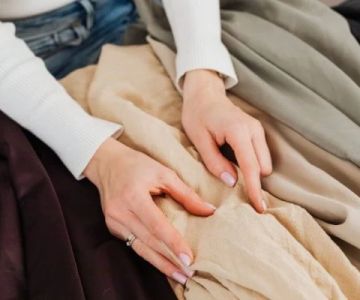


 Laundry NNSH0.0 (0 reviews)
 Kleen Laundry5.0 (74 reviews)
 Vishlight detergent5.0 (1 reviews)
 Wash Hub Professional Laundry Service4.0 (55 reviews)
 Jashvin’s Laundry Service4.0 (91 reviews)
 Nilaveli Laundry Service5.0 (5 reviews)
 How to Handle Red Mud Stains After a Sigiriya Outing
 Laundry Not Working as Expected? Check These Common Problems
 Laundry Not Turning Out Right? Fix Common Washing Machine Problems
 How to Treat Curry and Coconut Oil Stains on Clothes
 Laundry Doesn't Smell Fresh Enough? Causes and Easy Fixes That Actually Work
 Can You Use Less Detergent and Still Get Clean Clothes? Laundry Guide