

Fragrance-Sensitive Laundry in Sigiriya: What to Ask
On this page
Quick answer
If you are sensitive to laundry fragrance, tell the Sigiriya service exactly what must be avoided: scented detergent, fabric softener, dryer sheets, spray, starch, or perfume. Ask whether an unscented product is available, whether machines and baskets are shared, and whether an extra rinse is possible. Get the instructions written on the order, test with a small low-risk load, and check items before leaving.
Fragrance-sensitive laundry is washing and finishing arranged to reduce contact with added scent based on a person’s stated preference or health need. “Unscented,” “fragrance-free,” “hypoallergenic,” and “sensitive” are not interchangeable guarantees, especially in a shared commercial laundry.
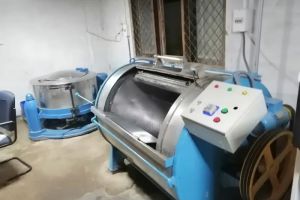
Describe the laundry need precisely
“No strong smell” can be interpreted differently by a traveller and a laundry worker. Before drop-off, write a short list of products and processes that matter.
Consider whether you need to avoid:
- Scented washing detergent or soap.
- Fabric softener or conditioner.
- Dryer sheets or fragranced dryer products.
- Starch, ironing spray, deodorising spray, or garment perfume.
- Bleach or a particular stain treatment for reasons separate from fragrance.
- Shared handling with heavily perfumed, oily, smoky, or chemically treated items.
Separate a personal preference from a medically important restriction. If previous exposure caused breathing difficulty, widespread hives, facial swelling, or another serious reaction, ask a healthcare professional for travel and emergency guidance rather than relying only on a laundry request.
Questions for a Sigiriya laundry service
- Which exact product will you use? Ask to see current packaging or ingredient information when available. A verbal category name may not identify added fragrance.
- Can you omit softener and finishing spray? Confirm each product separately; “unscented detergent” does not mean the full process is fragrance-free.
- Are machines shared? Previous detergent, softener, or dryer products may leave residue in dispensers, drums, filters, baskets, or folding areas.
- Can the machine and dispensers be prepared? Ask what the service can realistically clean or flush before the load. Do not request unsafe dismantling or chemical mixing.
- Is an extra rinse available? Confirm whether it suits the fabrics, how it affects price and turnaround, and whether the machine offers the option.
- May I provide my own product? The service may decline unfamiliar detergent because of machine, dosing, storage, or liability requirements. If accepted, provide sealed, clearly identified product and written dosing instructions.
- Can the load remain separate? Ask about washing, drying, baskets, folding surfaces, pressing, packaging, and transport—not only the washer.
- How will the instruction be recorded? Request a clear note on the ticket and confirm who will brief the person doing the work.
- What happens if the request cannot be met? Agree that the service should contact you before substituting a product or process.
Language differences can be managed with a short written instruction and a product photo that does not reveal private medical information. Ask the staff member to repeat the plan rather than assuming a nod means every detail is understood.
Prepare and hand over the items
- Check care labels. Separate items that cannot tolerate the planned washing, drying, rinsing, or pressing process.
- Start small. Use a limited load of ordinary washable clothing before sending essential medical garments, expensive items, or the entire travel wardrobe.
- Count and photograph items privately. Record condition and quantity without posting personal garments or service details publicly.
- Empty pockets and secure fasteners. Remove tissues, fragrance products, medication, valuables, and anything that could contaminate the load.
- Use a clean closable bag. Keep the fragrance-sensitive load separate from scented toiletries, insect repellent, incense, smoke, and used laundry from companions.
- Attach a simple instruction. For example: “No scented detergent. No softener. No dryer sheet. No spray. Please call before substitution.”
- Review the ticket. Confirm item count, product plan, extra rinse if ordered, separate handling limits, price, and collection time.
Do not place concentrated detergent directly against clothing in the bag. If the service accepts a personal product, keep it sealed, upright, and separate so staff can dose it safely.
Check the order at collection
Review the ticket with staff before opening all packaging. Count the pieces and check whether special instructions appear on the completed order.
In a ventilated location appropriate to your sensitivity, inspect one item:
- Notice added perfume or finishing spray without repeatedly inhaling the fabric at close range.
- Check for visible detergent, softener spotting, powder, stiffness, or unexpected coating.
- Confirm the item is fully dry and has not been packed damp.
- Look for damage, dye transfer, or a missing garment while still at the service.
- Ask which products and processes were actually used if the result differs from the order.
If fragrance is present, avoid wearing the item immediately. Ask the service what happened and whether a rewash using the agreed process is appropriate. A rewash may reduce residue but cannot guarantee complete removal from every fabric or shared machine.
If clothing causes symptoms
Stop wearing or handling the item when symptoms begin. Move to fresh air if fragrance affects breathing and avoid adding another scented product to mask the smell. Follow the person’s existing medical plan and seek local healthcare advice when needed.
Use emergency help for breathing difficulty, swelling of the face or throat, faintness, widespread severe hives, or another rapidly worsening reaction. Do not delay urgent care to argue with the laundry or determine the exact product.
For a mild skin concern, remove the clothing, avoid further exposure, and ask a qualified healthcare professional about appropriate care if symptoms persist or worsen. Keep the service ticket and product information for the discussion; do not apply unverified remedies or mix cleaners on the fabric while it is being worn.
Limitations and important notes
- This is general travel-laundry planning guidance, not a diagnosis, allergy test, or medical treatment plan.
- Shared commercial machines and workspaces cannot necessarily provide a zero-residue or zero-fragrance environment.
- Product names, formulas, availability, machine types, service practices, and language support vary among Sigiriya and Sri Lankan businesses.
- Extra rinsing may affect time, water use, price, fabric finish, and care-label compliance.
- Never ask staff to mix products, exceed machine instructions, use an unlabelled substance, or bypass workplace safety procedures.
Sources and evidence notes
The recommendations reflect broad consumer communication and textile-care practice: define the excluded products, consider the entire handling chain, record instructions, test a small load, follow care labels, and seek medical help for significant reactions. A shared laundry should describe its actual capabilities rather than promise a medically controlled environment.
Useful evidence includes the service ticket, current product packaging, a written instruction, item count, collection time, and a private note about any reaction. For medical decisions, use qualified healthcare guidance; for fabric decisions, use the garment label and product or machine instructions.
Frequently asked questions
Does unscented detergent contain no fragrance?
Not always. Terms and formulas vary. Ask to check the exact product information and remember that other finishing products or shared equipment can add scent.
Will an extra rinse remove all perfume?
It may reduce some residue, but it cannot guarantee complete removal, especially from absorbent fabrics or after contact with softener, spray, or shared machines.
Can a laundry use my detergent?
Ask first. The business may accept only products compatible with its equipment and dosing process. Provide an original labelled container rather than an unmarked travel bottle.
Should fragrance-sensitive clothes be washed by hand while travelling?
Hand-washing gives more control over products but still requires suitable water, rinsing, drying, and fabric care. It may not be practical for heavy, delicate, or urgent items.
What if staff cannot guarantee separate handling?
Decide whether the stated process is acceptable for your needs. For a serious restriction, choose another service, use a controlled personal method, or postpone the wash rather than relying on an unclear promise.
Next steps
Write a four-line instruction naming the detergent, softener, dryer product, and spray limits. Contact the Sigiriya laundry before drop-off, ask about shared machines and separate handling, and start with a small washable load. Keep the ticket, check one item before leaving, and seek medical guidance for any significant or worsening reaction.





 Rinse Laundry4.0 (11 reviews)
 Dammi Laundry5.0 (14 reviews)
 Kishanthy Laundry3.0 (3 reviews)
 The laundry room2.0 (7 reviews)
 Thambuttegama Laundry5.0 (2 reviews)
 LOTUS LAUNDRY CHEMICALS5.0 (1 reviews)
 How to Effectively Remove Coffee Stains from Wool Sweaters
 What's the Best Way to Maintain Clothes Quality Over Time
 Clever Hacks for Washing Cotton Towels Softly and Safely
 Why Are My Towels Not Absorbing Water Properly? Causes & Solutions
 How to Remove Rust Stains from Fabric Safely and Effectively
 Clothes Smell Bad After Drying? Causes and Fixes That Actually Work